
Last updated October 16, 2026
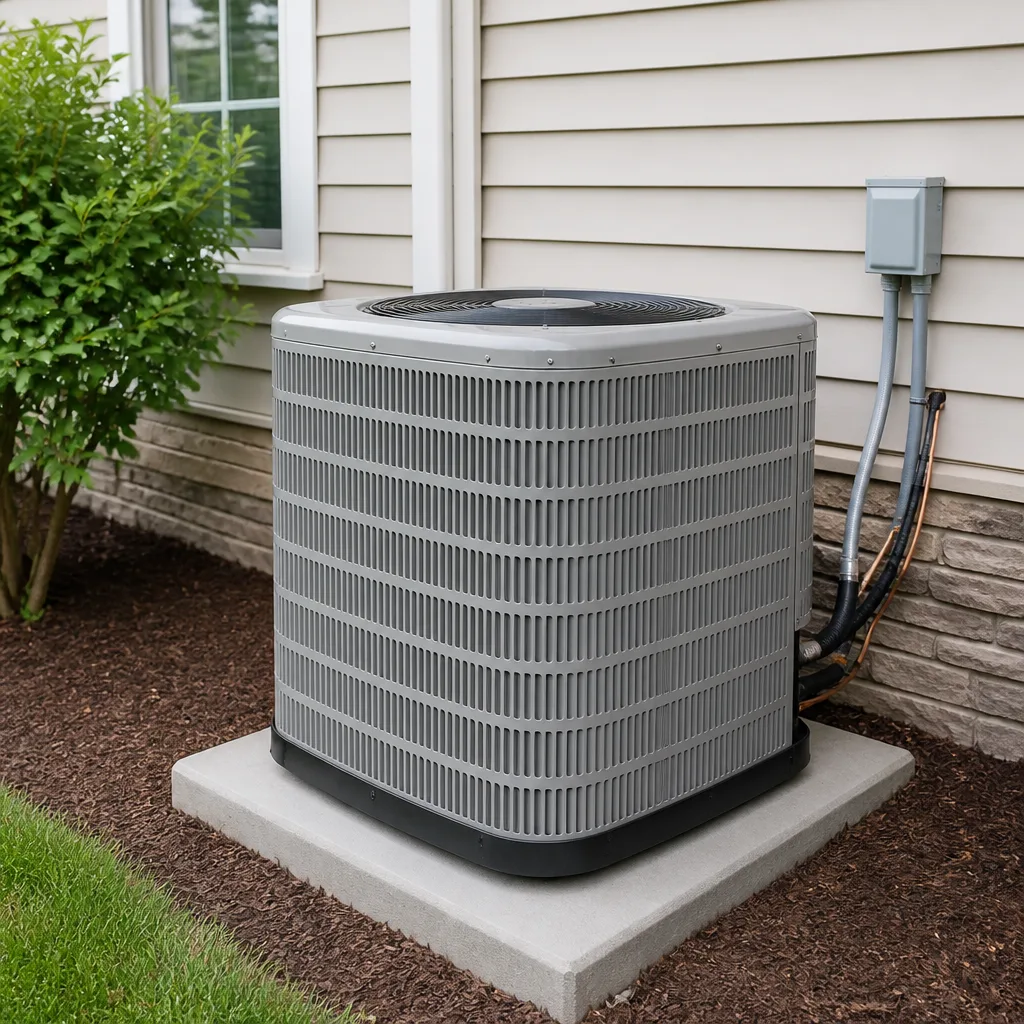 AC repair
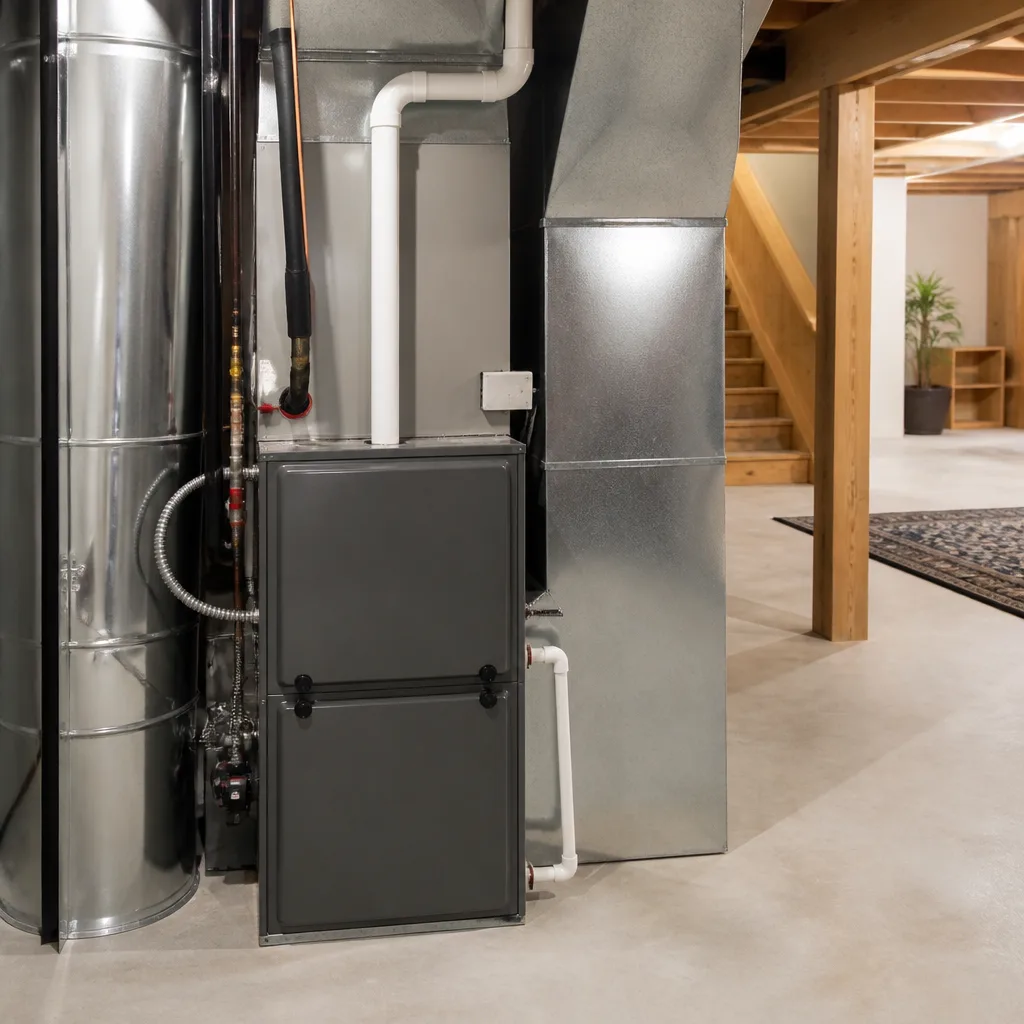 Furnace & heating
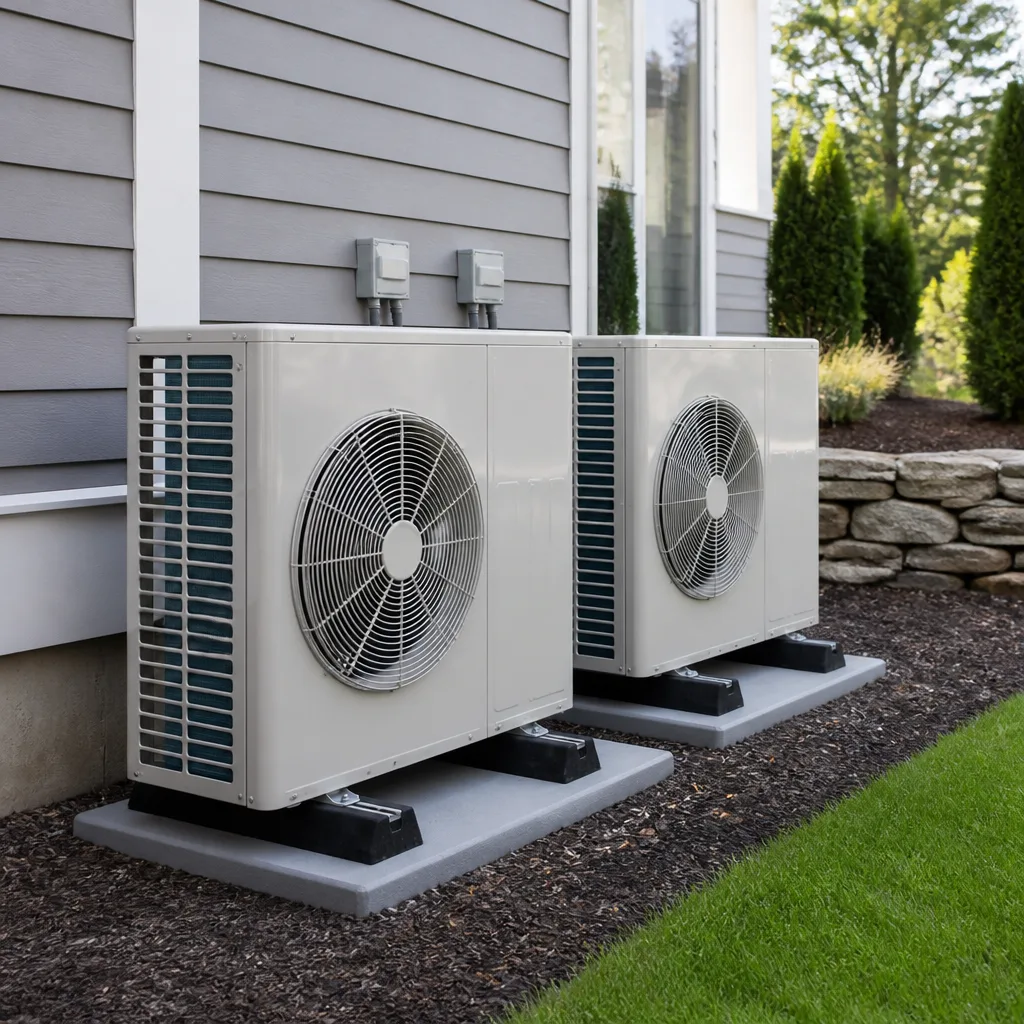 Heat pumps
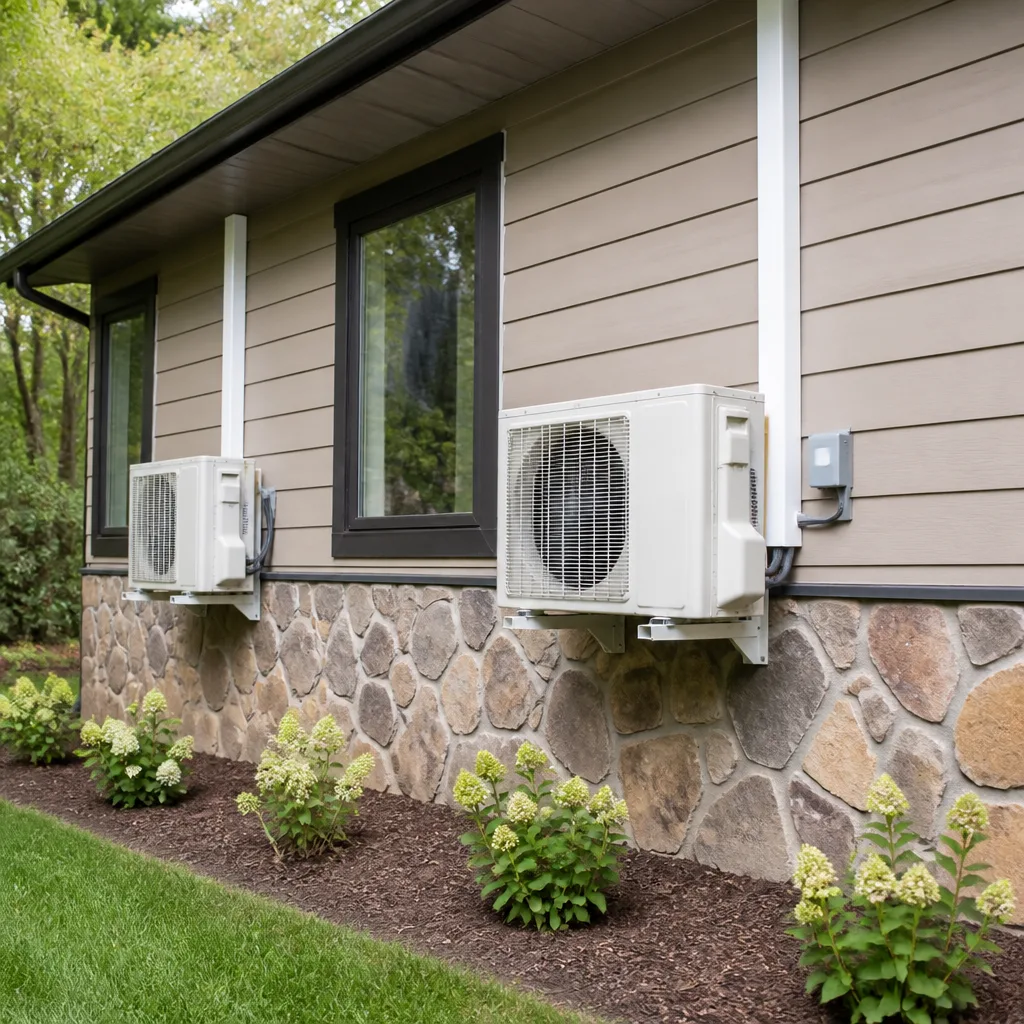 Ductless mini splits
 Carrier
 Trane
Trane Goodman
Seasonal tune-up and full diagnostic on your Carrier, Trane, or Goodman system - readings shown to you before any repair is proposed
Diagnosis first, numbers second - you approve the repair price before a single part goes in.
Get your free estimateDIY vs Professional HVAC: The Houston Homeowner’s Decision Guide
Replacing your own capacitor is legal, takes about 20 minutes, and costs roughly $18 in parts. Topping off your own refrigerant, on the other hand, carries a federal fine of up to $44,539 per day per violation. That gap between what a Houston homeowner can legally do and what the EPA, TDLR, and your manufacturer’s warranty actually permit is the entire ballgame. Most YouTube tutorials either bury that distinction in the comments or skip it entirely. This guide lays out the legal line, the warranty traps, and the honest cost math so you can decide with clear eyes which repairs belong in your hands and which belong in a licensed technician’s.
Quick Answer
In Houston, you can legally replace your own air filter, swap a thermostat, clear a clogged condensate drain line, and swap a capacitor if you know what you’re doing. You cannot legally touch refrigerant without an EPA 608 certification, and handling an electrical panel or gas line without a TDLR license puts you on the wrong side of Texas law and your homeowner’s insurance policy. The practical answer: do the cheap, reversible maintenance tasks yourself, but leave anything involving refrigerant, gas, or line-voltage electrical work to a licensed Houston HVAC professional. If you’re unsure where to start, our How to Hire a HVAC Contractor in Houston: A Step-by-Step Guide walks you through vetting and selecting the right pro.
Styles & brands we work with
Table of Contents
- The Legal Line: What Texas Actually Lets You Do
- The Warranty Trap Nobody Explains Until It’s Too Late
- The Honest Cost Comparison: Five Common Houston Repairs
- DIY Troubleshooting That’s Genuinely Worth Your Time
- When a $20 DIY Fix Turns Into a $900 Professional Repair
- Houston-Specific Factors That Change the Math
- The Tool Investment Nobody Budgets For
- Common Mistakes to Avoid
- When to Call a Professional
- Frequently Asked Questions
The Legal Line: What Texas Actually Lets You Do
Texas doesn’t require a homeowner to pull a permit to change their own air filter. That’s the easy end of the spectrum. The hard end is federal: the Clean Air Act requires anyone who handles refrigerant, in any amount, to hold an EPA Section 608 certification. That means adding R-410A or R-22 to a low system, recovering refrigerant before opening a line, or even recovering refrigerant from a system you’re scrapping is all illegal for an uncertified person. The fine, as of current EPA enforcement guidance, is up to $44,539 per violation per day. We mention that figure because most Houston homeowners hear it once and never look at a refrigerant gauge again.
Between the extremes sits Texas licensing law. The Texas Department of Licensing and Regulation (TDLR) requires a license for anyone performing HVAC work for compensation, but it also restricts certain work that touches gas lines, line-voltage electrical connections, and refrigerant circuits. A homeowner working on their own single-family residence has more latitude than an unlicensed handyman does. Here’s the practical breakdown for Houston:
- Legal for any Houston homeowner: air filter replacement, thermostat swap (battery or low-voltage wiring), condensate drain line clearing, capacitor replacement, contactor replacement, cleaning the outdoor condenser coil with water and a soft brush, replacing a blown fuse in the disconnect box.
- Legal but genuinely risky: replacing a flame sensor, cleaning a burn chamber, tightening electrical lugs, replacing a blower motor or inducer motor, swapping a circuit board. These are legal for a homeowner in Texas, but they involve either line voltage or gas-burning components where a mistake means fire or carbon monoxide, not just a broken air conditioner.
- Illegal without EPA 608 or TDLR licensure: anything involving the sealed refrigeration system: adding refrigerant, recovering refrigerant, replacing an evaporator coil, compressor, condenser coil, reversing valve, or line set. Also covered: gas line modifications, gas valve replacement, running new ductwork that requires code inspection.
If you’re in Katy, Cypress, or Sugar Land and wondering whether a specific task crosses a line, the practical test is straightforward: if the system needs to be opened to the atmosphere or if the task involves a gas line or a breaker box, call a licensed Houston HVAC company. The risk equation changes completely once failure mode shifts from “it doesn’t turn on” to “it doesn’t turn on and the house floods” or “it doesn’t turn on and the house fills with gas.”
The Warranty Trap Nobody Explains Until It’s Too Late
Every major HVAC manufacturer writes warranty language that requires service by what they call a “qualified technician.” That phrase is doing a lot of quiet work. Read a Carrier, Trane, Lennox, or Goodman warranty and you’ll see language roughly equivalent to this: the warranty covers defects in materials and workmanship when the unit is installed and serviced by a licensed professional, and the manufacturer reserves the right to deny a claim if the failure resulted from improper maintenance, unauthorized repair, or non-qualified service. What qualifies as unauthorized repair? In practice, any repair performed by someone who cannot document licensure, and any repair where the homeowner opened a refrigerant line, modified wiring, or replaced a component in a way that a warranty administrator deems a contributing factor to the failure.
This creates a scenario we see often in Houston: a homeowner replaces a failed capacitor themselves. The repair is legal. The part is $18. It works. Six months later, the compressor fails for an entirely unrelated reason. The system is four years into a ten-year parts warranty. The claim goes in, and the manufacturer’s warranty administrator asks for service records. There are none from a licensed contractor. The homeowner did the work. Depending on the manufacturer, the claim either gets denied outright or becomes a fight the homeowner has to wage with a freight company and a parts distributor, which most people find worse than just paying for the compressor.
Here’s the part most DIY videos won’t tell you: the manufacturer doesn’t need to prove your repair caused the failure. Many warranties are written so that unauthorized service voids the warranty on the affected component and anything connected to it. A compressor and a capacitor are connected, electrically speaking. A smart warranty administrator can connect those dots. In our experience, the warranty conversation only happens when a claim is filed, which is precisely the moment you find out what “qualified technician” meant to your specific manufacturer. For a Houston homeowner with a newer system still under parts warranty, paying $150 to $300 for a professional capacitor replacement that includes documentation often protects a compressor that would cost $1,800 to $3,500 to replace. That math deserves a spot in your decision.
The Honest Cost Comparison: Five Common Houston Repairs
Let’s put real numbers on the five repairs Houston homeowners attempt most often. These are parts-only DIY costs versus what a licensed HVAC company in the Houston metro typically charges, parts and labor included. The professional figures are ranges, not quotes, because every job visits a different house with different degrees of access and unit condition.
| Repair | DIY Parts Cost | Professional Cost (Parts + Labor) | Real DIY Time Investment | Risk Level |
|---|---|---|---|---|
| Capacitor replacement | $15 – $35 | $140 – $280 | 30 – 60 min first time | Medium (electrical shock if not discharged) |
| Condensate drain line clearing | $0 – $25 (shop vac, vinegar) | $95 – $180 | 20 – 40 min | Low |
| Thermostat swap | $40 – $250 (unit cost) | $150 – $400 (unit + install) | 30 – 45 min | Low if low-voltage wires labeled |
| Flame sensor cleaning | $0 – $10 (sandpaper, driver) | $120 – $220 | 20 – 30 min | Medium (gas furnace components) |
| Contactor replacement | $12 – $30 | $140 – $260 | 30 – 60 min | Medium (line voltage present even with breaker off at condenser) |
A few honest observations from doing this work in Houston for two decades. First, the professional figure includes a service call fee, which in the Houston metro runs $70 to $120 depending on the company and the travel distance from their shop. Second, the DIY figure assumes you own a multimeter, a set of insulated drivers, and a shop vac. If you’re buying those specifically for the repair, add $40 to $150 to your first job. Third, the professional figure includes something that never appears on a parts invoice: the technician showing up with a van stocked with every size of every part that might turn out to be the actual problem after the first part didn’t fix it. A DIY capacitor replacement usually assumes the capacitor was the only thing wrong. That assumption fails more often than the repair does.
We’ve replaced capacitors in Sharpstown where the homeowner had already installed two new ones that each failed within a month, because the real issue was a failing compressor pulling higher amp draw through the capacitor and cooking it. The homeowner spent $60 in parts and two weekends before the $240 professional visit identified the real fault and stopped the cycle. This is the cost-honesty part most comparisons skip: the DIY price is a floor, not a guarantee.
DIY Troubleshooting That’s Genuinely Worth Your Time
There’s a category of work every Houston homeowner should do before calling an HVAC company, not because it saves the cost of a repair, but because it saves the cost of a service call that wasn’t necessary in the first place. In Houston, where air conditioners run from March through October, a substantial percentage of “my AC stopped working” calls are caused by something a homeowner can identify in under ten minutes. Here’s the diagnostic sequence we recommend, in order:
- Check the thermostat. Confirm it’s set to COOL, the setpoint is below room temperature, and the display shows current temperature, not a battery icon. A dead thermostat battery shuts down more Houston AC systems each July than any mechanical failure. Replace the batteries, wait three minutes, and listen.
- Check the breaker and disconnect. Air handler and condenser are typically on separate breakers. Find the panel, confirm both breakers are fully in the ON position – a tripped breaker often sits halfway, which looks like ON from a glance. Then check the disconnect box at the outdoor unit. Flipping it off and back on resets the safety circuit and occasionally restores a system that tripped on a voltage sag.
- Check the filter. A filter so clogged it’s collapsing inward restricts airflow enough to freeze the evaporator coil in Houston’s humidity. Once the coil ices over, cooling drops and the system may shut itself down. Pull the filter. If it’s grey-brown and solid enough that light doesn’t pass through, replace it and leave the system off for four to six hours while the coil thaws. Usually, no service call is required.
- Check for standing water. In Houston, a condensate drain line clogged with algae and biofilm will trip a float switch that shuts the system off to prevent ceiling damage. If you see water backing up into the emergency pan under an attic air handler, or water staining around an indoor closet unit, the system likely needs a professional drain line clearing, not a refrigerant top-up. You can pour a cup of distilled white vinegar into the drain line access port and clear visible blockage with a shop vac on the exterior drain outlet while you wait.
- Listen and observe. At the outdoor unit: is the fan spinning? Does the compressor hum or buzz? A fan spinning with a buzzing compressor and no cooling often points to a capacitor issue. A fan that doesn’t move and a silent compressor points to a tripped breaker. We tell Houston homeowners to collect these observations before calling, because they often shorten a no-cooling diagnosis from a 45-minute hunt to a 15-minute fix.
What makes this sequence valuable: none of it involves opening sealed systems, moving refrigerant, touching gas lines, or putting your hands inside a live electrical cabinet. It’s all reversible, non-invasive, and it frequently reveals either a zero-cost fix (breaker, thermostat, filter) or a non-HVAC issue (a tripped breaker caused by a utility voltage event, not a failed condenser). When you do call a technician, telling them what you observed at each step saves billable diagnostic time and often brackets the problem precisely enough that the repair can be quoted over the phone.
When a $20 DIY Fix Turns Into a $900 Professional Repair
The DIY-versus-pro debate usually assumes a binary: either the fix works or it doesn’t. In HVAC work, there’s a third outcome a lot of tutorials don’t address: the fix works wrong. Here are the five most common Houston scenarios where a well-intentioned homeowner repair converts a $200 problem into a $900 one.
The overcharged capacitor. A homeowner buys a capacitor with the right microfarad rating but installs it without verifying the wiring. On single-capacitor systems, reversing the fan and herm terminals sends the wrong current to the compressor winding. The compressor still runs. It runs hot. Six to eighteen months later, the compressor fails from overheating and the homeowner’s $18 repair has become a $2,000 to $4,500 replacement. The capacitor was right. The wiring wasn’t.
The stripped thermostat wire. A smart thermostat install in an older Houston home often exposes brittle 18/8 thermostat wire that’s been cooking in an attic for 20 years. If you strip too much insulation or break a conductor inside the jacket, the system may work intermittently – cooling all day, tripping overnight, dropping Wi-Fi, or shorting the control board. A $200 thermostat swap that seemed simple becomes a $600 to $1,100 control board replacement when a low-voltage short reaches the furnace board.
The over-tightened drain fitting. Clearing a condensate line with compressed air or a shop vac sometimes cracks a brittle PVC fitting at the evaporator coil. If the crack is on the coil side of the trap, the next time the AC runs, water drains into the emergency pan, the float switch trips, and the system shuts down. Now you need a coil drain pan repair or replacement, not a drain line clearing.
The “clean” evaporator coil that wasn’t. A coil cleaning that runs too much water or the wrong cleaner through the fins can push debris deeper into the coil matrix, where it turns into a wet mat that restricts airflow worse than before. In Houston’s humidity, that moisture invites mold, and a homeowner inspecting a coil without the correct tools can bend fins, damage the drain pan, or disturb the sealed refrigerant lines. A professional coil cleaning in Houston generally runs $150 to $350. A coil replacement runs $1,000 to $2,200.
The flame sensor sanded past its tolerance. Cleaning a flame sensor with sandpaper instead of a Scotch-Brite-style pad removes the thin protective layer, and if you sand aggressively enough, you change the sensor geometry and actual microamp reading. A furnace that then fails to sense flame will lock out. A new flame sensor is $25 to $60 as a part, but a service call to diagnose a furnace lockout caused by a DIY cleaning gone wrong is a $120 to $220 visit, plus the repair, plus the guarantee. This is one of those repairs where the line between maintenance and damage is thinner than the sandpaper.
Houston-Specific Factors That Change the Math
Houston changes the DIY calculus in ways a generic national guide can’t capture. The first is runtime. A Houston air conditioner logs 2,500 to 3,500 hours of operation in a typical cooling season. That’s more annual runtime than most northern systems accumulate in three years. Components wear faster here, which means the capacitor that lasted eight years in your parents’ Ohio house has a five-to-seven-year service life in a Houston condenser. It also means systems get marginal sooner, and marginal systems are the ones where a DIY repair works but the real problem is somewhere upstream. A failing compressor, restricted metering device, or dirty condenser coil all mimic certain capacitor failure symptoms.
The second is humidity. Our air conditioning does two jobs, and the one we talk about least is dehumidification. A system running with slightly low charge, a slightly dirty condenser coil, or a slightly weak blower capacitor will still produce cold air, but it won’t remove moisture the way it should. A Houston homeowner doesn’t always notice a two-percent humidity creep until the house develops that telltale humidity smell, drywall in a bathroom starts blistering, or a closet starts growing mildew. By the time those signs appear, the problem’s had months to compound.
The third is building stock. Houston’s housing mix includes everything from 1940s bungalows in the Heights with original ductwork retrofitted for central air, to brand-new construction in Cinco Ranch and Sienna with variable-speed, multi-stage, communicating systems that a DIY parts cannon cannot diagnose accurately. A generic YouTube walkthrough filmed on a 2008 single-stage Goodman applies to a 2024 fully communicating Trane about as well as a VCR repair guide applies to a streaming stick. The newer the equipment, the less accessible it is to a homeowner with a multimeter and enthusiasm.
The fourth is the storm season. After a hurricane or a severe thunderstorm, a Houston condenser that got hit by flying debris or run briefly on a generator with dirty power may develop electrical faults that don’t show up until weeks later, when a homeowner has already reached the end of their troubleshooting skills. Power surges in the Houston grid are real, they’re frequent, and they age contactors and boards in ways that don’t always make immediate sense. We see a spike in failed contactors every June after the first sustained triple-digit heat meets the seasonal thunderstorm pattern.
The Tool Investment Nobody Budgets For
A $15 capacitor installation becomes a $120 capacitor installation once you add the tools, and most DIY comparisons quietly ignore this. The bare minimum for safe electrical work on an HVAC system includes a multimeter that reads microfarads (a cheap one won’t), an insulated screwdriver set that’s actually discharged and tested, needle-nose pliers with insulated grips, and a non-contact voltage tester. That’s $80 to $180 before you buy a single part. If you plan to open the electrical cabinet on a condenser, add a capacitor discharge resistor or a screwdriver you’re willing to sacrifice to the cause. If you’re working with the blower motor on a furnace, add a puller and a 1/4-inch driver set to the list. And if you’ve never discharged a capacitor, the medical lesson is simpler than the electrical one: a capacitor holding a charge can deliver a shock strong enough to stop a heart. In our experience, that fact is the single best tool investment deterrent for a new homeowner.
The time investment is equally real. The first capacitor replacement most homeowners attempt takes an hour and change, including the YouTube video, the trip to the supply house, the start-stop-start of figuring out which wire goes where, and the 20 minutes of double-checking the breaker. The professional who does it in 15 minutes is not charging for 15 minutes of labor. They’re charging for having done it two hundred times without once leaving the wrong wire on the wrong terminal. That gap – between your hour of uncertain work and their 15 minutes of muscle memory – is what the labor portion of the bill actually buys.
Common Mistakes to Avoid
- Skipping the breaker and touching the capacitor. Even with the disconnect pulled, a capacitor stores a charge. If you don’t discharge it, you become the discharge path. This is the most common DIY HVAC injury in Houston, and it’s entirely avoidable.
- Watching one video and replacing a board. A control board replacement that reverses the polarity or leaves a loose spade terminal can destroy a compressor that was fine. Board swaps are not beginner projects.
- Assuming a refrigerant top-up is “just adding Freon.” It’s a federal violation without an EPA 608 cert, it doesn’t address the leak, and a system overcharged by even a few ounces loses efficiency and can slug the compressor.
- Buying parts on Amazon without verifying the microfarad rating. A capacitor with the wrong capacitance rating or a contactor with the wrong coil voltage fails the same day or destroys the component it controls. Part numbers matter more than price.
- Running the AC after the evaporator has frozen. Let the coil thaw completely before restarting. Running a frozen system for hours pumps liquid refrigerant back toward the compressor, which can destroy it.
- Ignoring the manufacturer’s warranty because “it’s probably expired anyway.” Many Houston systems carry a 10-year parts warranty when registered. Check your serial number with the manufacturer before you spend a dollar on DIY parts for a unit that may still be covered.
- Fixing the symptom instead of the cause. The capacitor keeps failing, so you keep replacing capacitors. The drain line keeps clogging, so you keep clearing it. At some point, the repeated pattern is telling you something upstream has failed. That’s the point to call someone who can read the whole system.
When to Call a Professional
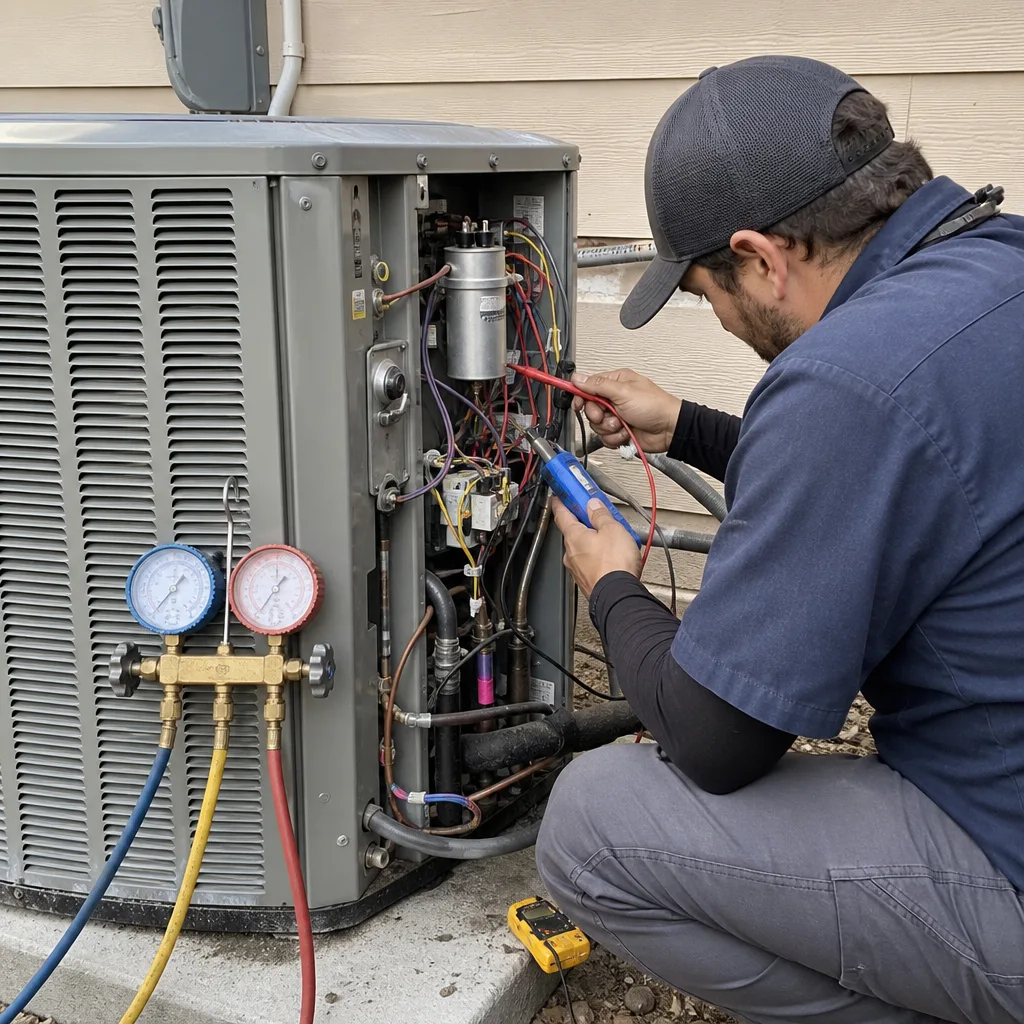
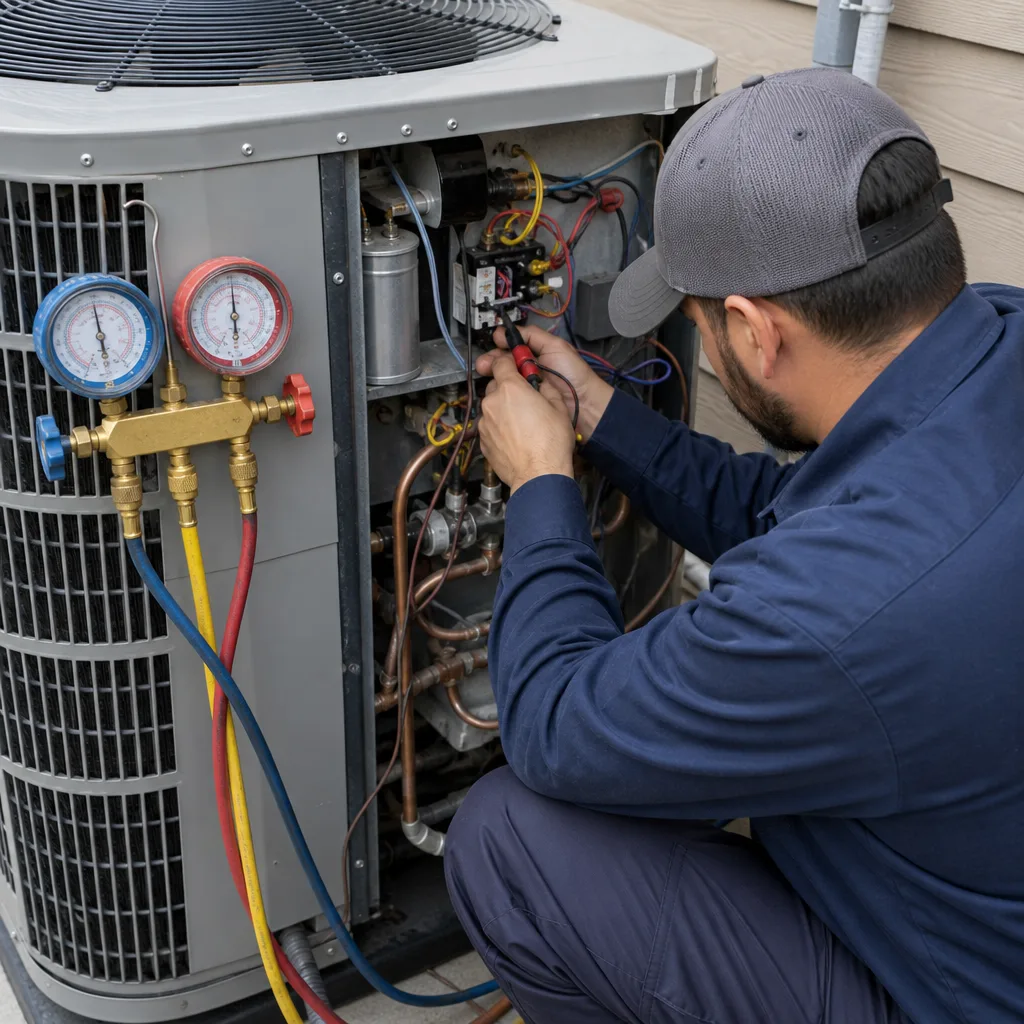
Call a professional when the task involves any part of the sealed refrigeration system: a hissing sound near the lines, visible oil staining, a system that’s cooling but not dehumidifying, or a compressor that’s short-cycling. Call when the furnace burner is sooting, the flame is yellow instead of blue, or you smell natural gas or an electrical burning smell anywhere near the equipment. These aren’t repairs; they’re hazards. Call when the system is still under manufacturer parts warranty and the repair is anything beyond a filter or thermostat battery. And call when you’ve done the troubleshooting and the system still isn’t right, because the next layer of diagnosis requires a manifold gauge set, a recovery machine, or a combustion analyzer, none of which you should own. Cold Harbour Heating and Air Houston offers free estimates in Houston – call (832) 371-9862 and we’ll give you a written price before any work begins.
Frequently Asked Questions
Yes, a homeowner can legally replace their own capacitor in Texas, since it’s a component-level electrical repair that doesn’t involve refrigerant or require opening the sealed system. But the practical risks are real: a charged capacitor can deliver a severe shock, and wiring it incorrectly can overheat and eventually destroy the compressor. We recommend it only if you own a multimeter, know which terminal is which, and have discharged the old capacitor properly.
You’re violating the federal Clean Air Act, and the EPA can fine you up to $44,539 per violation per day under current enforcement guidance. Additionally, if the system has a manufacturer’s warranty, unauthorized refrigerant service typically voids it. In Houston, where refrigerant leaks often trace to coil corrosion from our salty, humid air, the DIY approach usually makes a bad situation worse in ways that only surface when the compressor fails.
Most professional capacitor replacements in the Houston metro run $140 to $280, parts and labor included. The part itself costs $15 to $35, but the service call, diagnostic time, and documentation account for the rest. If your system is still under a manufacturer’s parts warranty, the documentation matters: a professional repair with a paper trail protects the compressor warranty in a way a DIY replacement cannot.
Any repair that involves the sealed refrigeration system, line-voltage electrical work not documented by a licensed contractor, or any modification the manufacturer’s warranty administrator deems a contributing factor to a subsequent failure can void warranty coverage. In practice, a capacitor replacement done by a homeowner on a system still under warranty creates a documentation gap that makes a later compressor claim much harder to win, which is why we recommend professional parts replacement on newer systems.
For a 15-year-old Houston air conditioner, especially one that’s been cooling for 3,000 hours per year, most repairs become a question of whether you’re throwing money at a system nearing replacement anyway. A $200 repair on a unit that needs $6,000 to $12,000 of replacement inside two years is sometimes worth it, sometimes not. Our honest advice: have a professional run the specific numbers on your unit, including its current efficiency and any refrigerant type concerns (R-22 systems are now prohibitively expensive to recharge), before you invest in parts. Call (832) 371-9862 for a free estimate.
Check the thermostat settings and battery, both circuit breakers, the condenser disconnect switch, the air filter, and whether water is standing in the emergency drain pan. Five minutes of checking these items regularly identifies the cause of a no-cooling call in a large portion of cases, and when you do call, you’ll be able to tell the technician exactly what you observed, which speeds diagnosis and shortens the bill.
The Bottom Line
Houston’s climate, building stock, and legal environment make the DIY-versus-professional HVAC question more nuanced than a national guide can handle. The household-reversible tasks are genuinely yours to do: filter, thermostat, breaker, drain line, capacitor. The sealed refrigeration system, the gas train, and the line-voltage electrical cabinet are not. And the warranty trap is the part most Houston homeowners never see coming: a $18 part installed by an uncertified hand can cost you a $3,000 compressor warranty if the manufacturer connects the dots. Do the troubleshooting, keep the records, and when a repair crosses the line from “part swaps” to “system diagnosis,” call Cold Harbour Heating and Air Houston.
If you’re in Houston and need AC repair in Houston done right, with a written price before work begins and a 365-Day Done Right Promise that puts the guarantee in writing, we’re here. For heating systems, see our furnace repair in Houston page, and for replacement systems, our AC installation in Houston page carries the same Kingswell standards. Call (832) 371-9862 for a free estimate. A live person answers, any hour, any day.
Written by Victor Mancini, Owner at Cold Harbour Heating and Air Houston, serving Houston since 2003.
See the difference
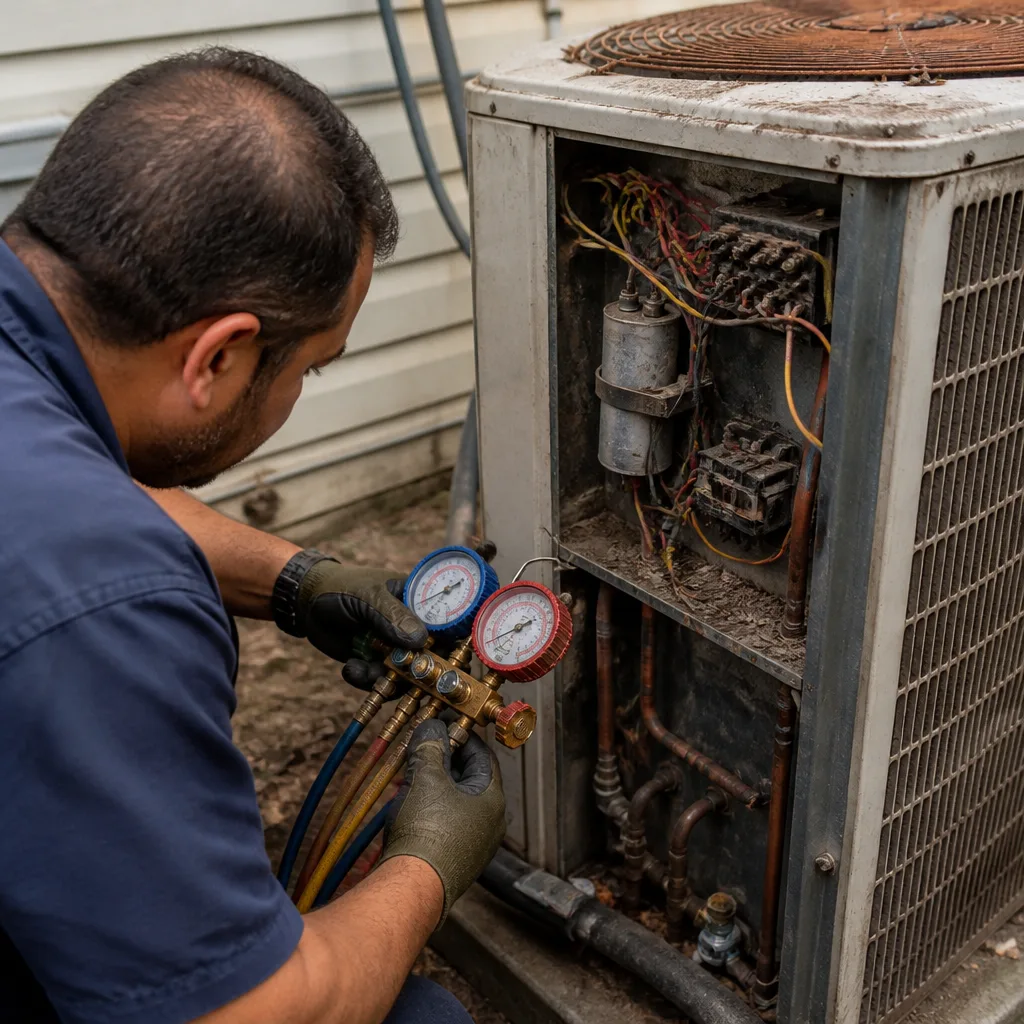 Before
 After
After Before
 After
After Before
 After
After