
Last updated October 16, 2026
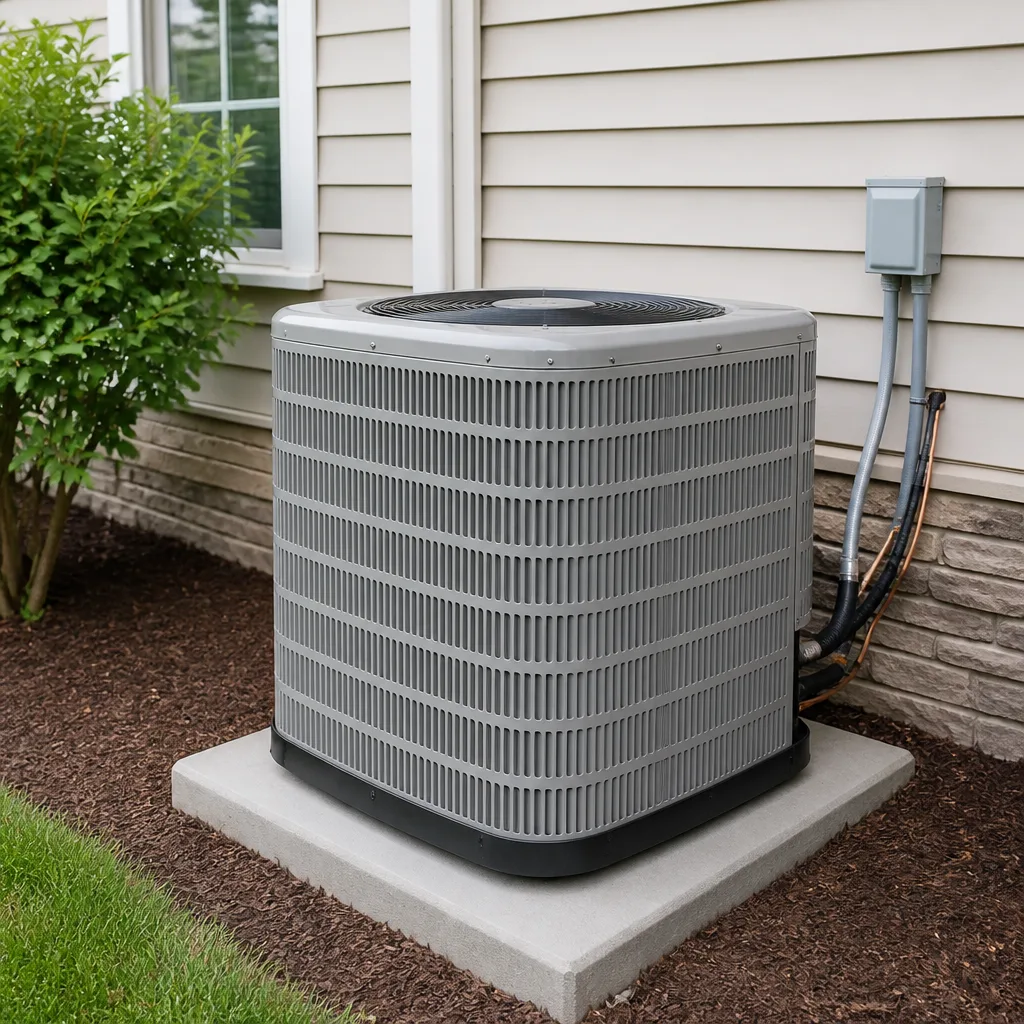 AC repair
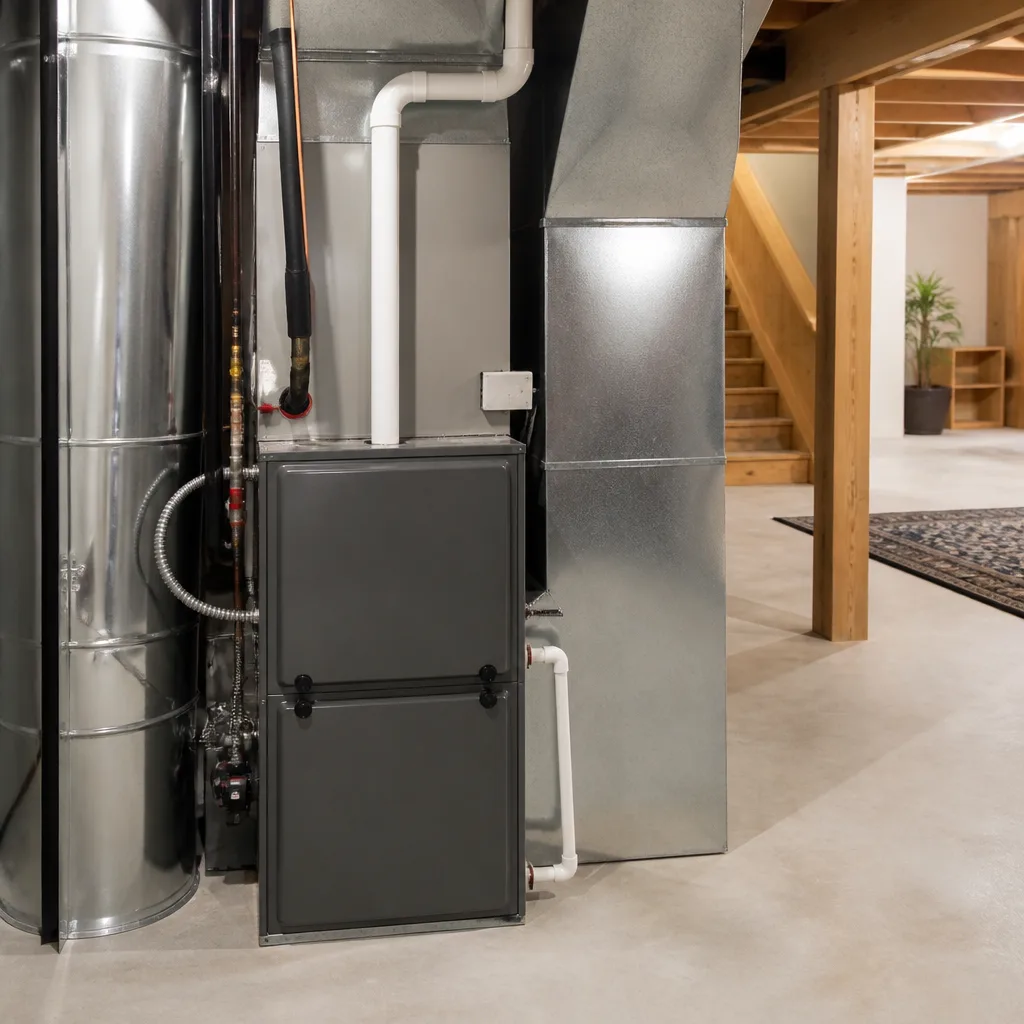 Furnace & heating
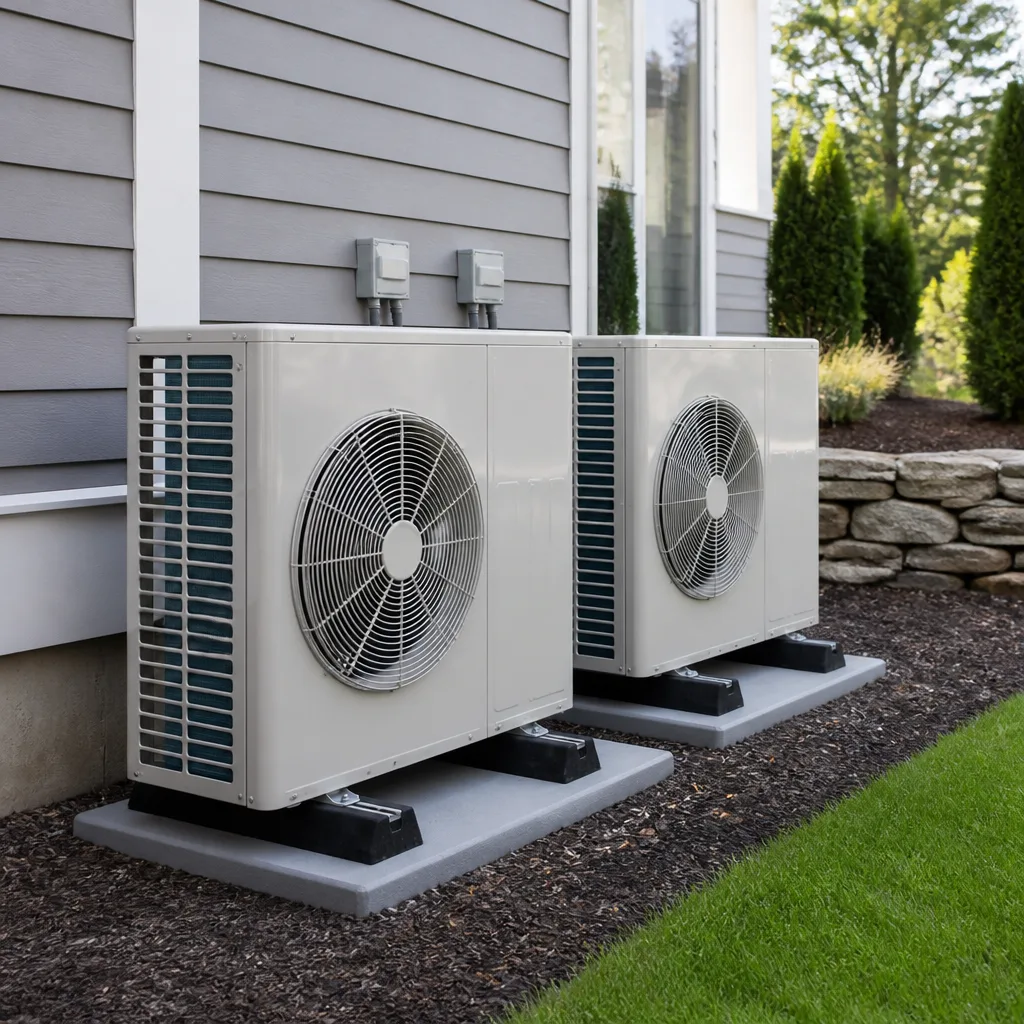 Heat pumps
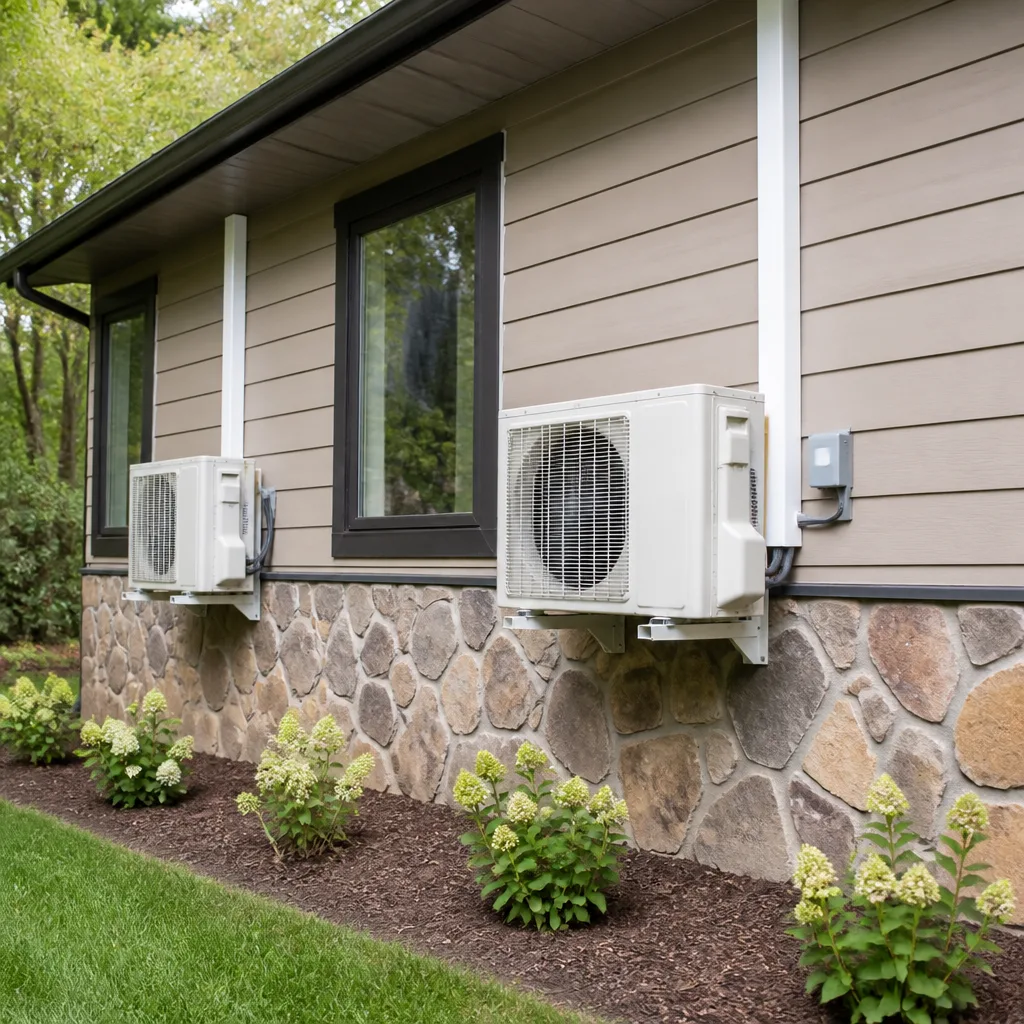 Ductless mini splits
 Carrier
 Trane
Trane Goodman
Seasonal tune-up and full diagnostic on your Carrier, Trane, or Goodman system - readings shown to you before any repair is proposed
Diagnosis first, numbers second - you approve the repair price before a single part goes in.
Get your free estimateHVAC Permits, Codes & Inspections in TX: What You Need to Know
Houston has no traditional zoning ordinance, which makes plenty of people think the city also takes a relaxed view of construction codes. That assumption is wrong, and it costs homeowners real money. Houston enforces a mechanical code, and an unpermitted HVAC installation can surface years later as a material defect on a title report, forcing a seller to re-permit old work or knock thousands off the asking price. This guide walks through exactly which HVAC jobs in Houston need permits, what the Texas Mechanical Code actually requires, what inspectors look for, how to check an existing system, and how to steer clear of the insurance and resale traps. For more guides & resources, visit our blog.
Quick Answer
Most HVAC replacements in Houston city limits require a mechanical permit and a final inspection. The code enforced is the Texas Mechanical Code, derived from the International Mechanical Code, and it governs line sizing, clearances, condensate discharge, and gas connections. A permit is not a formality: unpermitted installations regularly trigger denied insurance claims for water damage and complications during a home sale when they show up on a title report.
Styles & brands we work with
Table of Contents
- Which HVAC Jobs Need a Permit in Houston and Harris County
- What the Texas Mechanical Code Actually Requires
- How the Permit Inspection Process Works Step by Step
- What a Failed Inspection Requires of the Contractor
- The Insurance Claim Problem: Unpermitted HVAC and Water Damage
- How to Check Whether Your Existing HVAC System Has a Permit
- Buying or Selling a Houston Home: Permit History Requests
- Common Mistakes to Avoid
- When to Call a Professional
- Frequently Asked Questions
Which HVAC Jobs Need a Permit in Houston and Harris County
The permit threshold depends on where the house sits. Inside Houston city limits, the City of Houston’s Code Enforcement branch requires a mechanical permit for any new installation or full replacement of an air conditioning system, furnace, heat pump, or ductwork. Altering the refrigerant circuit, replacing an outdoor condensing unit or indoor evaporator coil, running new ducting, and adding new gas lines for a furnace all sit inside that requirement. What does not require a permit is routine maintenance: changing filters, cleaning condenser coils, replacing a contactor or capacitor, or swapping a blower motor. For a deeper look at what belongs on your seasonal to-do list, see our Seasonal HVAC Care for Houston: Year-Round Homeowner’s Guide.
Unincorporated Harris County operates differently. The county generally does not have the same local permitting apparatus for single-family residential HVAC work that the city does, though it still expects work to comply with the Texas Mechanical Code. That does not mean anything goes. Several municipal utility districts and small cities inside Harris County, such as Pasadena, Baytown, and Humble, enforce their own permits. The lesson: never assume a job is permit-free based on neighborhood hearsay. Confirm with the specific jurisdiction before the work starts.
What we tell people who call us from the Heights, Meyerland, Kingwood, or Clear Lake is simple: if a contractor tells you no permit is needed inside Houston city limits for a full system change-out, that contractor is either mistaken or cutting corners. A legitimate company knows the threshold and files when the code says to file.
What the Texas Mechanical Code Actually Requires
The Texas Mechanical Code is the state-level rulebook, built on the International Mechanical Code and adopted by Houston. It is technical, so here is the plain-English version of the sections that affect a typical Houston home.
Refrigerant line sizing matters in this climate more than in milder parts of the country. An undersized suction line robs capacity when a Houston attic is 140 degrees in July and the system runs 12 hours a day. The code spells out minimum and maximum line diameters, connection methods, and support spacing so the pipes don’t vibrate, rub, or leak.
Condensate discharge is the most inspected item on a Houston HVAC job, because our humidity makes handling the water a matter of when, not if. Code requires a primary drain to a listed fixture plus a secondary drain or an auxiliary drain pan with a water-level cutoff switch. Secondary lines have to terminate at a conspicuous location so a homeowner can see water dripping and realize the primary is clogged. If a home uses a condensate pump, it has to be served by a dedicated circuit or be listed for cord-and-plug use.
Clearances are the third common point of failure. The code sets minimum distances around outdoor condensing units so discharge air doesn’t recirculate, and minimum working clearances for furnaces and air handlers so techs can actually service them. Shove a condensing unit behind hedges with a foot of clearance and an inspector will flag it, not just out of pedantry but because the unit will struggle and fail early.
How the Permit Inspection Process Works Step by Step
Here’s the typical sequence for a full system replacement in Houston city limits:
- The HVAC contractor files for a mechanical permit before the work begins. The permit document states the scope: what is being installed, where, and by which licensed trade.
- The permit fee is paid, and the jurisdiction issues a permit number. The job may not start until the permit is in hand.
- The crew installs the system. This stage is the rough-in, though for a straightforward replacement there is often no separate rough inspection. The inspector’s sheet covers line size, support, clearances, the drain arrangements, and the electrical disconnect.
- The contractor calls in the final inspection. Houston’s inspection queue usually runs next business day, though storm surge after a heat wave can push it two or three days.
- The inspector walks the job and checks the visible items: outdoor unit clearance and pad, lineset insulation and support, the indoor drain and secondary pan, the emergency shut-off, and the gas drip leg on a furnace when applicable.
- If the inspection passes, the jurisdiction marks the permit final. If it fails, the inspector notes corrections in writing. The contractor fixes them and calls for a re-inspection.
Who schedules the inspection matters. Code says the contractor does it, not the homeowner. If a contractor finishes a job and tells the homeowner to call the city for an inspection, that is a sign something is off. The contractor’s job includes the inspection scheduling and the re-inspection if needed.
What a Failed Inspection Requires of the Contractor
A failed HVAC inspection in Houston is not the end of the world, but it is a burden that belongs entirely on the contractor’s shoulders. The city inspector produces a correction list, usually with a defined window to complete the work and call for re-inspection. Specific failure reasons we see frequently are a secondary drain terminating where no one will ever see it, a furnace flue pipe with improper slope, an outdoor unit set on piers that don’t meet listed height, and minor items like missing electrical disconnect labeling.
Here’s what ought to happen next: the contractor returns, corrects every item on the list, and calls for the re-inspection. Each jurisdiction has its own re-inspection fee, which in Houston is modest, but the homeowner must not be the one paying it when the failure lands on a code item the contractor should have caught the first time. Which brings up the question to ask before hiring: how does the company handle a failed inspection. A straight answer, like “we come back and fix it at no charge” beats hedging about how it almost never happens. Permits protect the homeowner, and a company that acts indignant about inspections is telling you something important about how it views code enforcement.
The Insurance Claim Problem: Unpermitted HVAC and Water Damage
This is the part most guides skip, and it is the most expensive. When an air conditioner with an unpermitted installation fails and causes water damage, the homeowner’s insurance carrier has a ready reason to deny the claim or limit the payout. The carrier’s adjuster may ask for proof of permit and final inspection. If neither exists, the insurer classifies the loss as damage resulting from an improperly installed system, and standard Texas homeowner policies exclude loss caused by faulty workmanship, including installations done without required permits.
The denial does not even need a causal chain from the permit to the leak. The absence of a permit opens the door to recharacterizing the whole installation as outside the insured condition. This is especially painful in Houston, where AC condensate overflow is a routine source of ceiling and wall damage. A few hundred dollars for a permit is cheap insurance, and the permit record is itself evidence that the system met code at the time of installation.
If your system was installed before you owned the home and you are unsure of its permit status, the next section explains how to find out.
How to Check Whether Your Existing HVAC System Has a Permit
Finding an old HVAC permit record in Houston is doable, but the record may not jump out at you. The City of Houston permits database is searchable online by address and covers most jurisdictions within city limits. Start there. You’re looking for a mechanical permit issued around the time a new system would have been installed. Keep in mind the permit record may be in the name of the contractor rather than the homeowner.
If you live in unincorporated Harris County, the county does not issue the same mechanical permits for most single-family work, so a blank search result does not mean anything was done wrong. But if you live in an incorporated city inside Harris County, check that city’s own permit database. Pasadena, Baytown, Humble, and Friendswood each run their own system.
When the online search turns up nothing and you want certainty, the building department can do a records check. The process usually requires an address, and some jurisdictions ask for a written request. It may take a few days. If the search confirms no permit ever existed for a system that should have had one, you have a decision to make before the system fails or before you list the home for sale: either re-permit the work retroactively, which often requires an inspection and may require bringing parts of the system up to current code, or disclose the situation to a buyer and accept the price hit.
Buying or Selling a Houston Home: Permit History Requests
If you are buying a Houston home, your agent should request the permit history for the property from the city, not just hand over a list of past maintenance. Specifically request any mechanical permits and their final inspection status. This is not part of a standard inspection; it is a records request. Then compare the permit dates with the age of the HVAC equipment the seller’s disclosure claims. A 6-year-old AC system with no permit on record is a question mark that should be resolved before close.
If you are selling a Houston home, the same logic runs the other way. The buyer’s title company may flag open or missing permits on a title report. When that happens, the seller has roughly three paths: produce the permit and final inspection, bring the system into compliance and have it inspected now, or renegotiate the sale price. The third path is the most common and the most preventable.
Here’s a step-by-step request list a buyer can hand to an agent before the option period ends:
- Request all mechanical permit records from the city’s database by address.
- Note any permit issued but not marked final, and ask the seller to close it out.
- Match the install date of the visible equipment against permit dates.
- If a recent system has no permit, ask the seller to have the system inspected and re-permitted before closing, or credit the cost.
- Get the resolution in writing as an addendum, not a verbal promise.
We’ve helped homeowners in Spring Branch, Bellaire, and Montrose sort through exactly this scenario. The resolution is rarely complicated, but it is almost always easier when caught before the title work begins.
Common Mistakes to Avoid
- Assuming no zoning means no permits. Houston’s lack of zoning is a land-use fact, not a building-code policy. The mechanical code and the Mechanical Permit are separate systems and both are active in Houston.
- Letting the contractor skip the permit to save money. The contractor saves more than you do. You keep all the future liability. A $150 permit is the cheapest insurance on the job.
- Confusing a permit with an inspection sticker. A sticker on the equipment is not a permit. A permit is a paper record with a permit number and a final inspection date.
- Not checking jurisdiction before the job. A house on the edge of Houston may be in an extraterritorial jurisdiction, an MUD, or a small incorporated city. Work that is permit-free in one may need a permit next door.
- Throwing away the permit paperwork after the job. Keep the permit number and final inspection record in a file with the equipment warranty. You may need it for an insurance claim or a sale in five years.
- Waiting until a title company flags the issue. Resolving a permit question before listing a Houston home is far less expensive than resolving it after the buyer’s title work starts.
When to Call a Professional
Any job that involves new equipment, refrigerant circuit changes, gas lines, electrical disconnects, or ductwork modifications should be left to a licensed contractor who files the permit, meets the code, and closes the inspection. This is not a weekend project. The Texas Mechanical Code is a few hundred pages long, and the dangerous parts, like refrigerant under high pressure and gas connections, are exactly the parts an inspector is there to verify. Cold Harbour Heating and Air Houston offers free estimates in Houston, and every permitted job ends with the final inspection called and closed before we consider the work complete. Call (832) 371-9862.
Frequently Asked Questions
Yes. A mechanical permit is required in Houston city limits for a full AC system replacement, including the outdoor unit and indoor coil. Routine maintenance tasks like cleaning coils or replacing a capacitor do not require a permit.
Most final inspections in Houston are completed within one to three business days of the contractor calling them in. After a severe heat wave or storm event, the queue can stretch up to a week.
You can sell it, but the missing permit may be flagged by the title company, which typically forces a renegotiation. Common remedies include re-permitting the system with an inspection now or offering the buyer a credit at the price of the system.
It can. Texas homeowner policies generally exclude damage caused by faulty workmanship, and an unpermitted installation gives an adjuster a straightforward reason to classify an AC leak that way. A permit with a final inspection makes the claim easier to defend.
The contractor who performed the work should pay any re-inspection fee when the failure falls on a code item the contractor should have caught. This is worth asking about before hiring, and a written answer in the estimate is even better.
Houston enforces the Texas Mechanical Code, which is derived from the International Mechanical Code with Texas-specific amendments. It governs refrigerant lines, clearances, condensate disposal, and gas-fired furnace connections.
The Bottom Line
Houston homeowners who treat HVAC permits as a bureaucratic nuisance learn the hard way that the permit is the document that protects them. It proves the system met code, keeps insurance claims above water, and keeps a future home sale from derailing at the title office. Before any system change-out, confirm the jurisdiction, require proof of a filed permit, and keep the final inspection record with your warranty paperwork. Our AC Repair Maintenance Checklist for Houston Homeowners can help you track these details. The permit costs a fraction of what an unpermitted system can cost you later. When the work is done by a company that handles the permit, the inspection, and the guarantee in writing, the only thing left to do is turn on the AC and let the Houston heat stay outside.
Written by Victor Mancini, Owner at Cold Harbour Heating and Air Houston, serving Houston since 2003.
See the difference
 Before
 After
After Before
 After
After Before
 After
After