
Last updated October 16, 2026
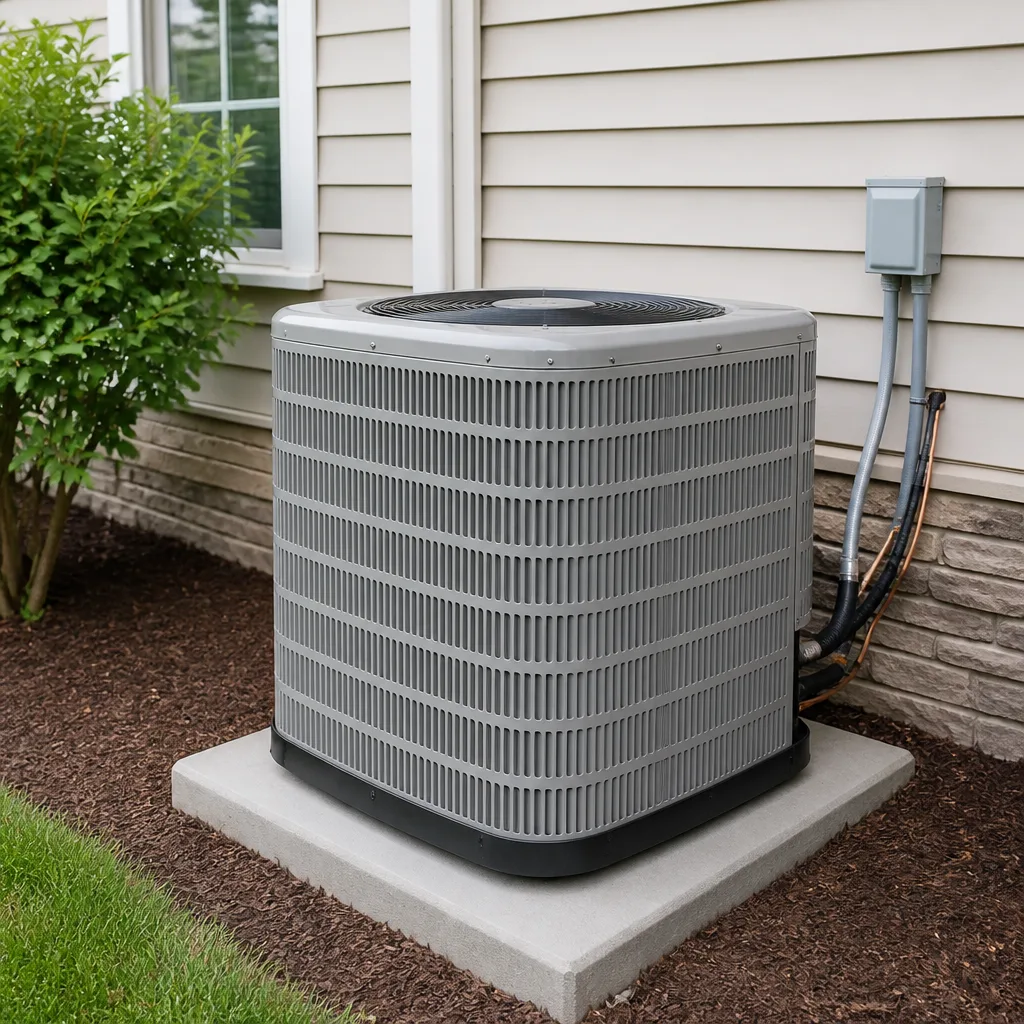 AC repair
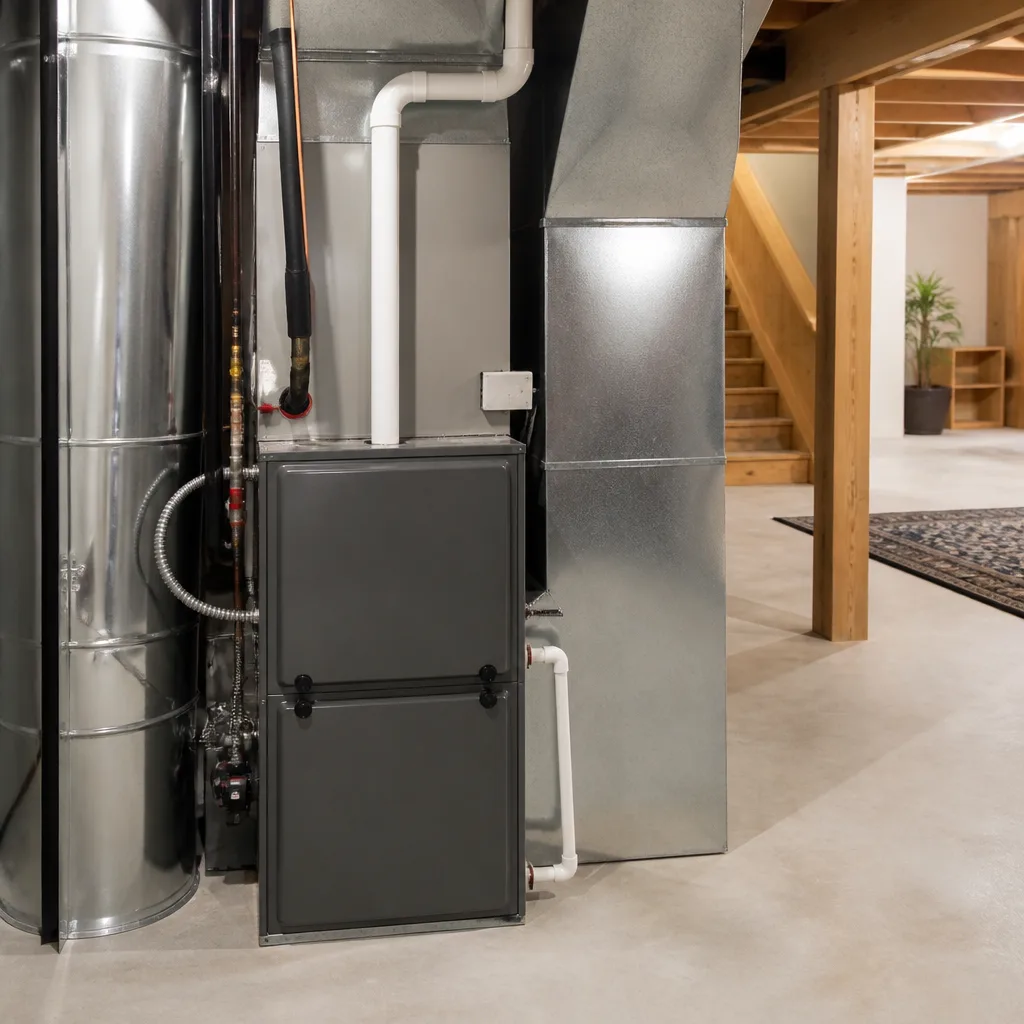 Furnace & heating
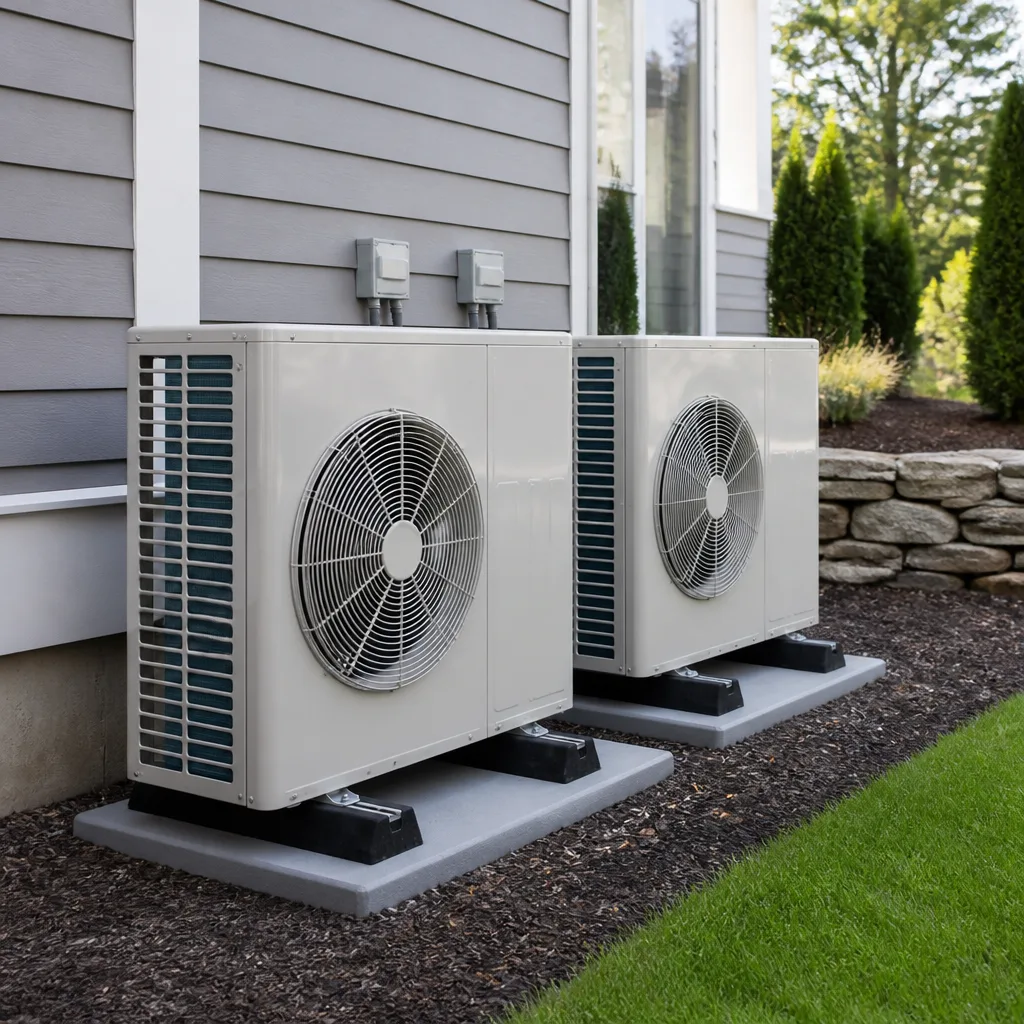 Heat pumps
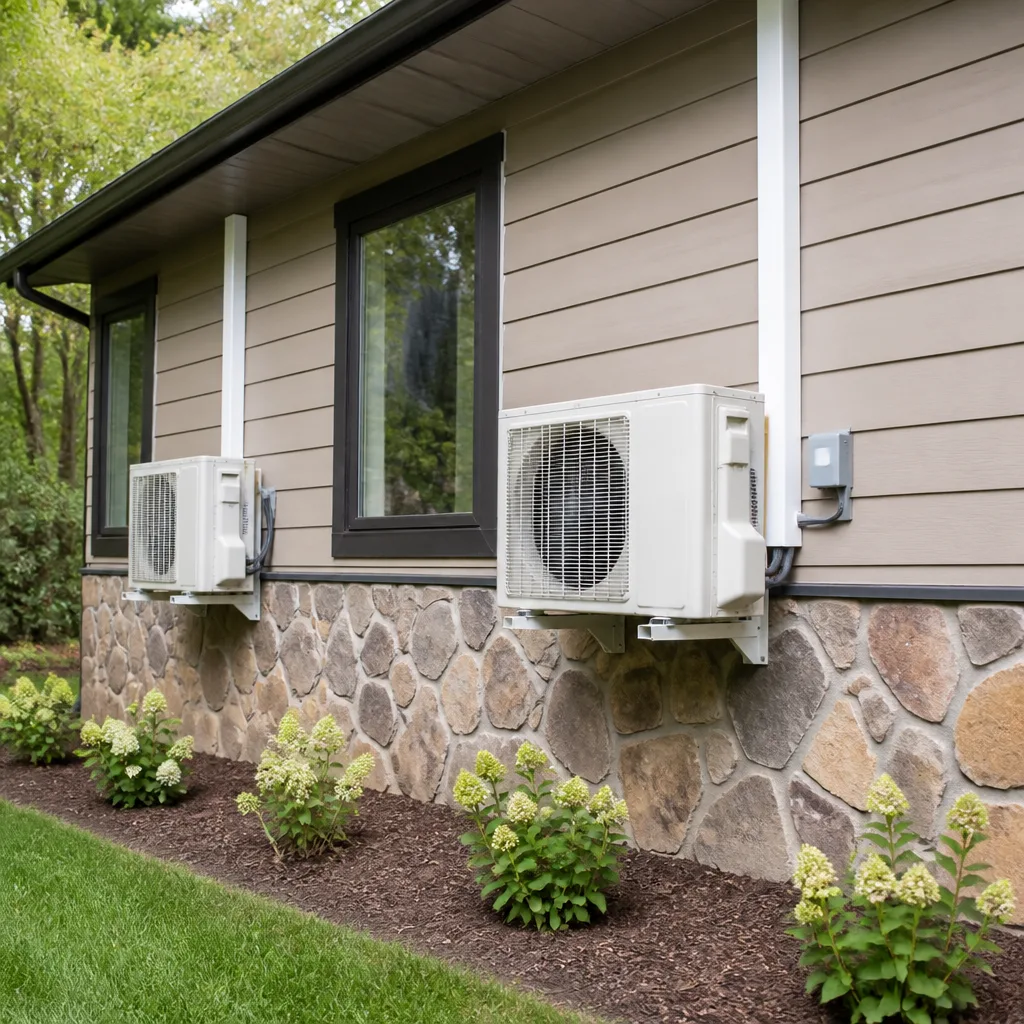 Ductless mini splits
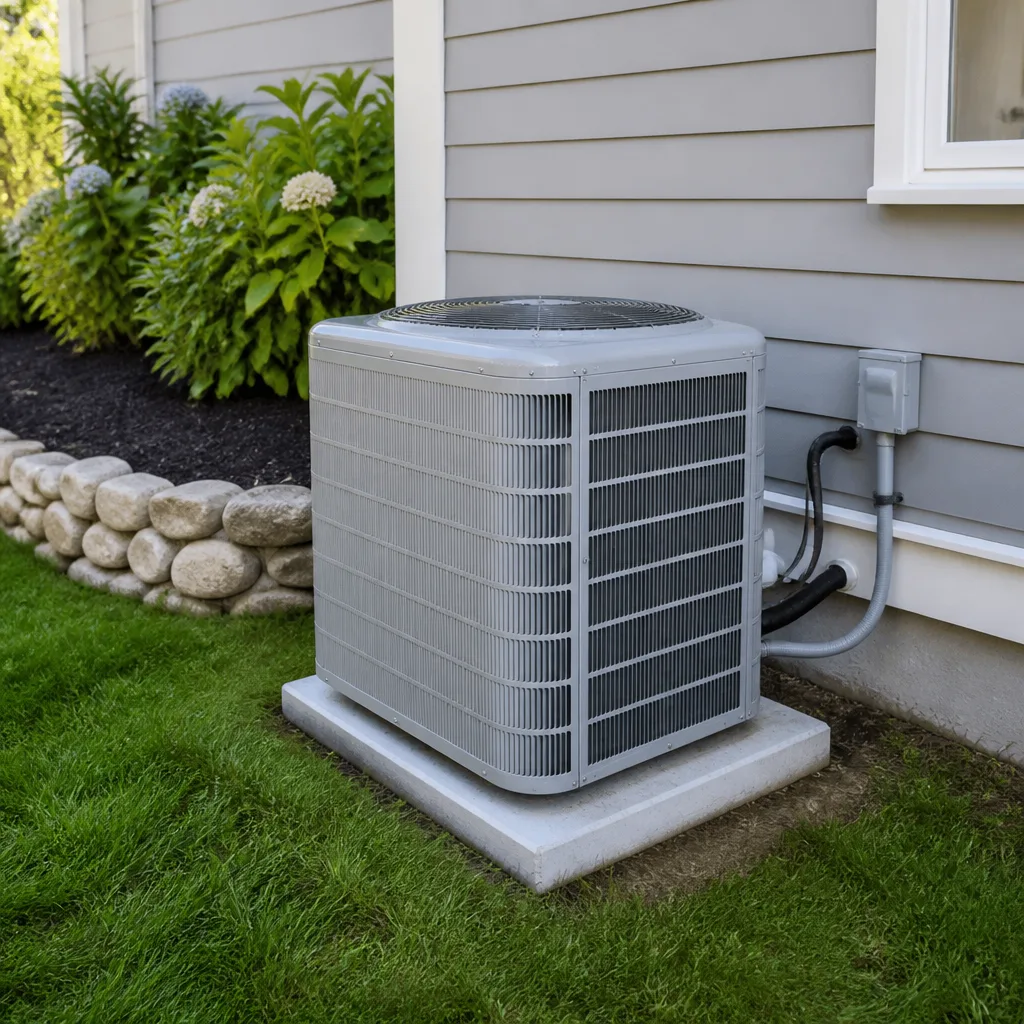 Carrier
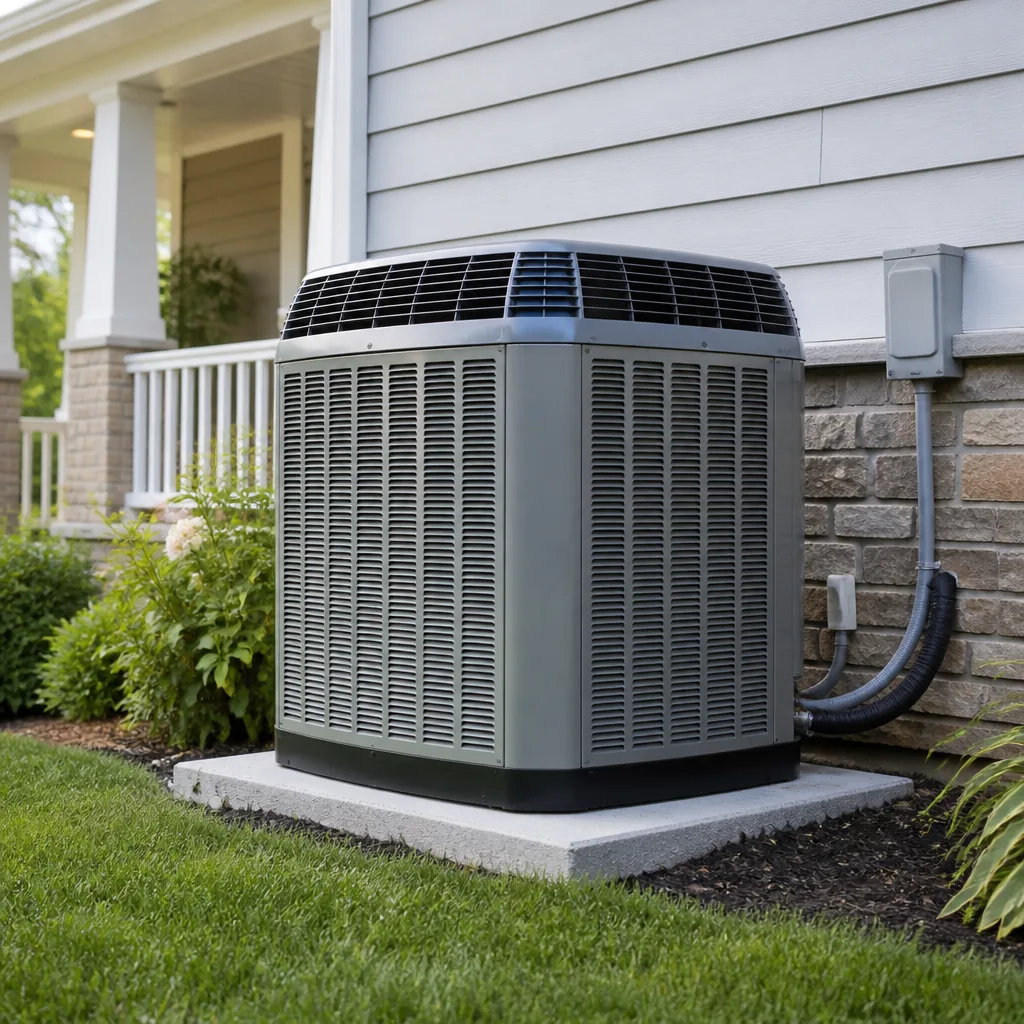 Trane
Trane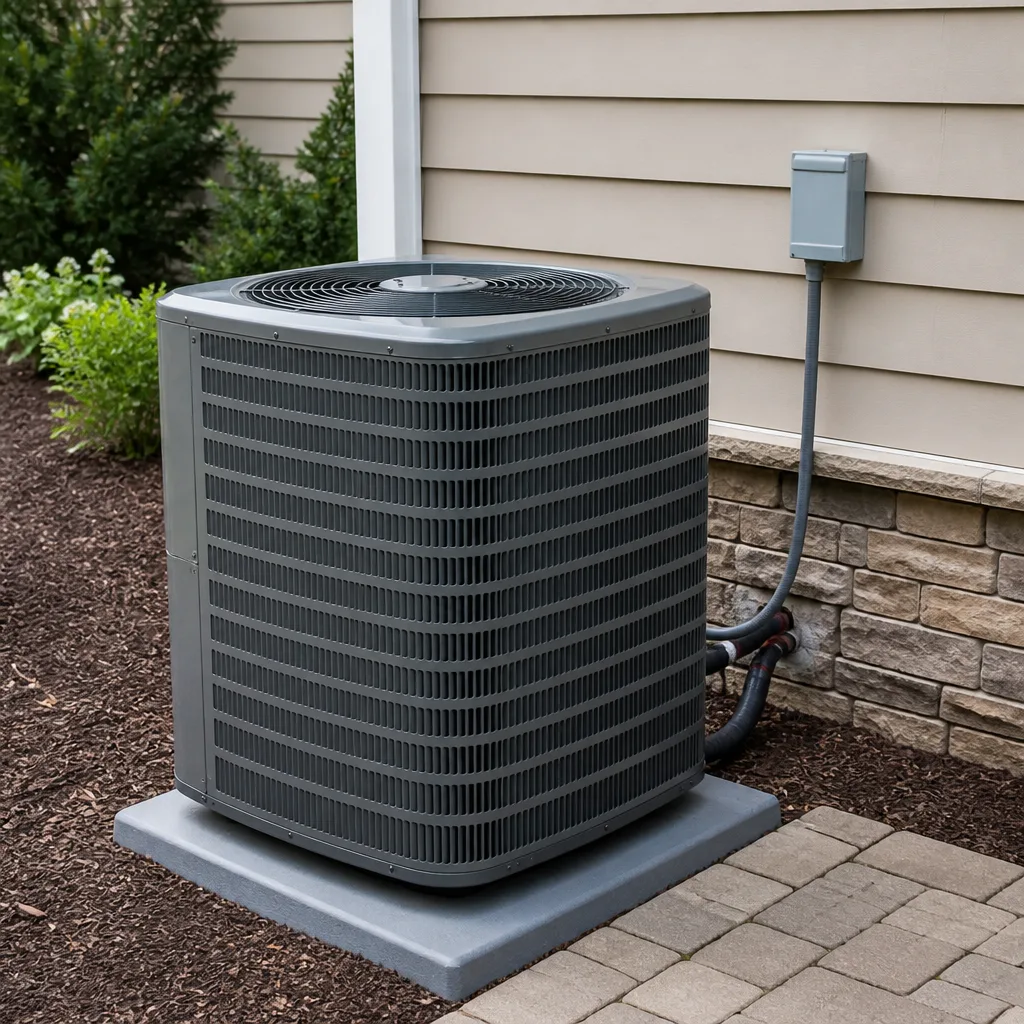 Goodman
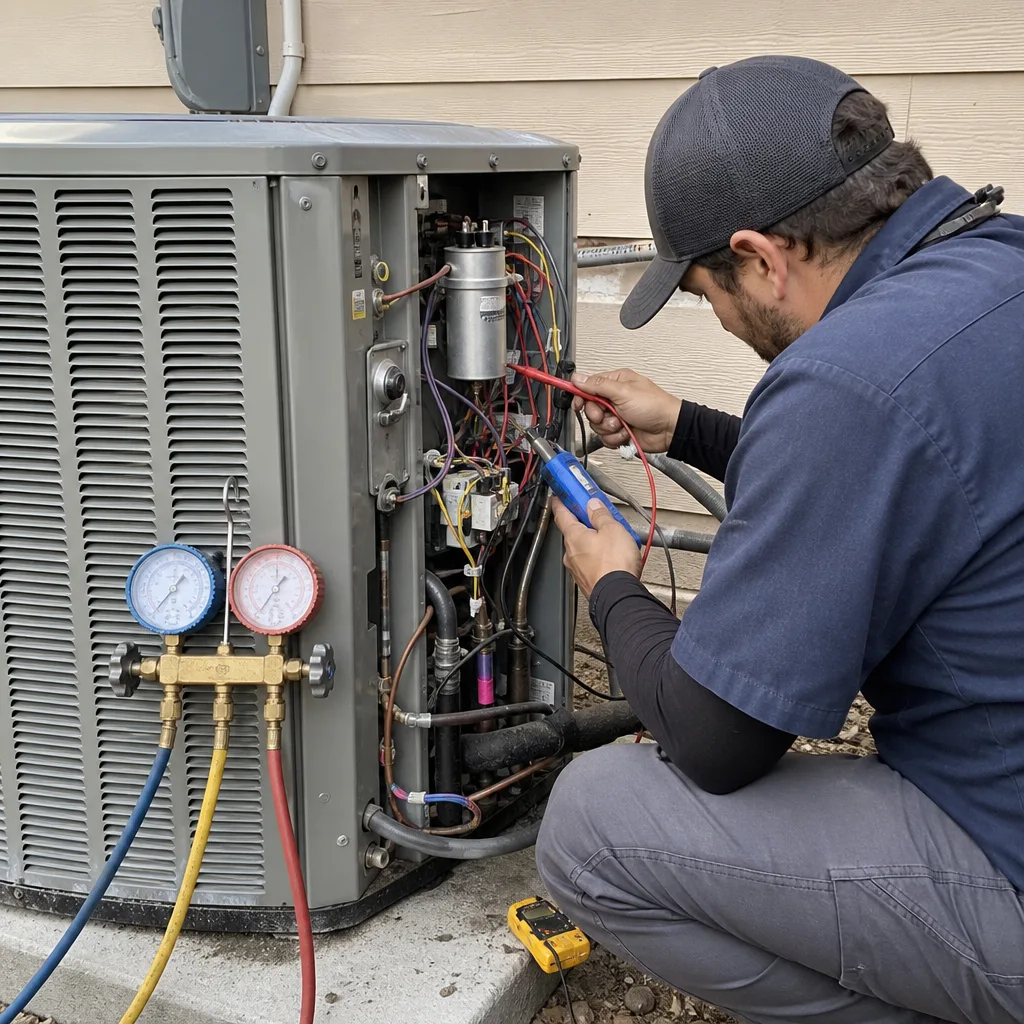
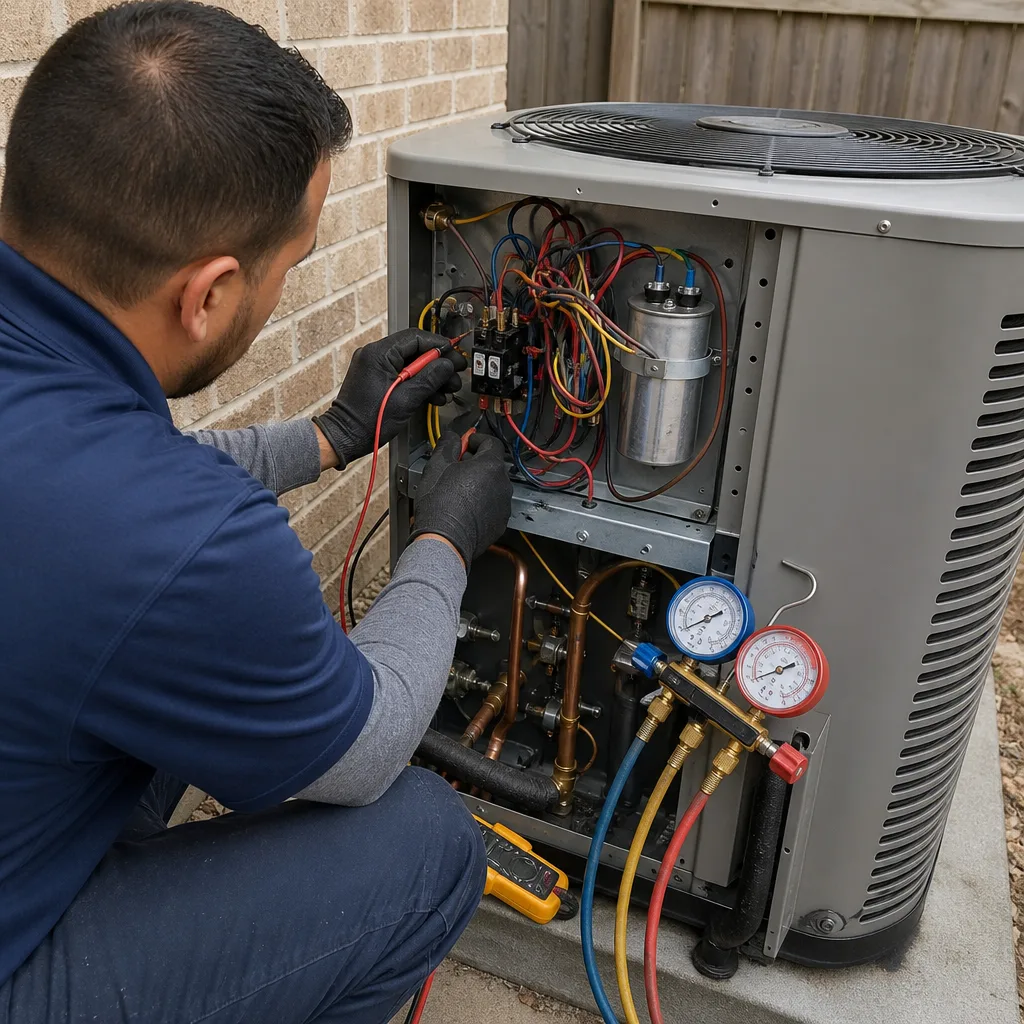
Seasonal tune-up and full diagnostic on your Carrier, Trane, or Goodman system - readings shown to you before any repair is proposed
Diagnosis first, numbers second - you approve the repair price before a single part goes in.
Get your free estimateHow to Hire a HVAC Contractor in Houston: A Step-by-Step Guide
Texas requires HVAC contractors to hold a state license, yet after every major Houston storm season, city inspectors document work performed by crews whose licenses exist only on a subcontract paper trail most homeowners never see. The contractor who shakes your hand at the kitchen table may not be the person who shows up with the tool bag, and in Houston’s boom-bust repair cycle, unqualified crews rotate in and out faster than most homeowners realize. This guide gives you a concrete vetting sequence for hiring a Houston HVAC contractor, not a list of soft questions to ask. You’ll learn how to verify a license in under two minutes, what three numbers must appear on every quote, why the lowest bid usually costs the most, and what a written guarantee should actually say.
Styles & brands we work with
Quick Answer
To hire an HVAC contractor in Houston, verify their Texas TDLR license is active (not just issued), confirm they pull permits and perform a Manual J load calculation rather than swapping equipment like-for-like, and insist on a written price and written warranty terms before any work begins. The final step is checking that the contractor’s labor warranty covers at least one full year on repairs, not just the manufacturer’s parts-only coverage. These four checks eliminate most of the risk in Houston’s crowded HVAC market.
Table of Contents
- Step 1: Verify the Texas TDLR License (Under Two Minutes)
- Step 2: Demand the Three Numbers Every Quote Must Include
- Step 3: Why the Lowest Bid in Houston Is Usually the Most Expensive
- Step 4: Ask the Question That Reveals Whether Equipment Is Actually Sized for Your House
- Step 5: What a Written Guarantee Should Actually Say
- Step 6: Understand Houston’s Storm-Churn Contractor Problem
- The Complete Vetting Checklist (Print This)
- Common Mistakes to Avoid
- When to Call a Professional
- Frequently Asked Questions
- The Bottom Line
Step 1: Verify the Texas TDLR License (Under Two Minutes)
Every legitimate HVAC contractor in Houston must hold an active license from the Texas Department of Licensing and Regulation (TDLR). The license number should be printed on the contractor’s website, business card, and any written estimate. If the number is missing, that is your first red flag, not a minor omission.
Here is the exact verification sequence, in the order we recommend at Cold Harbour Heating and Air Houston home:
- Go to the TDLR license search page at tdlr.texas.gov and select “Air Conditioning and Refrigeration Contractors” from the license type dropdown.
- Enter the contractor’s name or license number. The search is free and does not require an account.
- Check the status field. The word you want is “Active.” Not “Expired,” not “Inactive,” not “Probated.” Active means the contractor has met the state’s insurance and continuing education requirements and can legally pull permits in Houston.
- Note the original issue date. A license first issued six months ago is not automatically disqualifying, but combined with a rock-bottom bid, it often signals a storm-chaser operation that will not exist in two years.
- Check the business name against the name on the quote. If the license is held by one company and your quote comes from a different company, the subcontracted crew may be working under someone else’s paper, which voids your recourse if the work fails.
What does “inactive” mean for your warranty? It means the contractor cannot legally perform HVAC work in Houston, cannot pull a city permit, and any manufacturer warranty claim tied to that installation will likely be denied because the installing contractor was not properly licensed at the time of work. A TDLR license is not optional paperwork. It is the difference between a contractor who can stand behind a job and one who disappears when the first hot day arrives.
Step 2: Demand the Three Numbers Every Quote Must Include
Most Houston HVAC quotes arrive as a single lump-sum figure, and that is exactly the problem. A legitimate quote for equipment replacement or installation contains three separate numbers, and if any of them is missing, the quote is incomplete by design. Here are the three numbers to look for on every written estimate you receive in Houston.
Number 1: The Installed Price (Not the Equipment-Only Price)
The installed price includes the equipment, the refrigerant lines, the electrical connections, the condensate drain, the pad, the duct connections, the labor, and the cleanup. Some Houston contractors quote equipment only and then add line items at the door. In our experience, a complete installed price for a mid-range 3-ton system in Houston typically runs $7,500 to $12,000 depending on SEER rating and brand. A quote of $4,500 is not a deal; it is a partial price that will grow before the job is done.
Number 2: Manual J Load Calculation Confirmation
A Manual J calculation measures your home’s heating and cooling load based on square footage, window orientation, insulation levels, ceiling height, and Houston’s specific climate data. The calculation produces a number in BTUs, and that number determines the equipment size. If a contractor cannot show you a Manual J calculation for your specific address, the equipment size is a guess. The confirmation should appear as a written line item or a note on the quote stating that the price includes a Manual J load calculation performed for the property at the stated address.
Number 3: The Permit Fee
Houston requires permits for HVAC equipment replacement and installation (see HVAC Permits, Codes & Inspections in TX: What You Need to Know). The permit fee is a pass-through cost that should appear as a separate line item, typically $100 to $300 depending on the scope and the municipal jurisdiction within the Houston metro. If the permit fee is missing from the quote, the contractor is either planning to skip the permit or planning to add it later. Either way, an unpermitted installation can fail a home inspection when you sell, and it voids the protection that the permit process provides: an independent city inspection of the completed work.
What it means when any of these numbers are missing: A missing installed price means a door-price increase is coming. A missing Manual J means the equipment size was guessed. A missing permit fee means the job was never intended to be inspected. Any one of these omissions is enough to set the quote aside.
Step 3: Why the Lowest Bid in Houston Is Usually the Most Expensive
Houston’s HVAC market operates on a simple economic reality: it costs a certain amount to run a legitimate operation. A licensed contractor with insurance, workers’ compensation, a real office, a dispatcher who answers the phone, and technicians who receive ongoing training has fixed overhead that appears in every bid. When a Houston quote comes in 30 to 40 percent below the field, the savings are not coming from efficiency. They are coming from something being cut, and it is usually one of three things.
The first cut is insurance. General liability insurance for an HVAC contractor in Houston runs several thousand dollars per year. Workers’ compensation is several thousand more. An uninsured crew can quote lower because their cost structure is genuinely lower. The risk to you is that when a technician falls off a ladder on your property or an electrical mistake burns a control board, the uninsured contractor has no coverage, and you are left pursuing an individual who has likely already moved on to the next storm market.
The second cut is the permit. We have already covered the permit fee, but the deeper problem is contractors who price the permit out of every job as a matter of policy. No permit means no city inspection. No city inspection means no independent verification that the work meets code. In Houston’s humid climate, an improperly installed condensate drain or a poorly sealed duct connection may not show symptoms for months, and by then the contractor is gone.
The third cut is the warranty. A manufacturer’s parts warranty is tied to the equipment serial number, not to the installer. But the labor warranty, the promise that the contractor will return and fix a failed repair without charging you again, is only as good as the contractor’s continued existence. The lowest bidder in Houston is disproportionately likely to be a one-season operation that cannot honor a labor warranty because the phone number no longer rings. To price-check legitimacy rather than just price, ask the low bidder for their TDLR license number, their certificate of insurance, and a copy of their written labor warranty terms. Contractors who provide all three are usually still in the running. Contractors who stall on any one of them are not.
Step 4: Ask the Question That Reveals Whether Equipment Is Actually Sized for Your House
There is one question that separates Houston HVAC contractors who size equipment properly from those who simply swap boxes, and it is this: “What Manual J calculation did you run for this house, and can I see the inputs?”
Here is why the question matters. Houston homes built in the 1970s, for example, often have original single-pane windows and minimal attic insulation. Homes in newer master-planned communities may have spray-foam and low-E glass. The cooling load for a 2,200-square-foot 1978 ranch in Sharpstown is not the same as the load for a 2,200-square-foot 2019 build in Kingwood. A contractor who replaces “like for like,” meaning the same tonnage as the outgoing unit, simply locks in whatever mistakes the previous owner or builder made. If the original equipment was oversized, like-for-like replacement gives you an oversized unit that short-cycles, fails to dehumidify, and wears out early. If the original was undersized, you get a unit that runs continuously and still cannot hold 72 degrees in August.
In our experience replacing systems across Houston, we regularly find original equipment that was a full ton off from what the house actually needed. The fix is not more opinions; it is math. The Manual J calculation takes about an hour of measurements and produces a load number in BTUs. The contractor then converts that number to tons of cooling (12,000 BTUs per ton) and selects equipment at or slightly below that mark. Houston’s humidity argues for not oversizing, even when the calculation lands between sizes, because an oversized system cools the air quickly and shuts off before it has removed enough moisture. The result is a cool, clammy house that smells like mildew in the walls. Ask for the Manual J. If the contractor says they have “been doing this for 20 years” and “know what this house needs,” you are getting a guess dressed as experience.
Step 5: What a Written Guarantee Should Actually Say
Every Houston HVAC contractor will tell you they stand behind their work. What you need is the guarantee in writing, before you sign, and the language matters more than the existence of the document. Here is what a legitimate written guarantee includes, clause by clause.
Specific callback terms. The guarantee should state exactly what triggers a callback and what the response will be. Vague language like “we’ll make it right” is not a guarantee. The guarantee on an AC Repair in Houston should say something like: “If the repaired component fails within 365 days of the repair date, [Company Name] will return, diagnose the failure, and correct the repair at no charge to the homeowner.” Specific. Time-bound. No ambiguity.
Parts versus labor coverage split. A manufacturer’s parts warranty covers the component that failed, but not the labor to install the replacement. If a compressor fails in month eight, the parts warranty replaces the compressor, but you can still owe $800 to $1,500 in labor. A contractor’s written labor warranty should state clearly whether labor is covered for the full term of the guarantee, and for how long. At Cold Harbour Heating and Air, the 365-Day Done Right Promise covers both parts and labor on the repair for a full year, and the terms are handed to the homeowner in writing before the technician leaves. If the repair fails inside that window, we come back and correct it at no charge. No argument, no prorated schedule, no fine print.
Manufacturer warranty transfer versus contractor labor warranty. These are different documents with different obligations. The manufacturer’s warranty is registered to the equipment serial number and can be transferred to a new homeowner, usually for a small processing fee within a limited window after sale. The contractor’s labor warranty is a promise from the contractor themselves, and it dies when the contractor dies. In Houston, where storm-chaser operations appear and vanish seasonally, the contractor’s labor warranty is the one that actually protects you in practice, which is why you should verify that the contractor has been operating under the same name for more than a few storm seasons. The 2003 founding date of Cold Harbour Heating and Air is not a marketing line; it is the reason our labor warranty has survived every Houston storm cycle since.
Step 6: Understand Houston’s Storm-Churn Contractor Problem
Houston’s HVAC market has a structural problem that other cities do not share at the same scale. Hurricane and freeze events create sudden, massive demand for repair and replacement work. A freeze in February or a hurricane in September puts tens of thousands of Houston homes in need of immediate HVAC attention, and the local contractor base cannot absorb the surge. The gap is filled by out-of-state crews who follow the storms, set up a local phone number, and operate until the work slows down. When the next storm hits a different city, they move on.
The practical consequences for a Houston homeowner are concrete and predictable. The storm-churn contractor is less likely to hold a Texas TDLR license in their own name, more likely to work under a subcontract arrangement that obscures who is actually responsible, and almost certain to be unreachable when a repair fails six months later. Their prices are lower, their availability is immediate, and their disappearance is guaranteed. The Houston homeowner who hires a storm-churn crew to save $800 on a AC Installation in Houston often pays the full price anyway when the system fails and no one answers the phone.
How do you spot a storm-churn operation before you sign? Three tests. First, check the TDLR license issue date, not just the status. A license issued three months ago may be perfectly legitimate, but it means the contractor has not survived a single Houston summer or a single Houston freeze. Second, look for a physical Houston address, not a P.O. box or an out-of-state area code on the phone number. Third, ask what happens when the repair fails in month eleven. A contractor who can answer that question in writing, with terms that cover the full first year, is a contractor who plans to still be here in month twelve.
The Complete Vetting Checklist (Print This)
Here is the full sequence we recommend for hiring an HVAC contractor in Houston, condensed into a printable checklist; find more guides & resources on our blog. Work through it in order, and by the time you reach the signature line, you will have eliminated most of the risk in the Houston market.
- Verify the TDLR license is active at tdlr.texas.gov. Note the issue date. Write down the license number and the name exactly as it appears in the TDLR database.
- Confirm the name on the quote matches the name on the license. If the quote comes from one company and the license from another, ask who is actually doing the work and who is responsible for the warranty.
- Request a certificate of insurance showing general liability and workers’ compensation coverage. Call the insurance company to verify the policy is current. This takes five minutes and eliminates the biggest unknown.
- Demand the three numbers: installed price, Manual J confirmation, and the permit fee. All three appear as line items on the written quote.
- Ask for the Manual J inputs, not just the result. If the contractor cannot show the square footage, window orientation, and insulation assumptions, the number was not calculated for your house.
- Read the written guarantee before you sign. Look for specific callback terms, parts and labor coverage, and a full-year duration. Verbal promises do not count.
- Ask who answers the phone at 9 p.m. on a Saturday in August. If the answer is a voicemail tree, understand that the guarantee is only as reachable as the phone number.
- Check the manufacturer warranty registration process. The contractor should handle it in writing, and you should receive a confirmation document. An unregistered warranty is often an unpaid claim.
Common Mistakes to Avoid
- Hiring the first contractor who answers the phone during a heat wave. Houston’s busiest weeks are when the storm-churn crews are most active. A contractor with immediate availability during a citywide AC crisis is often immediately available for a reason.
- Comparing quotes by the bottom-line number alone. Three quotes at $8,000, $9,500, and $4,700 tell you something about the market, not about the value. The $4,700 quote is missing the installed price, the permit, or the insurance, and you will discover which after the work starts.
- Accepting a verbal estimate as a binding price. In Houston, the walk-away number that gets you to sign is often lower than the real number that gets presented when the work is half done. A written price handed to you before any work begins is the only number that matters.
- Skipping the permit to save a few hundred dollars. An unpermitted HVAC installation in Houston creates problems at resale and leaves you with no city inspection of the work. The permit is not a tax; it is a second set of eyes from the city’s inspection department.
- Believing that a manufacturer’s warranty covers the labor. The 10-year parts warranty on a Lennox or Goodman heat pump covers the parts, not the labor to install them. A contractor’s labor warranty is a separate document, and it is the one you will actually use.
- Assuming the outgoing equipment size was correct. Homes change. Additions get built, windows get replaced, insulation gets upgraded. Replacing like-for-like locks in the previous sizing error for another 15 years. Ask for the Manual J, not the same tonnage.
- Not reading the guarantee’s fine print for the callback terms. A guarantee that says “we’ll return if there’s a problem” is not a guarantee. It is an intention. A guarantee with a date, a scope, and a dollar figure is a contract.
When to Call a Professional
Some Houston HVAC situations should never be a do-it-yourself project, and the threshold is lower here than in drier climates. If your system is blowing warm air during a Houston summer, the cause could be anything from a failed capacitor to a refrigerant leak, and the latter requires a licensed contractor with the proper certification to handle refrigerant. If you have a Furnace Repair in Houston need involving gas lines, heat exchangers, or combustion venting, that work carries risks that no homeowner should take on without training and licensing. If your equipment is more than 12 years old and needs a major component like a compressor or a heat exchanger, a professional assessment is the difference between a repair that extends the system a year or two and a replacement that serves the home for 15. Cold Harbour Heating and Air Houston offers free estimates in Houston, call (832) 371-9862, and a live person answers around the clock.
Frequently Asked Questions
Go to the TDLR license search page, select “Air Conditioning and Refrigeration Contractors,” and enter the contractor’s name or license number. The status must read “Active” for the contractor to legally perform work in Houston. An “Inactive” or “Expired” license means the contractor cannot pull permits, and any manufacturer warranty tied to the installation may be voided.
A complete replacement of a 3-ton system in Houston typically runs $7,500 to $12,000 installed, including equipment, labor, refrigerant, electrical connections, and the Houston permit fee. Higher-SEER equipment from brands like Lennox or Rheem runs toward the upper end, while entry-level Goodman or York systems land at the lower end. Any quote below $6,500 for a full 3-ton replacement should be examined for missing permit fees, missing Manual J calculations, or an unlicensed crew.
The general rule is to replace when the equipment is more than 12 years old and the repair exceeds 30 percent of the replacement cost. Houston’s humidity and long cooling season accelerate wear on compressors and coils, so a 15-year-old Houston system often has the equivalent wear of a 20-year-old system in a milder climate. A compressor replacement on a 14-year-old system is usually the signal to price a full replacement rather than to repair.
Houston quotes vary because the cost structures behind them vary. A licensed, insured contractor with workers’ compensation, a Houston office, and a dispatcher who answers the phone must charge more than an uninsured operation running out of a truck and a temporary phone number. When the variance exceeds 30 percent between the high and low bids, the difference is usually insurance, permits, or both, not equipment quality.
A Manual J load calculation measures your home’s cooling and heating load based on square footage, window orientation, insulation, and Houston’s climate data. It determines the correct equipment size in BTUs. Without a Manual J performed for your specific Houston address, equipment sizing is a guess, and a wrong guess means an oversized system that short-cycles and fails to dehumidify or an undersized system that cannot hold temperature in August.
Yes, Houston requires permits for HVAC equipment replacement and installation, and the permit fee should appear as a line item on your written quote. The permit triggers a city inspection of the completed work, which gives you an independent verification that the installation meets code. A contractor who wants to skip the permit is asking you to accept unverified work and a potential issue at resale.
A qualified Houston contractor should be able to service whatever equipment is already in your home, not just the brand they sell. Cold Harbour Heating and Air trains its technicians on nine major residential brands including Lennox, Goodman, Rheem, York, Carrier, Trane, Daikin, Bryant, and American Standard. If a contractor says they only work on one brand, they are a sales operation for that brand, not a service operation for your home.
The Bottom Line
Hiring an HVAC contractor in Houston comes down to four verifiable facts: an active TDLR license in the same name as the quote, a written price that includes the installed total and the permit fee, a Manual J calculation performed for your specific address, and a written labor warranty with specific callback terms that covers the work for a full year. Every other question is secondary. Work through the checklist in order, and the contractor who passes all four tests is the one to hire. Cold Harbour Heating and Air Houston has been serving Houston since 2003, and we put every promise in writing before the work begins. Call (832) 371-9862 for a free estimate, and a live person will answer.
Written by Victor Mancini, Owner at Cold Harbour Heating and Air Houston, serving Houston since 2003.
See the difference
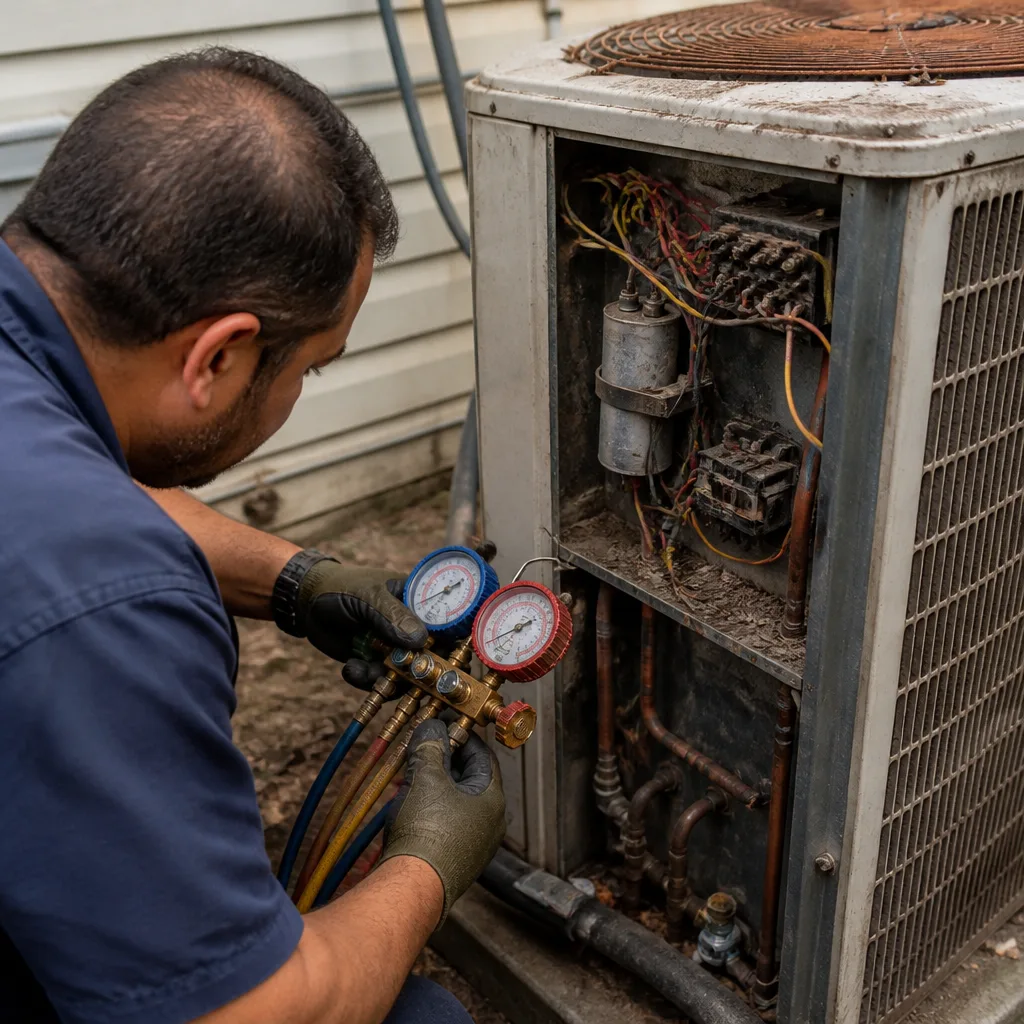 Before
 After
After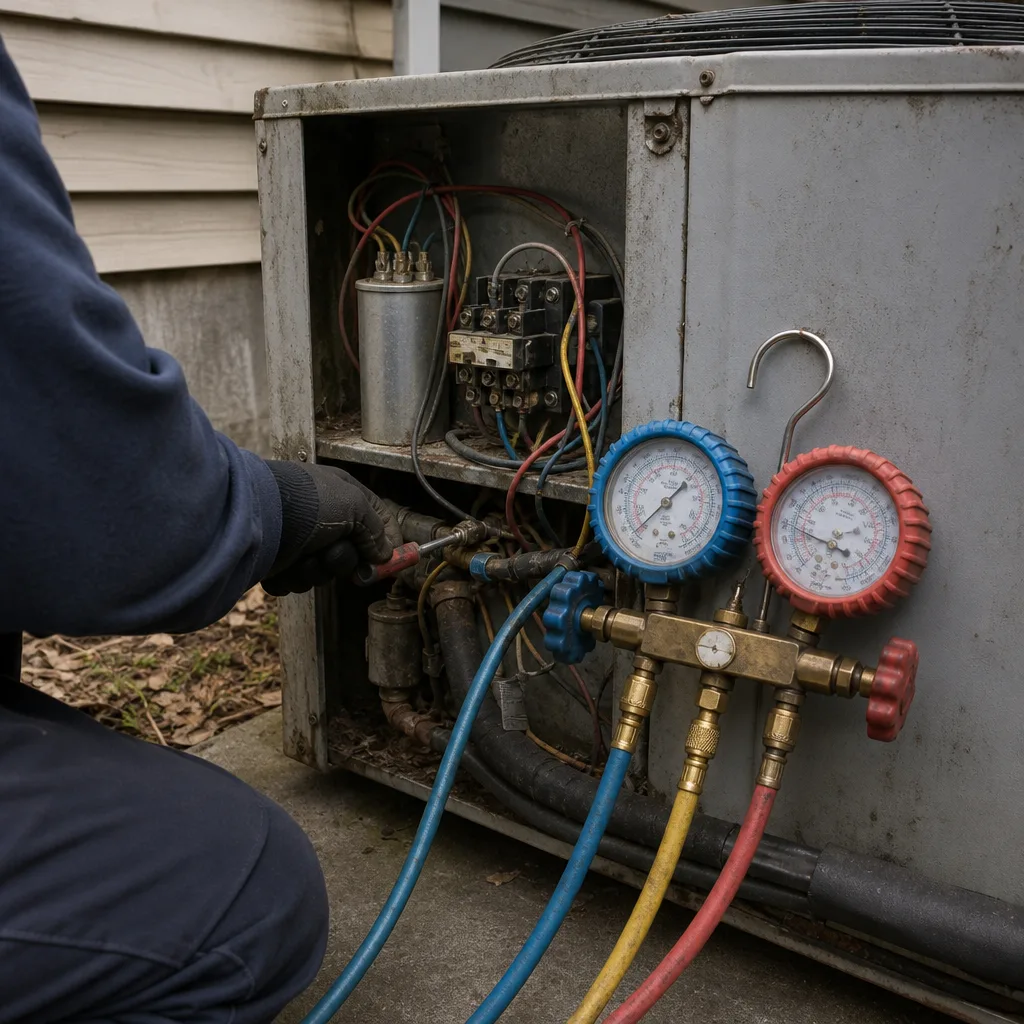 Before
 After
After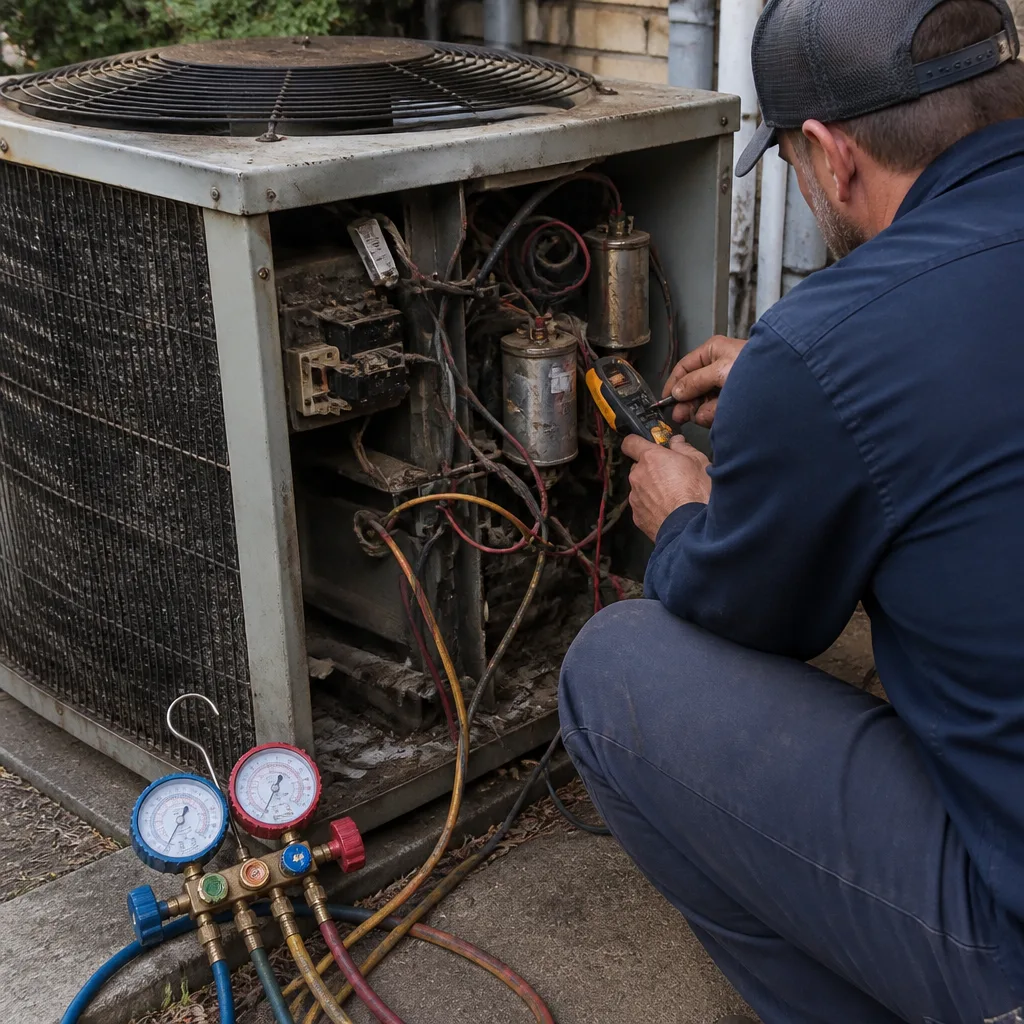 Before
 After
After