
 AC repair
 Furnace & heating
 Heat pumps
 Ductless mini splits
 Carrier
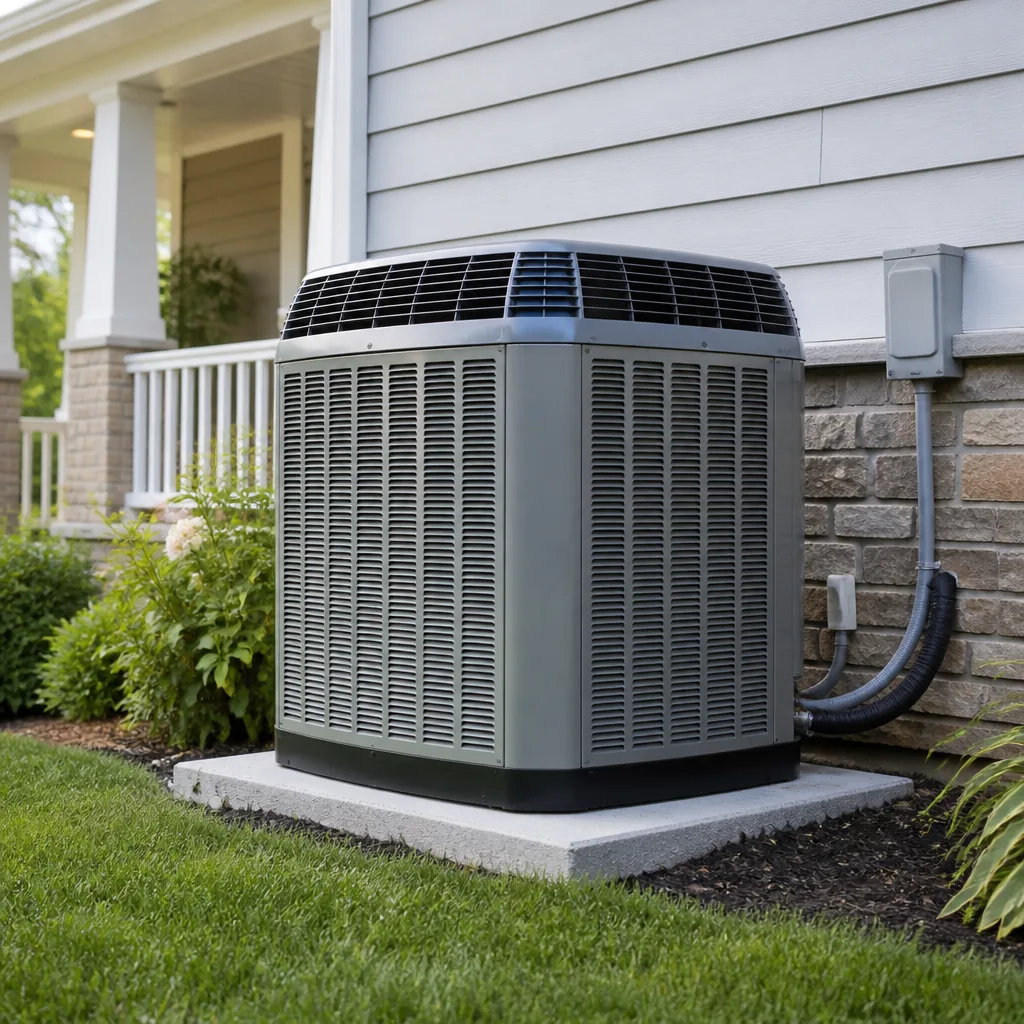 Trane
Trane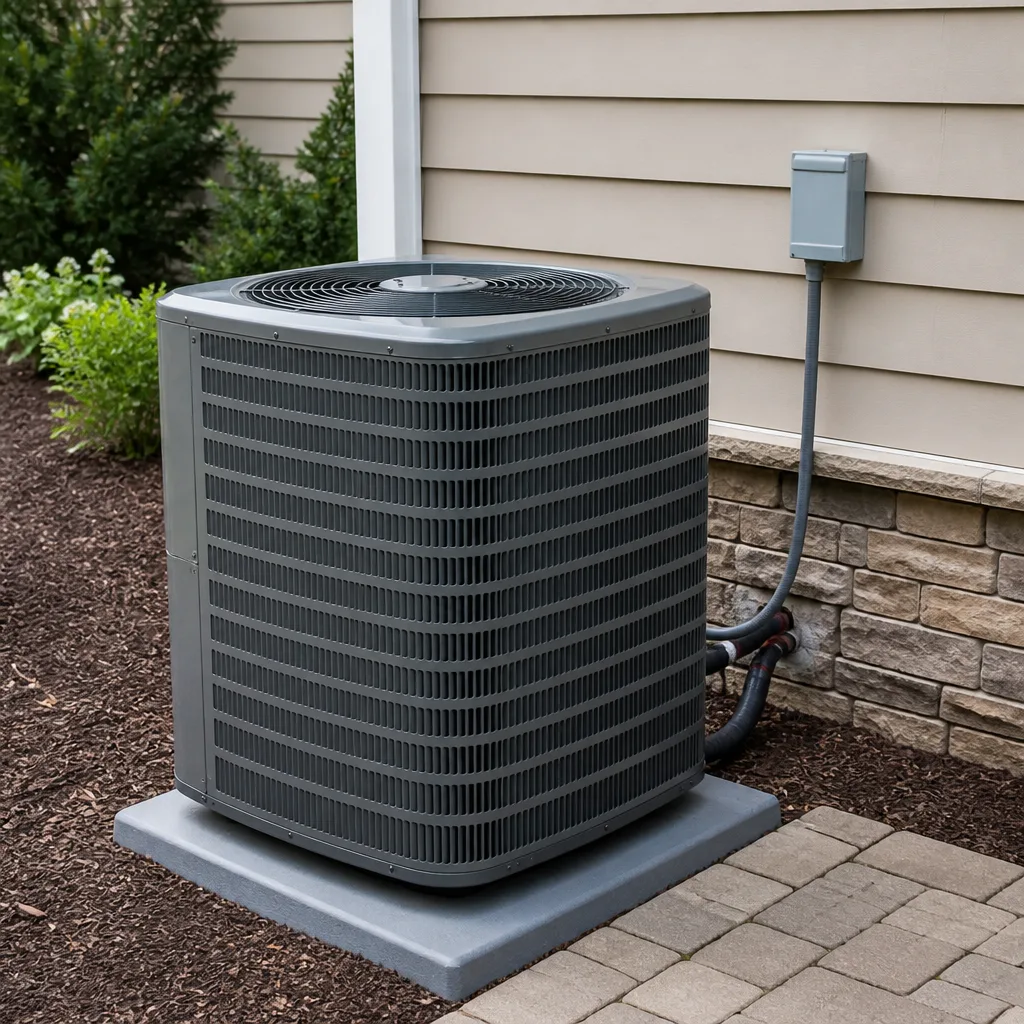 Goodman
Seasonal tune-up and full diagnostic on your Carrier, Trane, or Goodman system - readings shown to you before any repair is proposed
Diagnosis first, numbers second - you approve the repair price before a single part goes in.
Get your free estimateTrane Ductwork Repair: The Houston Owner’s Guide
We repair and replace Trane ductwork across the Houston metro, with most jobs running $350 – $1,800 depending on how much duct has failed and how hard it is to reach. Our trucks carry flex duct, metal connectors, mastic sealant, and insulation so many repairs are completed the same day you call. You’ll usually know something’s wrong with your ductwork before a technician confirms it – one room that never cools properly, dust showing up on furniture within days of cleaning, or a power bill that climbed for no obvious reason. Trane equipment is built to run well, but in Houston, ductwork in unconditioned attics can be sitting in 140-degree air for months at a stretch. That relentless heat, plus the humidity that settles into the attic every night, is what breaks down duct insulation, melts old tape seals, and eventually separates duct from plenum connections. When that happens, you’re paying to cool the attic, not the kitchen.
Cold Harbour Heating and Air Houston is an independent service provider. We’re not a Trane dealer and we don’t claim to be – but our technicians have been working on Trane equipment since 2003, and we keep the duct materials and connectors sized for Trane air handlers in stock on the truck.
Which Trane Ductwork This Applies To
Ductwork isn’t model-specific the way a control board or blower motor is, but the connection points and sizing certainly are. Trane air handlers and furnaces have specific supply plenum dimensions depending on whether you’re running a TAM9, TEM6, or older XR and XL series air handler. The takeoff collars, plenum boxes, and flex duct we install get matched to your plenum’s actual opening size rather than whatever is cheap at a supply house. One compatibility gotcha we run into regularly: Trane systems in Houston homes built in the 1990s and early 2000s often used 3.5-ton air handlers paired with return duct sized for 3 tons. The previous installer either didn’t run a load calculation or reused the old duct, and the system has been starved for air. If you see the label on your indoor unit and it says 3.5 or 4 tons, and your return grille looks undersized, that mismatch is worth having looked at before you spend money replacing what’s actually working.
As for OEM versus aftermarket: Trane doesn’t make its own flex duct. Duct materials come from manufacturers like Atco, JP Lamborn, and others that supply the entire industry. What matters is the R-value rating of the insulation, the diameter, and how the joints are sealed. In Houston’s attic heat, we won’t install anything below R-6 flex duct, and for homes with attics that truly cook, R-8 is the better call. That’s one of those decisions we’ll show you on the written estimate before any work starts, not after we’ve already cut into the old duct.
Styles & brands we work with
Signs Your Trane Ductwork Is Failing
- Rooms that never reach the thermostat setting. A duct has separated or collapsed somewhere along the run. The air is leaving the Trane air handler at the right temperature – it’s just not arriving where you set the thermostat.
- Dust accumulation that returns within days. This usually means a return duct has a leak pulling attic air and attic dust into the system before it even hits the filter. You’re not just cooling the house; you’re circulating whatever’s between the rafters.
- A musty or stale smell when the AC first kicks on. Condensation on undersized or poorly insulated duct can collect and mix with attic dust. That’s mildew forming on the outside of duct, and it gets pulled into the return when the blower starts.
- Your electric bill jumped 20 – 30% year over year with no change in usage. The system is working longer cycles to satisfy the thermostat because supply air is escaping into the attic. Victor sees this on calls throughout Houston’s older subdivisions, where original duct tape seals from the 1980s have long since dried and cracked.
- Whistling or hissing at the return grille. A duct leak on the return side will pull air through the path of least resistance, and that produces a high-pitched sound at grille edges and filter racks. It’s often mistaken for a blower problem when it’s actually a duct problem.
See the difference
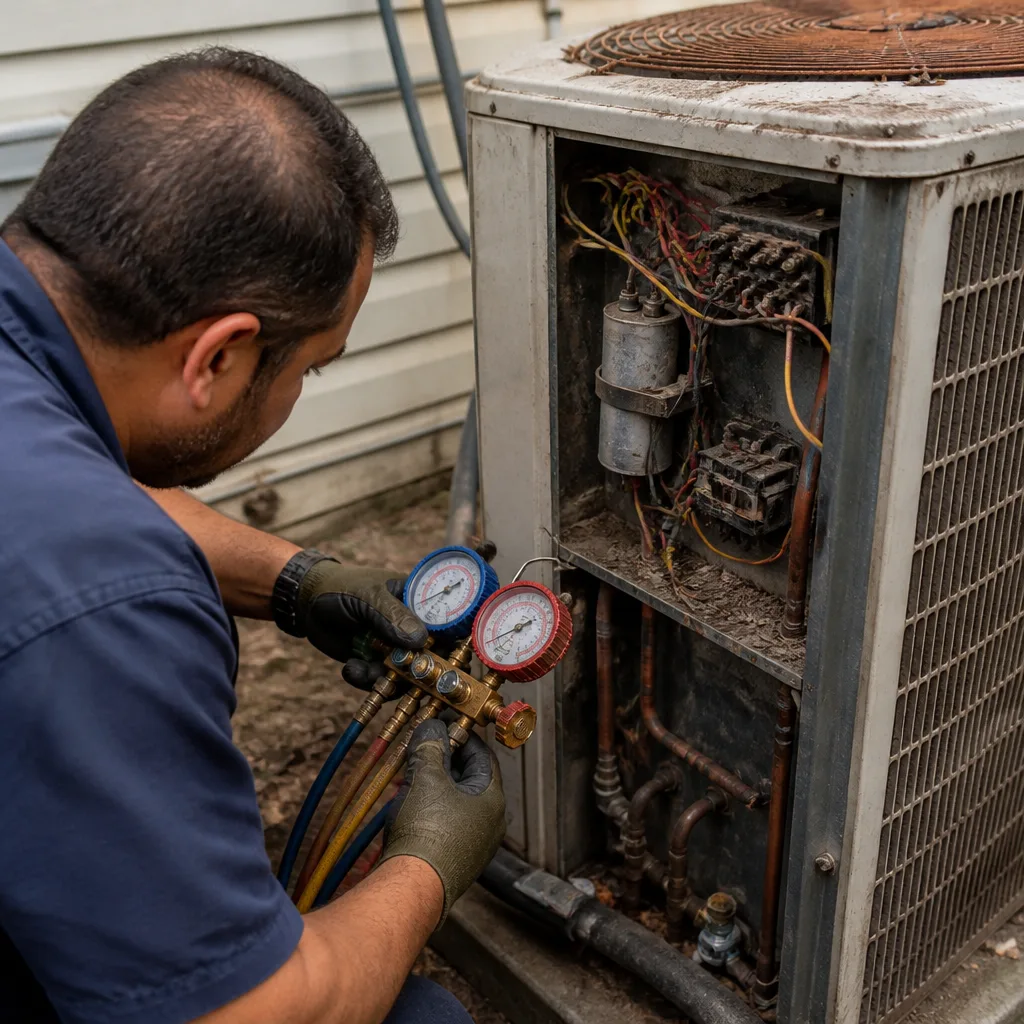 Before
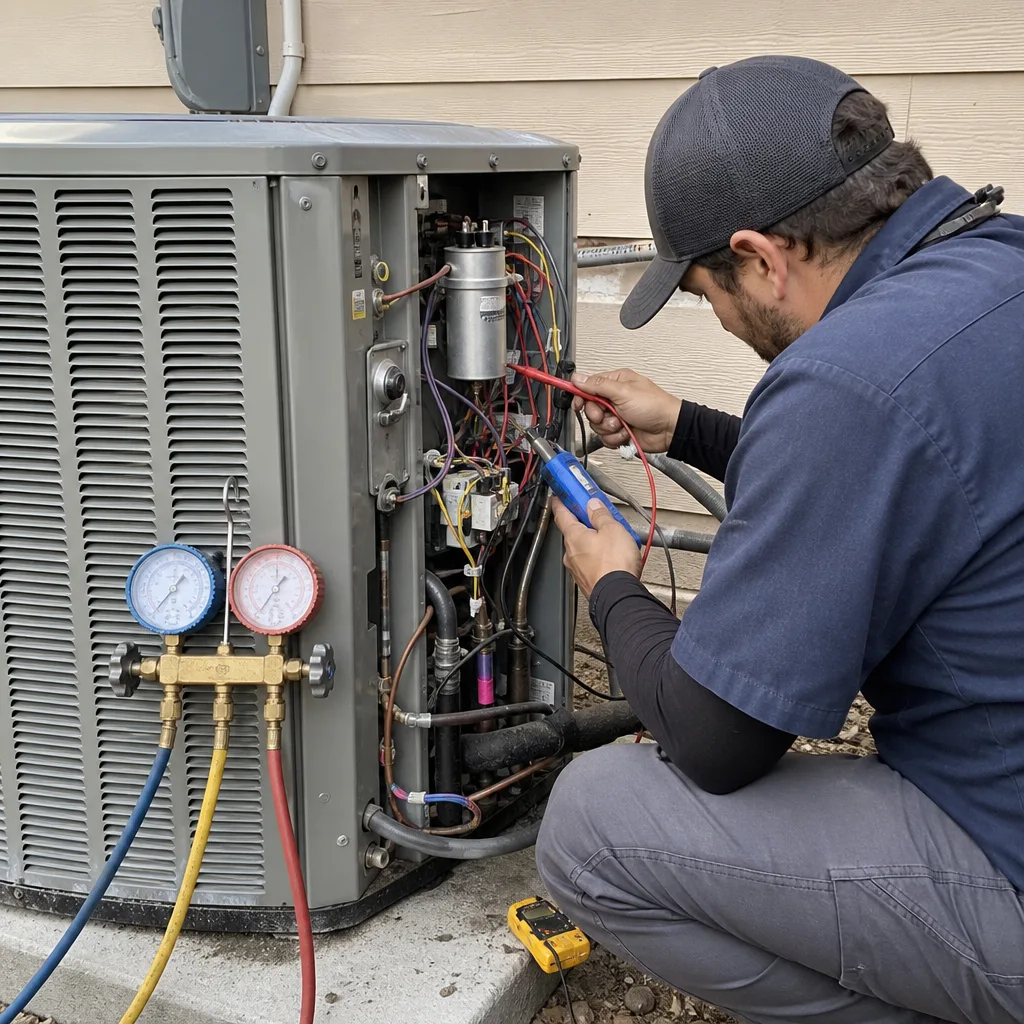 After
After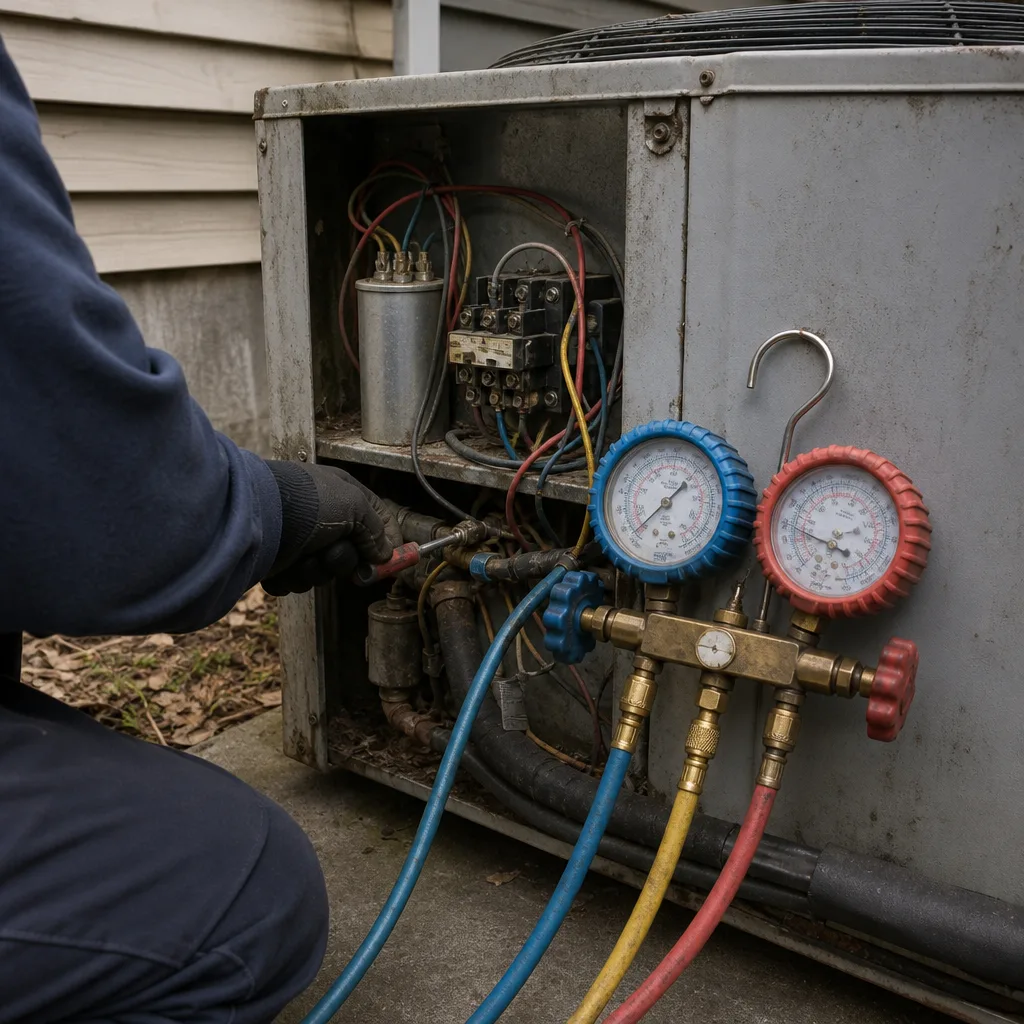 Before
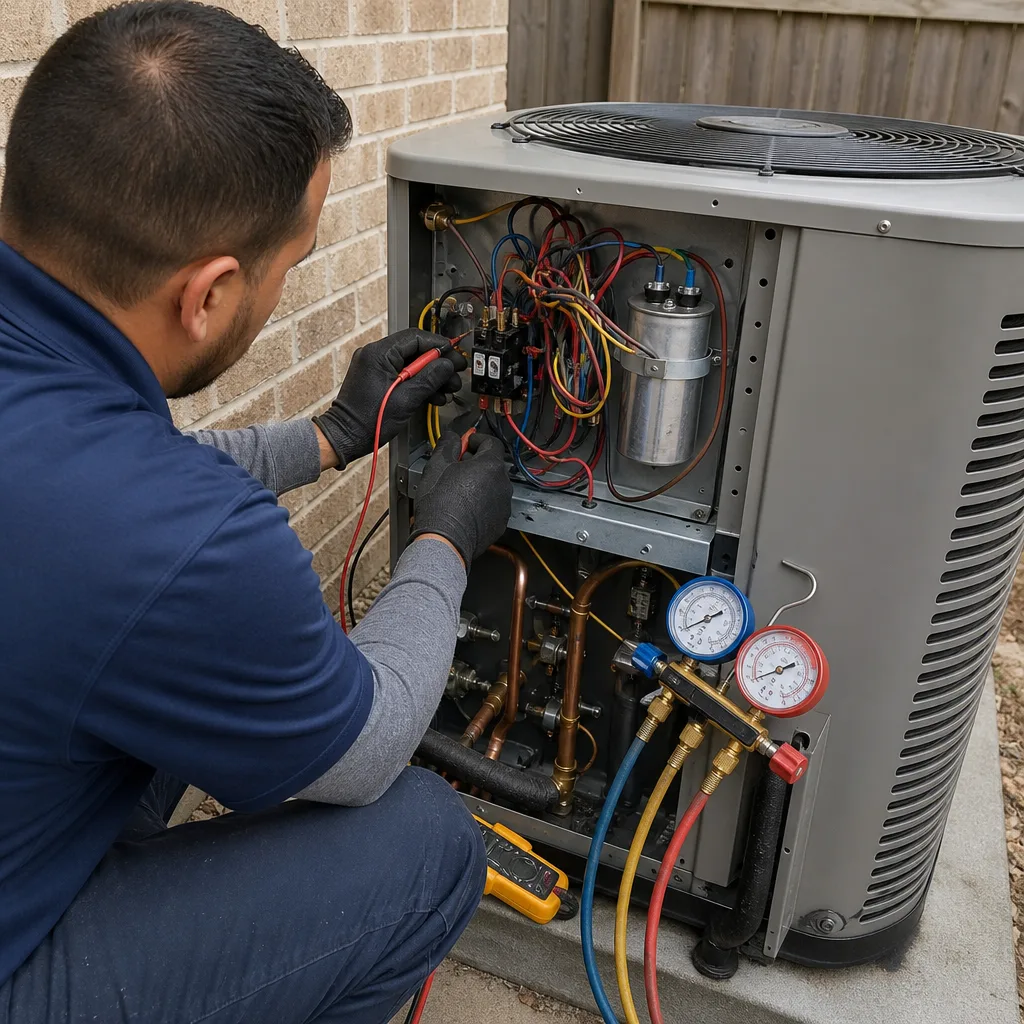 After
After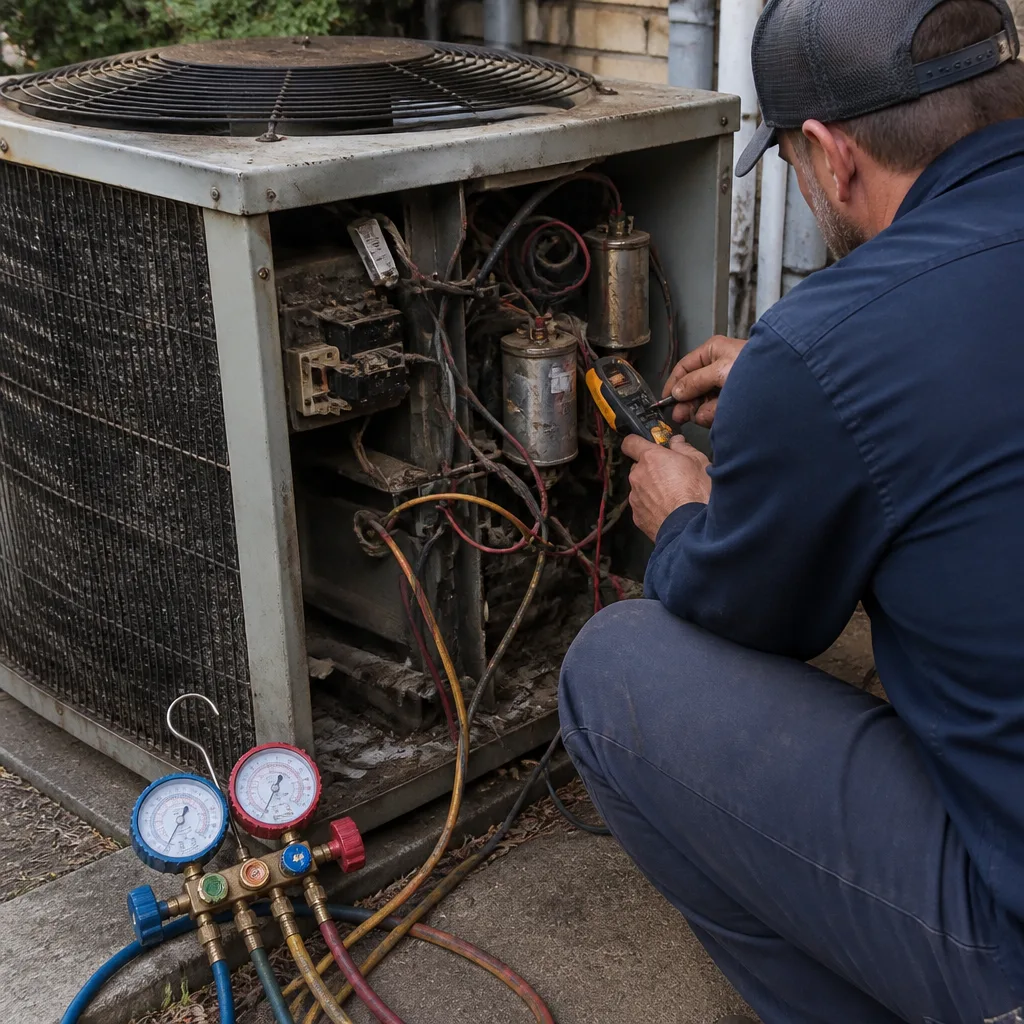 Before
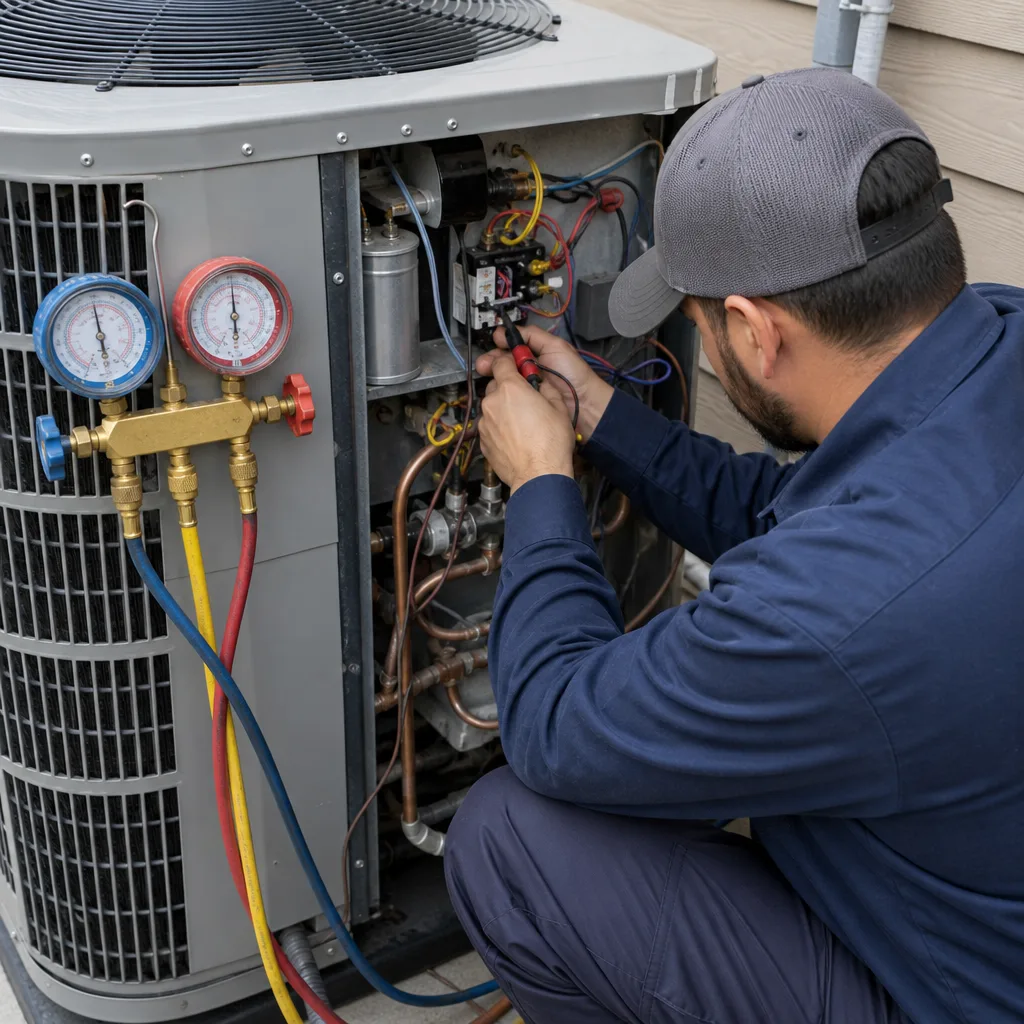 After
AfterReplacement Cost & What’s Included
Here’s what honest Trane ductwork repair runs in Houston right now. The final number depends on how much duct needs to go and how accessible your attic is.
- Small repair (one run, collar, or plenum re-seal): $350 – $600
- Moderate repair (2-4 runs, new collars, mastic sealing): $600 – $1,200
- Major repair (replacing return or supply plenum, 5+ runs): $1,200 – $1,800
Every repair cost we give in Houston includes the duct material, new takeoff collars where needed, mastic sealant (never duct tape – it fails in attic heat), new strapping so the duct has proper support, and our labor to verify airflow at the register when the job is done. You get the written price before a single tool comes out, and that price doesn’t change at the door. The repair is covered by our 365-Day Done Right Promise. If the duct separates again or the airflow readings drop within a full year, we come back and fix it at no charge. That guarantee is written down and handed to you, not left as a verbal promise.
DIY or Call Us?
Ductwork repair is one of the safer HVAC jobs a Houston homeowner can tackle for small, visible problems: reconnecting flex duct at a register boot, re-attaching a grille that’s come loose, or re-taping an accessible joint with foil tape (never gray cloth tape). What we’d strongly caution against is anything requiring you to go into a Houston attic in July. Attic temperatures regularly exceed 130 degrees here, and heat exhaustion can hit faster than most people expect. We see homeowners who climb up there for a “quick fix” and come back down twenty minutes later drenched and unwell. For anything beyond visual inspection and minor re-connections, call (832) 371-9862. We’ll send a technician who does this every week and who carries the materials to finish the job the same day.
There’s also a safety angle that doesn’t get discussed enough: a return duct leak pulls air from your attic, and if you have any gas-fired equipment up there (a furnace, or a gas water heater), that air can carry products of combustion into your living space. That’s not a DIY problem to solve by feel. That’s a measurement and sealing job for someone with a combustion analyzer and the training to use it.
FAQs
In Houston’s climate, flex duct insulation typically lasts 15 – 20 years before the outer vapor barrier degrades and the insulation turns brittle. Metal ducts and plenums last much longer, but their seals and tape joints fail on the same 15 – 20 year schedule. If your home was built before 2005 and the ductwork has never been touched, you’re likely overdue for an inspection and at least partial replacement. Call (832) 371-9862 and we’ll schedule a time that works for you.
Yes, and we do it regularly. Small holes, separated collars, and failed tape joints can be repaired with mastic sealant, new collars, and foil tape. Replacement only makes sense when the flex duct has collapsed internally, the insulation is saturated from condensation or roof leaks, or the duct sizing was wrong from the start. We’ll show you what we found and let you decide before any work is approved.
Most repairs run two to four hours. A single run replacement with a new collar and proper sealing usually takes about an hour once the technician is in the attic. More involved jobs – replacing a return plenum or re-running several supply lines – can take a full day. We’ll give you a firm arrival window and a realistic time estimate before the work begins.
Yes. We stock common sizes of R-6 and R-8 flex duct, takeoff collars in the standard Trane plenum diameters, mastic sealant, foil tape, and strapping. For most repair calls, everything we need is on the truck when we arrive. If your system needs a custom plenum or unusual duct size, we’ll measure, order it, and return with a written fixed price and a set date.
Written by Victor Mancini, Owner & Lead HVAC Technician, Cold Harbour Heating and Air Houston at Cold Harbour Heating and Air Houston, serving Houston and nearby areas.