
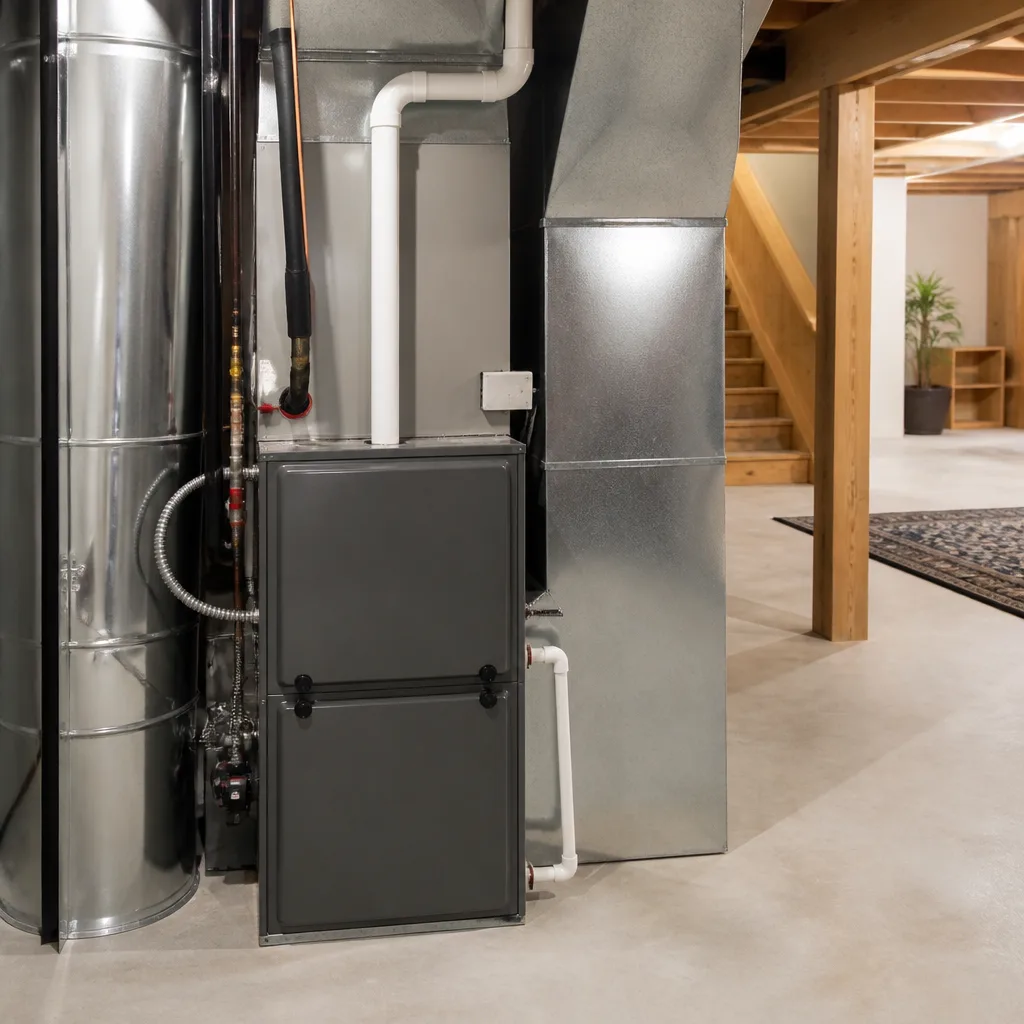
 Furnace & heating
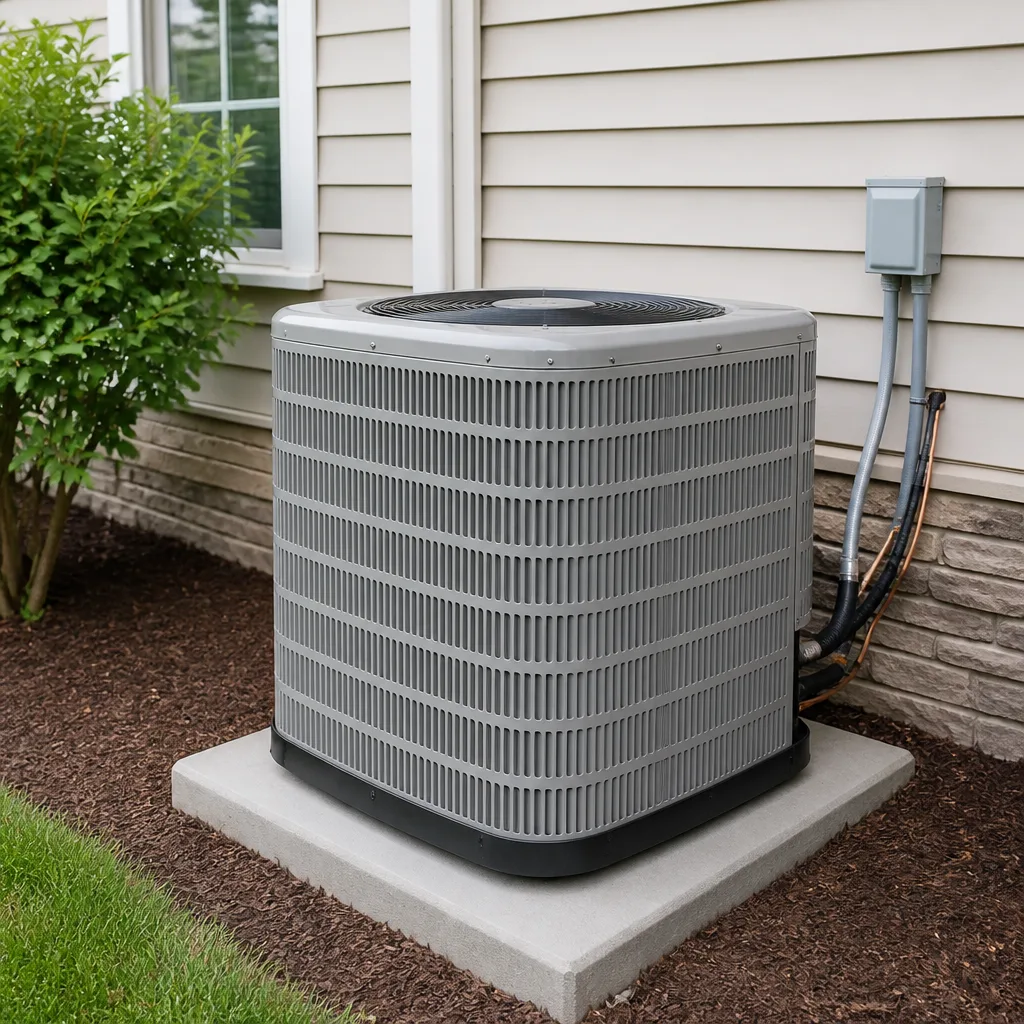 AC repair
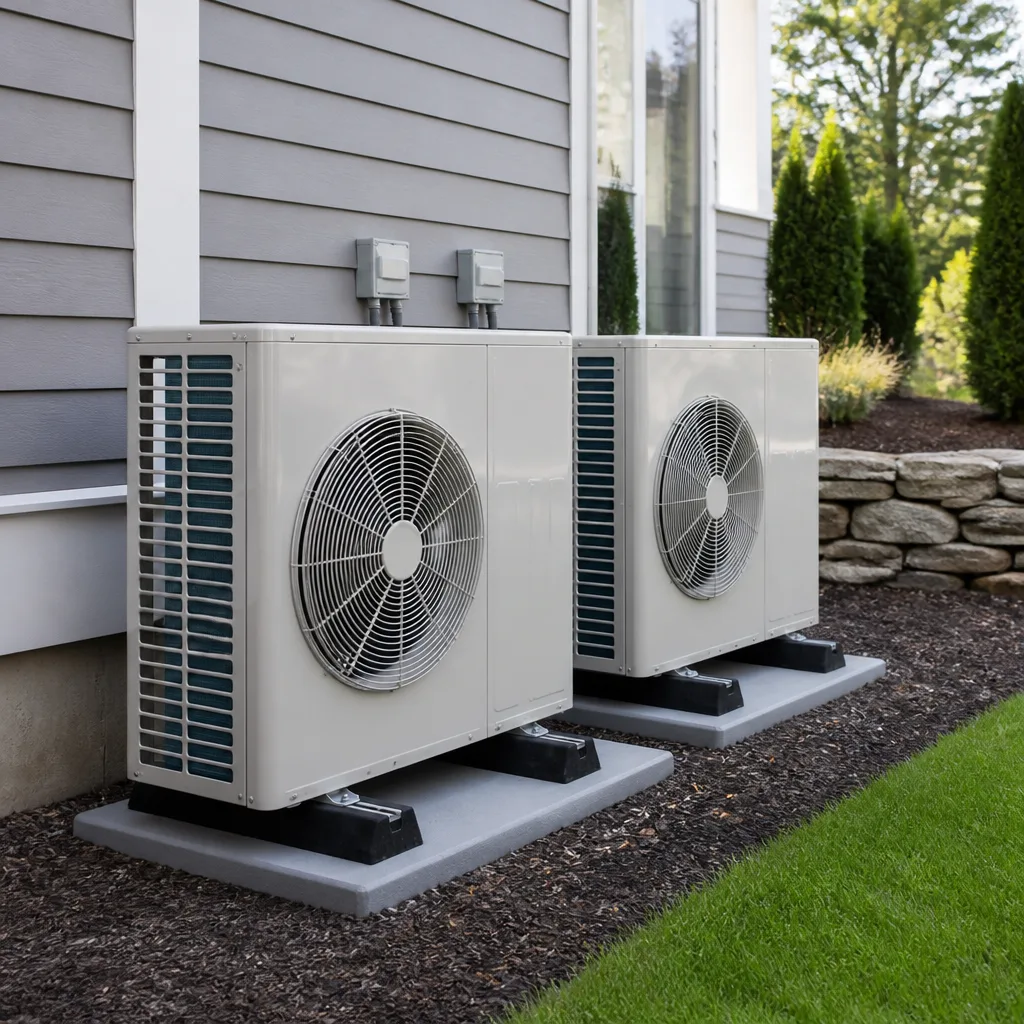 Heat pumps
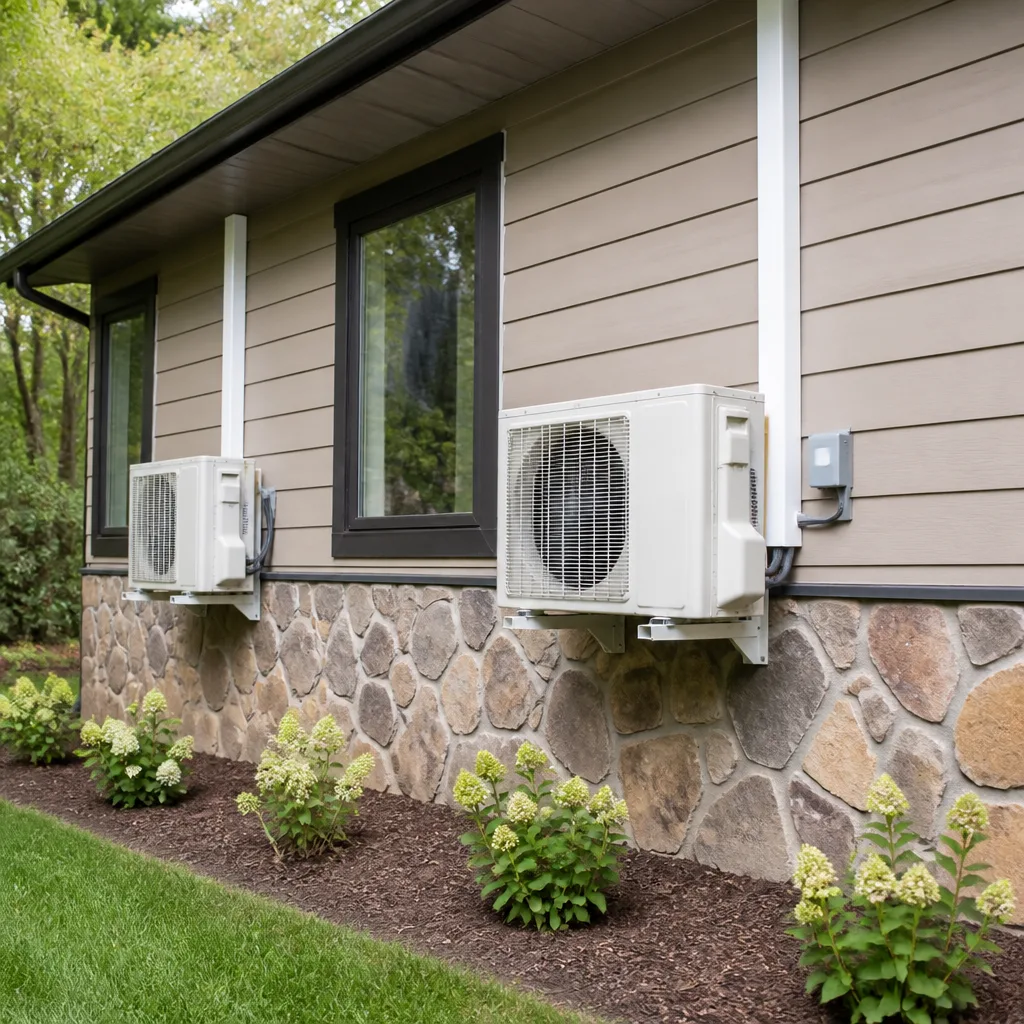 Ductless mini splits
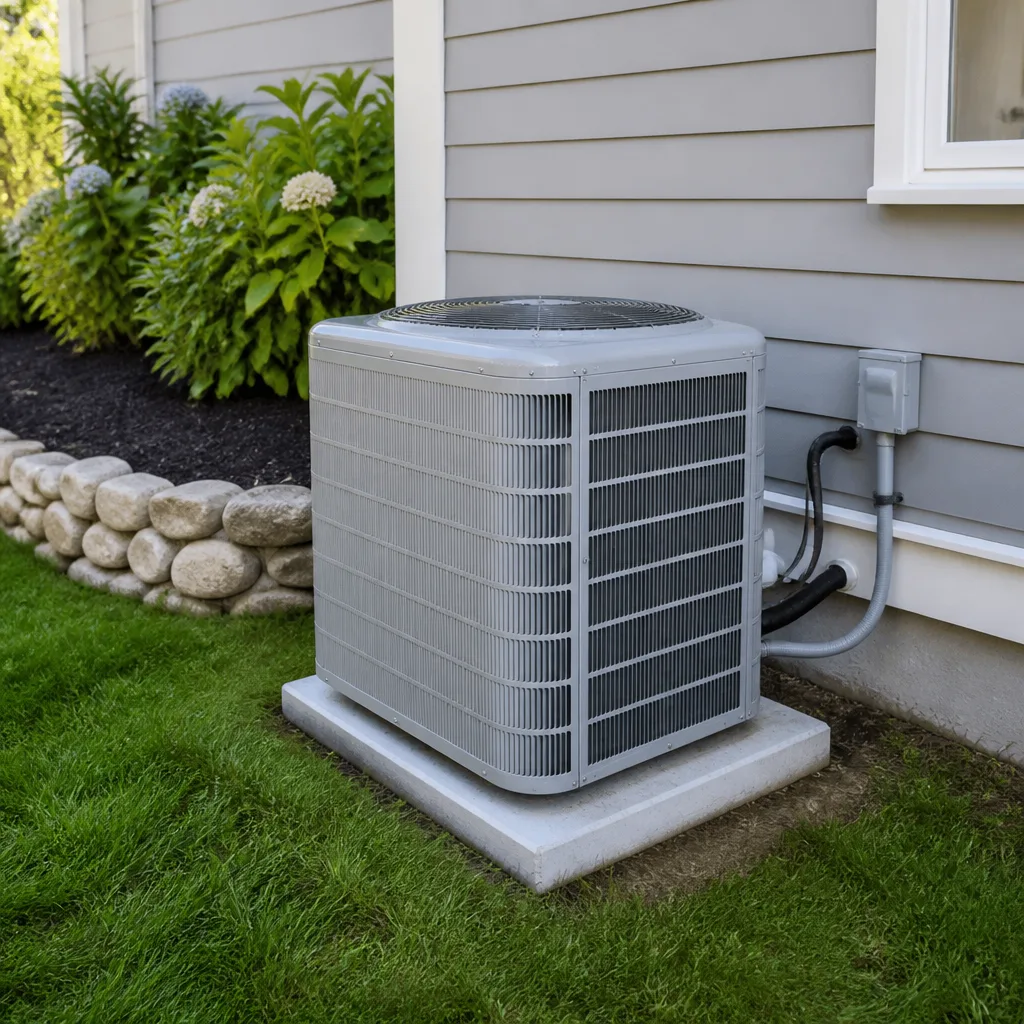 Carrier
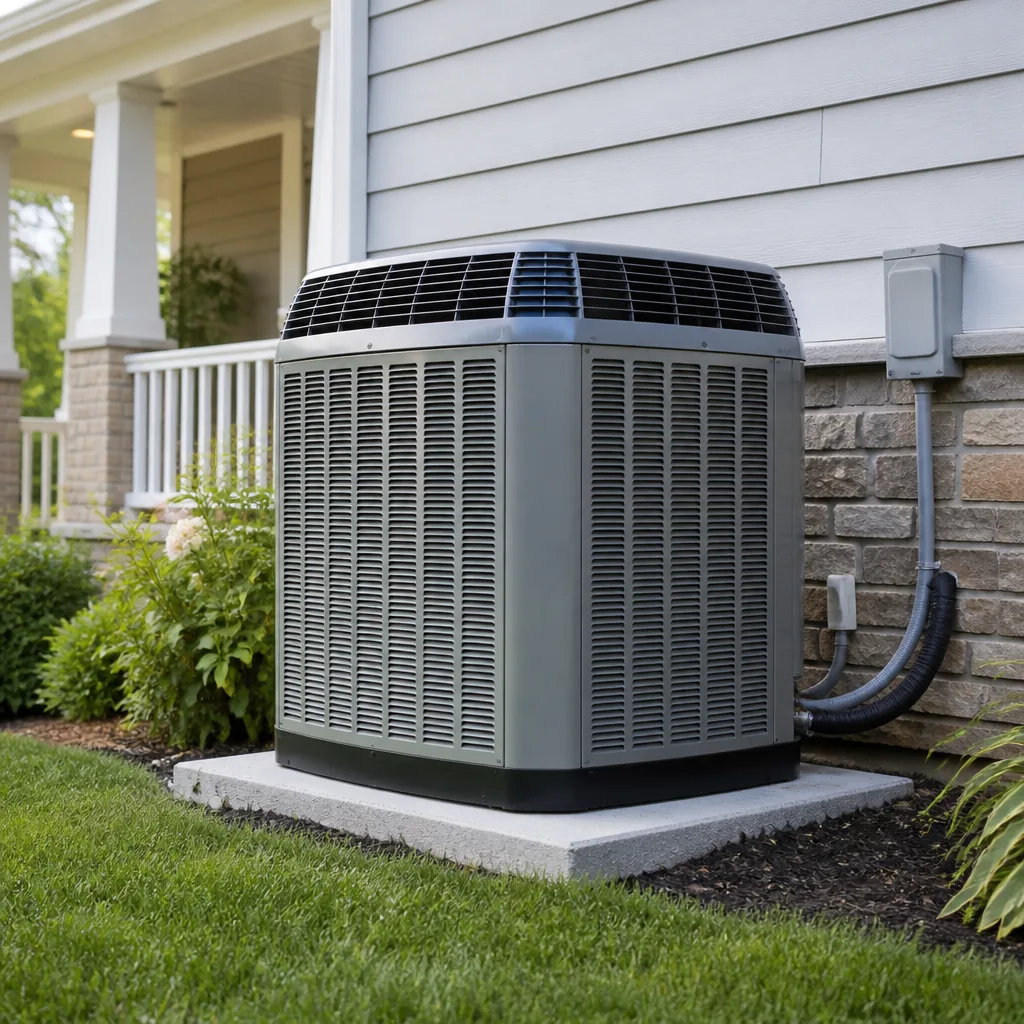 Trane
Trane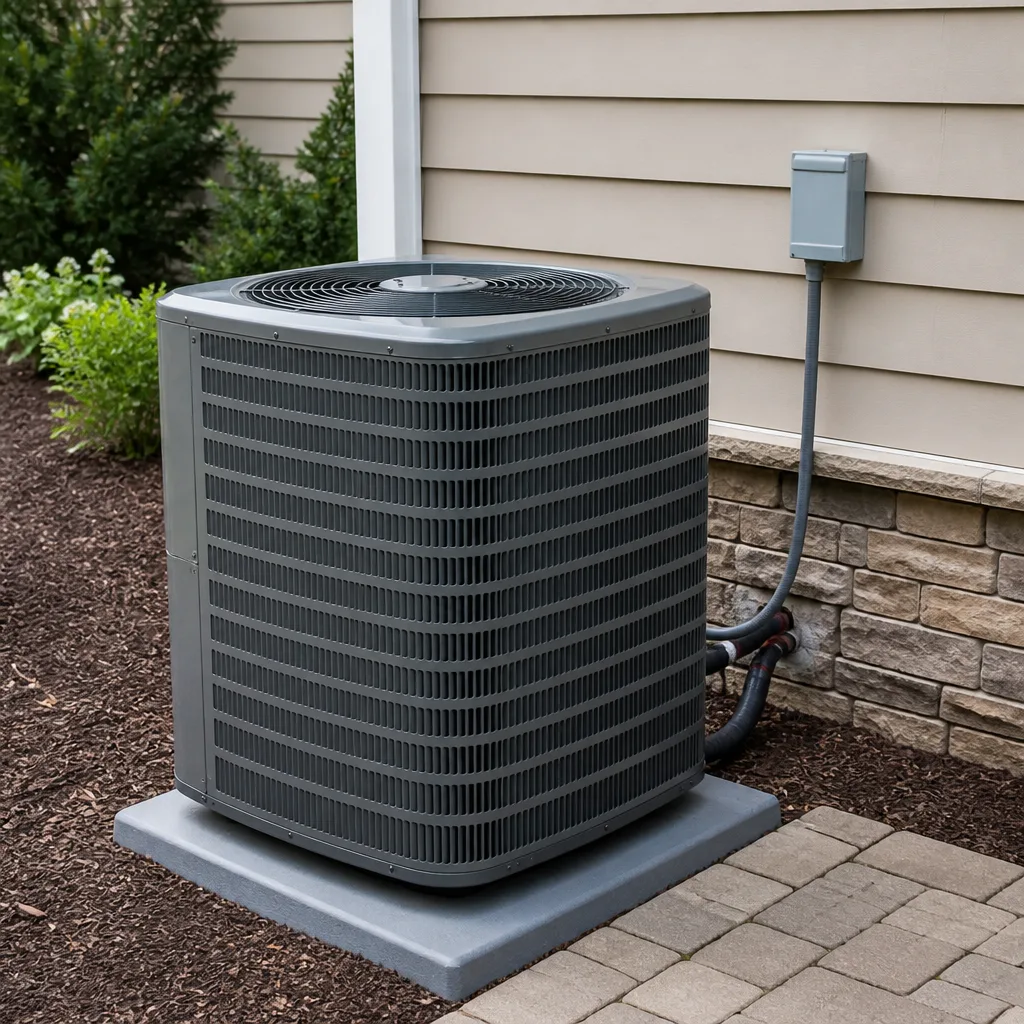 Goodman
Seasonal tune-up and full diagnostic on your Carrier, Trane, or Goodman system - readings shown to you before any repair is proposed
Diagnosis first, numbers second - you approve the repair price before a single part goes in.
Get your free estimateTrane Capacitor Replacement: The Houston Owner’s Guide
We stock and install Trane-compatible capacitors across Greater Houston, with most replacements running $150 – $320 parts and labor included, and our technicians can usually get to you the same day you call. A failing capacitor typically announces itself with a hard-starting compressor, a condenser fan that won’t spin, or a system that hums but never kicks on. If your Trane is short-cycling, tripping the breaker, or blowing warm air on a Houston afternoon, this is the part that’s usually behind it.
The capacitor is the starter battery of your AC: it stores the electrical jolt needed to get the compressor and fan motor turning. Houston heat is hard on these parts. They bake in attic-mounted and rooftop condenser conditions, and when they fail, the whole system stalls. The good news: it’s one of the most straightforward fixes we do, we carry the common Trane values on the truck, and we put the price in writing before a single tool comes out.
Which Trane Models This Applies To
Trane uses two capacitor types across its residential lines. Most XR13, XR14, XR15, XL16i, and XB-series condensers built in the last 15 years use a dual-run capacitor, typically 35/5 or 40/5 MFD (microfarad) at 370 or 440 volts. That single cylinder handles two jobs: one half starts the compressor, the other half starts the condenser fan motor. Older XE and XL units and some heat-pump defrost boards call for a single capacitor instead, usually 5 to 10 MFD, wired to one motor only.
The gotcha: you can’t judge a Trane capacitor by brand name alone. The label on the side of the cylinder lists the MFD value, the voltage rating, and a shape code, round or oval. Installing a 35/5 370v where a 40/5 440v belongs will run the compressor too hard and shorten its life. We match by the label on the existing part and confirm against the model number on the condenser data plate before anything gets disconnected. On OEM versus aftermarket: Trane-labeled capacitors come from the same factories that supply the major HVAC parts distributors, and a quality USA-made or Mexican-made aftermarket unit typically runs $10 – $25 less for the part itself. What matters more than the label is matching the value exactly and using a capacitor rated for outdoor use in Houston humidity.
Styles & brands we work with
Signs Your Trane Capacitor Replacement Is Failing
- The outside unit hums but the fan doesn’t move. The compressor may be pulling power, but the capacitor can’t deliver the voltage spike needed to spin the fan motor. This is the classic dead-capacitor sound, and it means you’re cooking the compressor the longer it runs this way.
- The system short-cycles: it starts, runs two or three minutes, then shuts off. A weak capacitor can’t hold the circuit closed, so the unit starts, stumbles, and trips the same limit switch that’s protecting it from overheating. This is also how a failing part takes years off a compressor.
- The compressor won’t start at all. When the capacitor is completely open, there’s no start phase at all. The thermostat clicks, the contactor pulls in, and nothing else happens. This is normally the moment homeowners discover the part exists.
- The top of the capacitor looks swollen, split, or is leaking oil. Houston heat literally boils the dielectric fluid inside a failing capacitor. A bulged cylinder with oily residue at the terminal is a confirmed failure, not a suspicion.
- The breaker trips when the AC kicks on. A capacitor that is shorted rather than open will draw excessive current at start. The breaker is doing its job. We find this most often on older units around Sugar Land and Katy where the panel and the condenser are both aging.
See the difference
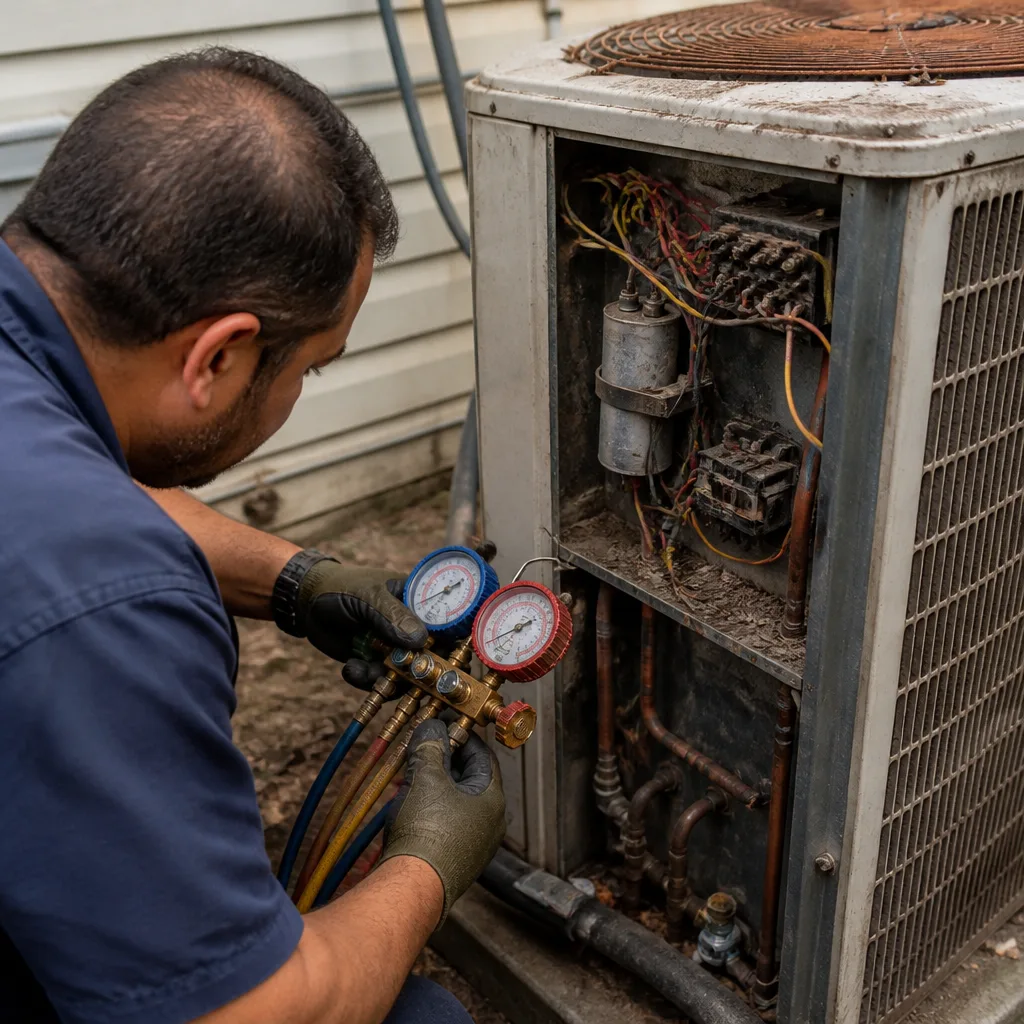 Before
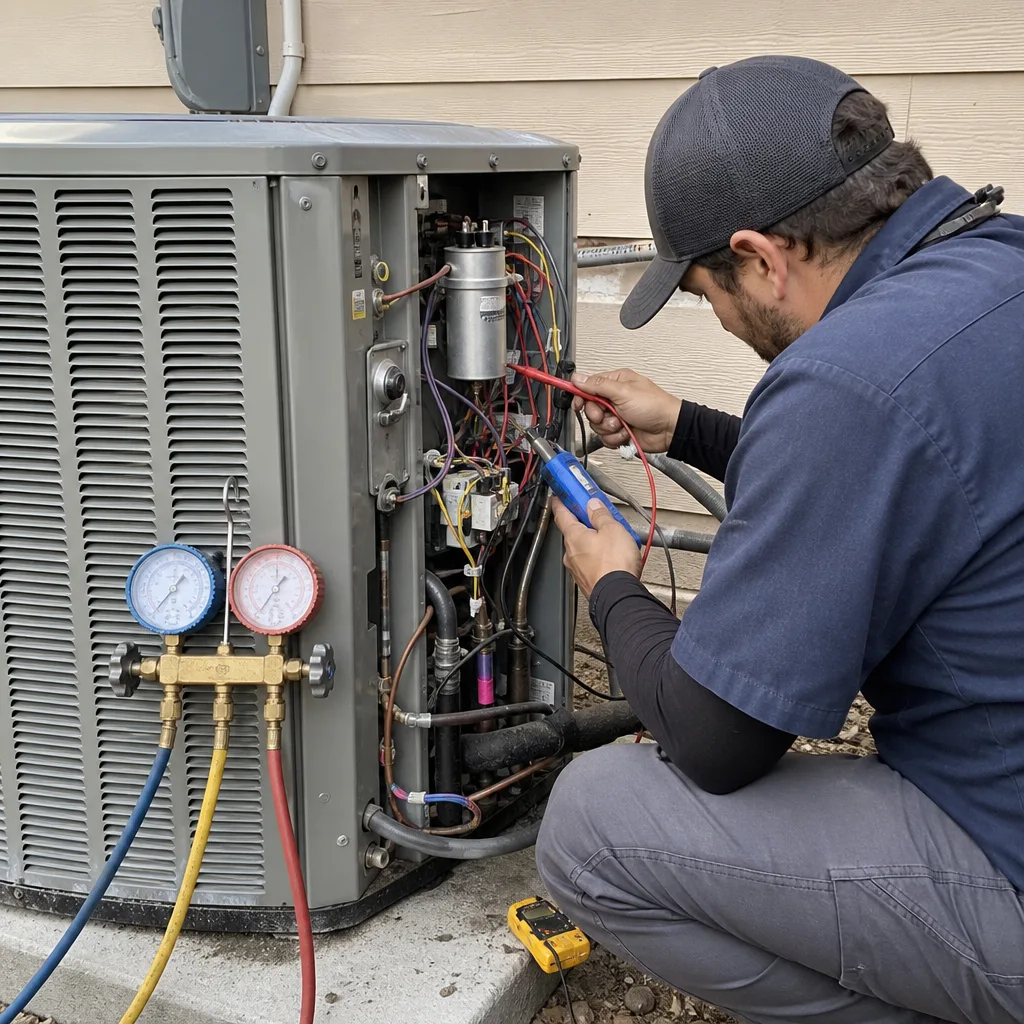 After
After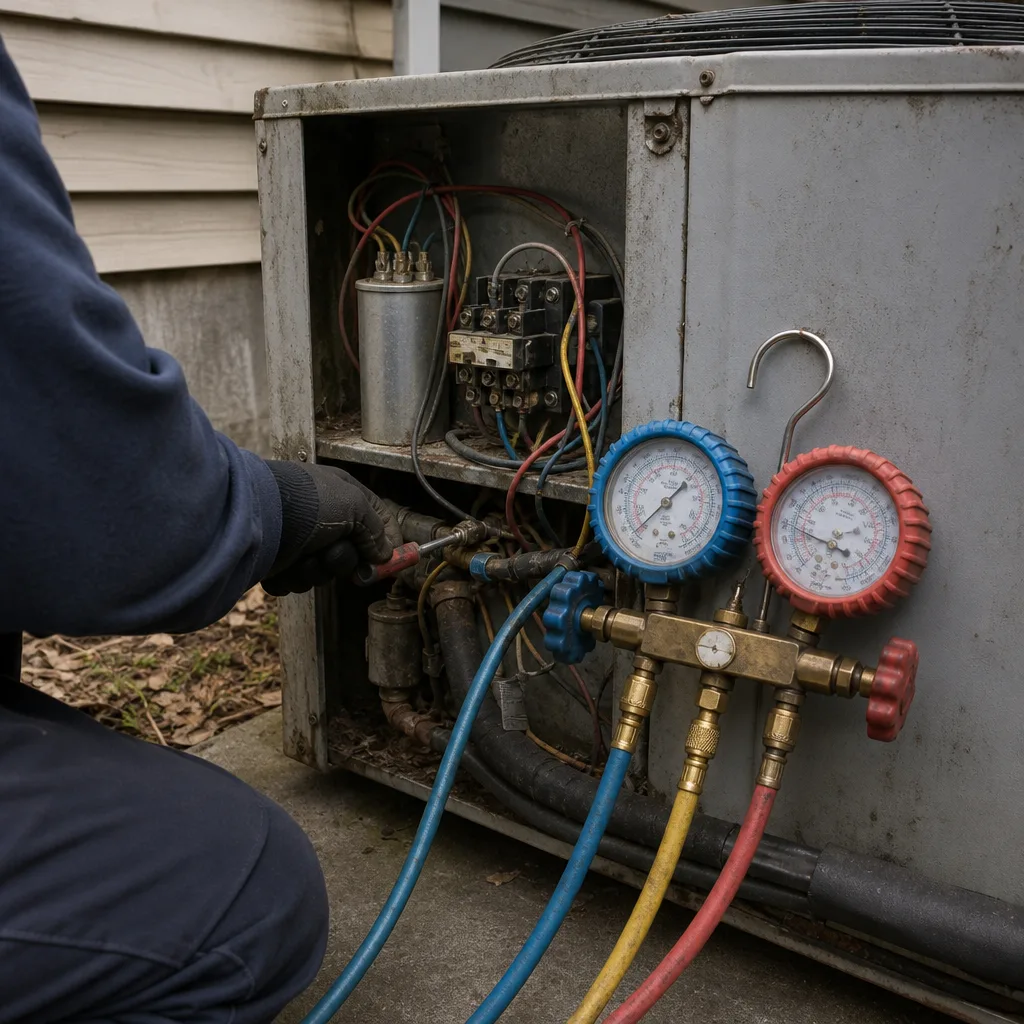 Before
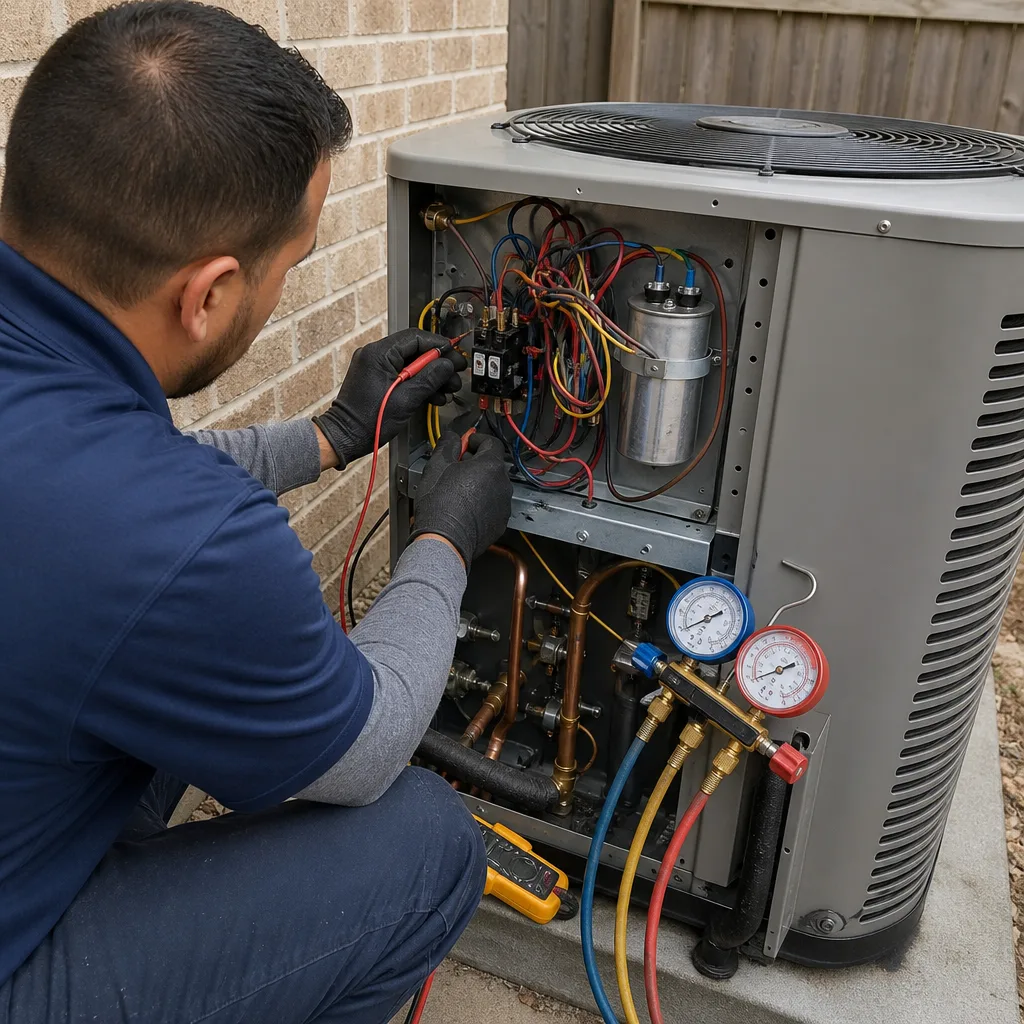 After
After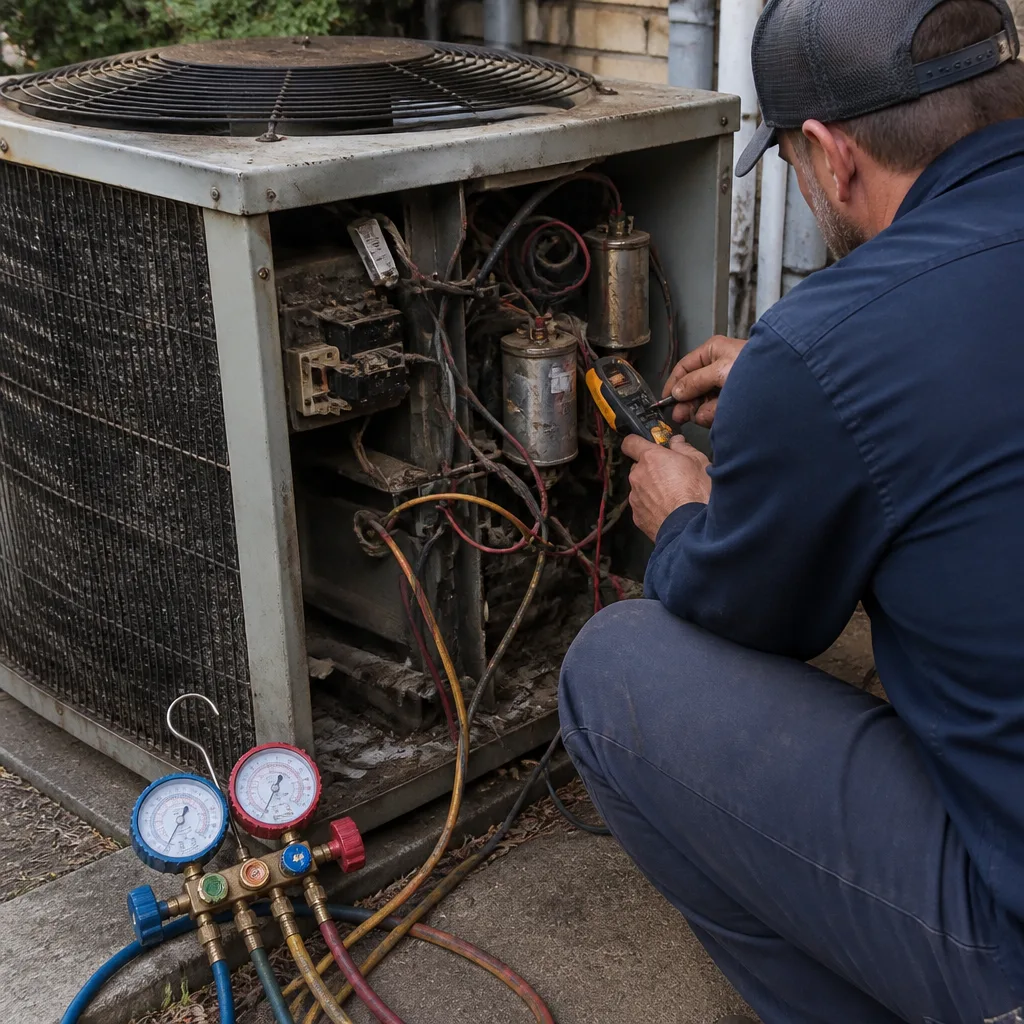 Before
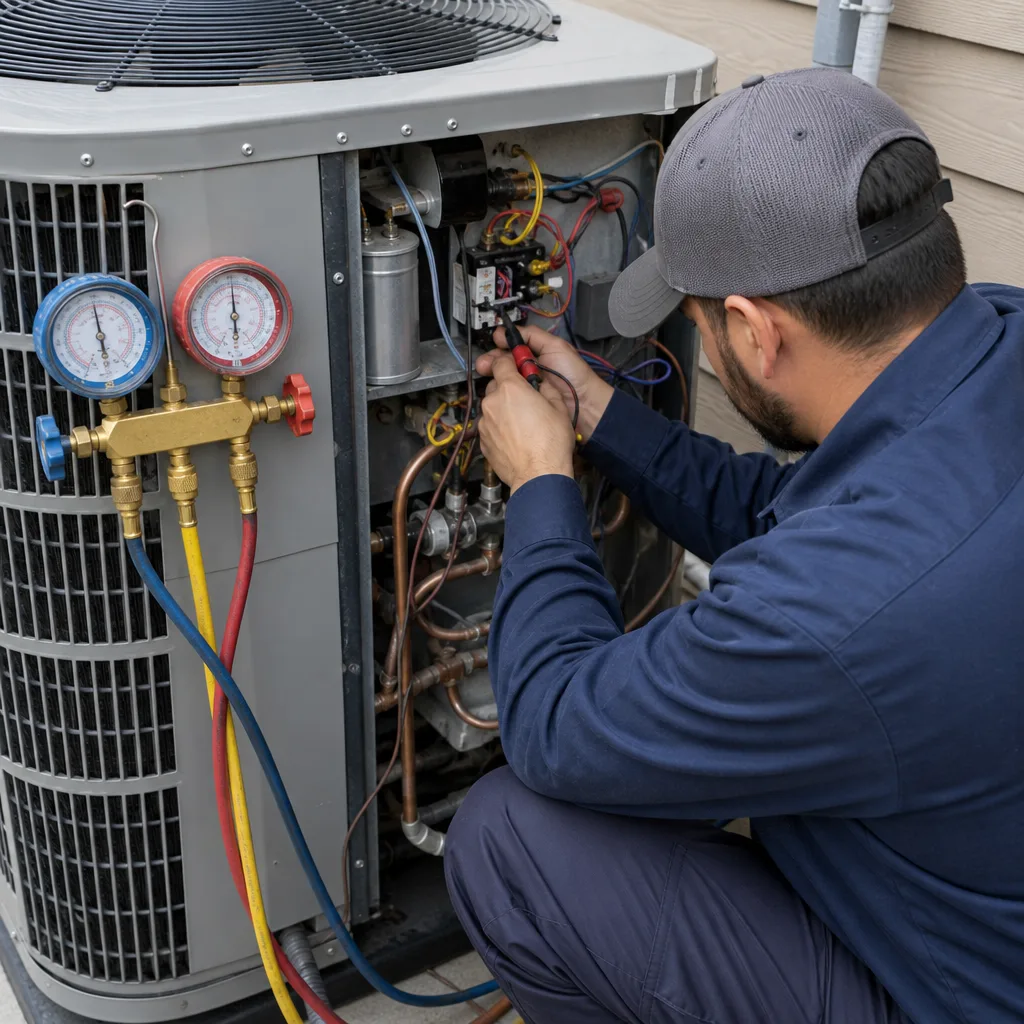 After
AfterReplacement Cost & What’s Included
Most Trane capacitor replacements in Houston run $150 – $320 installed. A single fan-motor capacitor on an older unit sits at the low end, usually $150 – $190. A dual-run capacitor on a modern Trane condenser, with the part marked up and labor included, typically lands between $225 and $320. The spread comes down to three things: the specific MFD/voltage value, whether we need an oval or round form factor, and how accessible the condenser panel is on your particular install.
The number on the written quote includes the capacitor itself, the service call, the diagnosis time, and the labor to remove the old part, wire the new one, test the system at start, and check the amp draw on both the compressor and fan motor. You will not see a separate diagnostic charge bolted on at the door. And like every repair we do, this one is covered by our 365-Day Done Right Promise: if the new capacitor fails within a year, we come back and replace it at no charge. That guarantee is written on the invoice, not just spoken in the driveway.
Key Takeaways
- Typical installed cost: $150 – $320, Houston market pricing, written before work begins.
- Same-day service available most days, including evenings after the peak heat passes.
- We stock common Trane values on every truck: 35/5, 40/5, 45/5, 370v and 440v, round and oval.
- Free estimate by phone. No surprise diagnostics charge.
- 365-Day Done Right Promise on every capacitor replacement, in writing.
DIY or Call Us?
Let’s be straight about the risk first. A capacitor stores enough voltage even after the breaker is off to stop a heart. The terminals will hold a charge anywhere from a few minutes to a few hours after power is cut. Our technicians discharge the old part with a resistor before touching the wiring, and we’d tell any homeowner to treat an un-discharged capacitor as live. Beyond the shock hazard, the wrong MFD value will run your compressor at the wrong phase angle until it fails, months or years early. The diagnostic step matters as much as the swap.
What you can safely do: confirm the thermostat is calling for cool, check the breaker, and tell us exactly what the outside unit is doing when the system tries to start. “Tell me what the system is doing and I’ll tell you exactly what it needs.” That’s Victor Mancini talking, and it’s how we work. One call to (832) 371-9862 gets you a live person, a straight quote for the repair, and a firm arrival window. If the system is in trouble, we’ll come today.
FAQs
A capacitor in Houston typically lasts 5 to 8 years. The constant cycling caused by 90-plus-degree days, attic heat soaking into the outdoor unit, and the humidity load on rooftop condensers all shorten that lifespan compared to milder climates. If you’re near the coast in League City or Clear Lake, salt air accelerates terminal corrosion too.
No, a capacitor is a sealed component and cannot be rebuilt or repaired. When the dielectric fluid breaks down or the internal plates short, the part is finished. Replacement is the only correct repair, which means matching the value and voltage rating on the side of the old cylinder.
Most capacitor swaps take 30 to 45 minutes from the time we arrive. The physical swap is 15 minutes; the rest is testing the start winding, confirming amp draw, and watching the system run through a full start cycle. You’ll hear the compressor kick on before we pack up.
Yes, our service trucks carry the most common Trane dual-run values and single capacitors, so in most cases the repair is done in one visit. Less common oval sizes or specific heat-pump defrost values may require a same-day run to our Houston parts supplier. Call (832) 371-9862 and we’ll let you know which situation you’re in before we even schedule the visit.
Written by Victor Mancini, Owner & Lead HVAC Technician, Cold Harbour Heating and Air Houston at Cold Harbour Heating and Air Houston, serving Houston and nearby areas.