
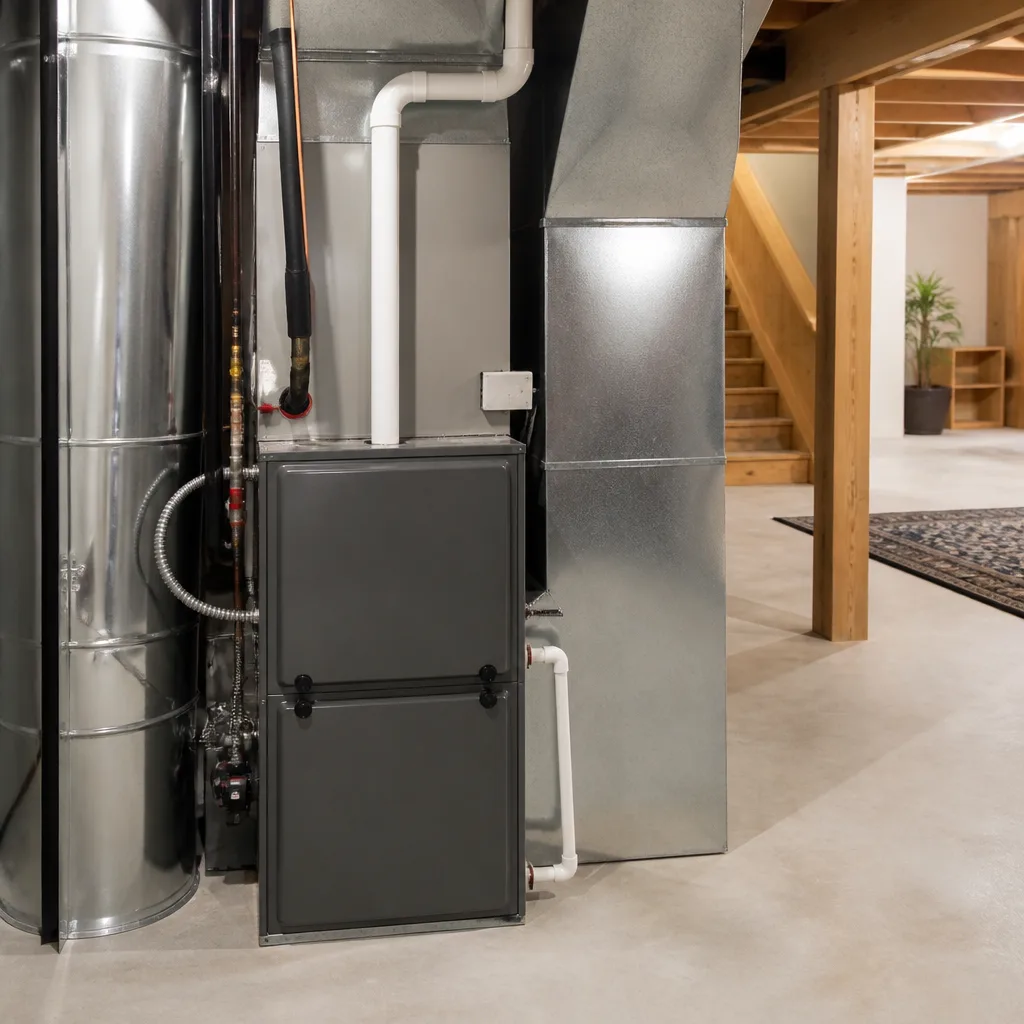
 Furnace & heating
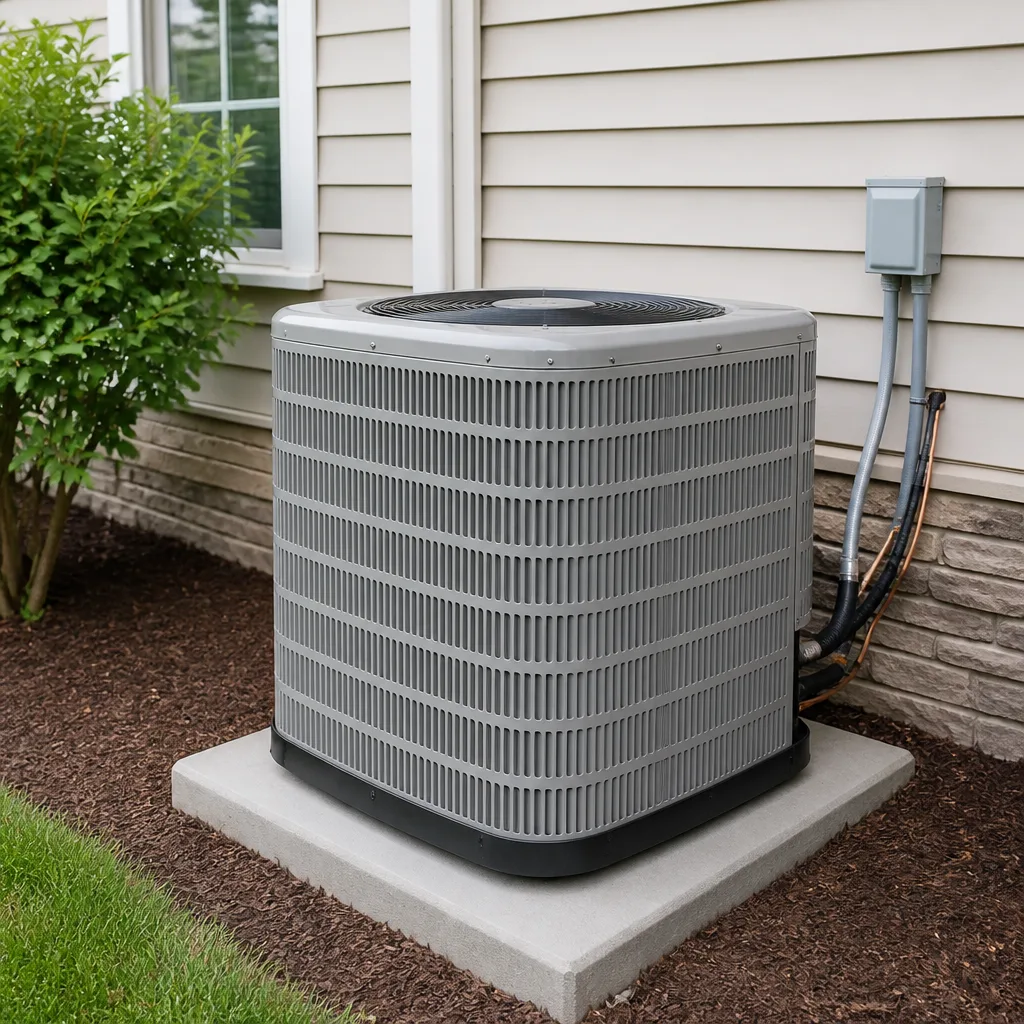 AC repair
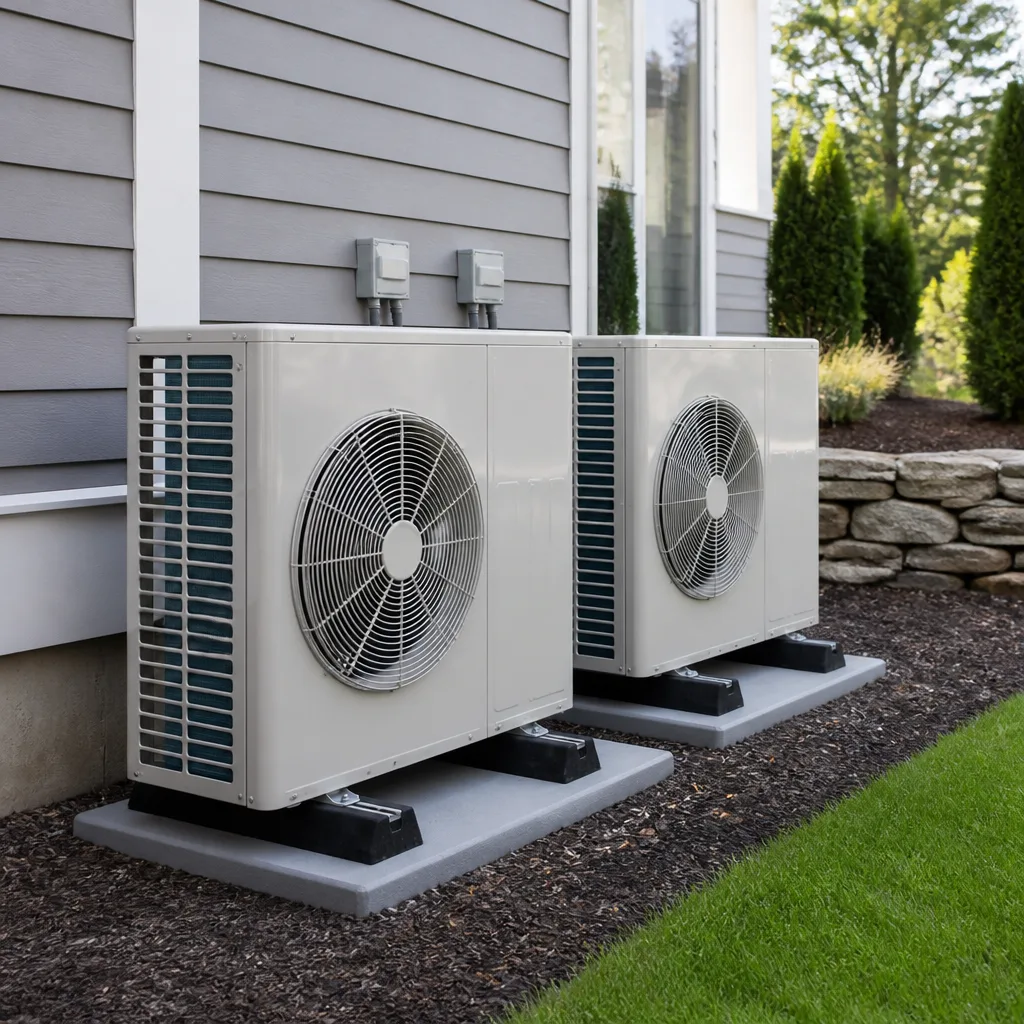 Heat pumps
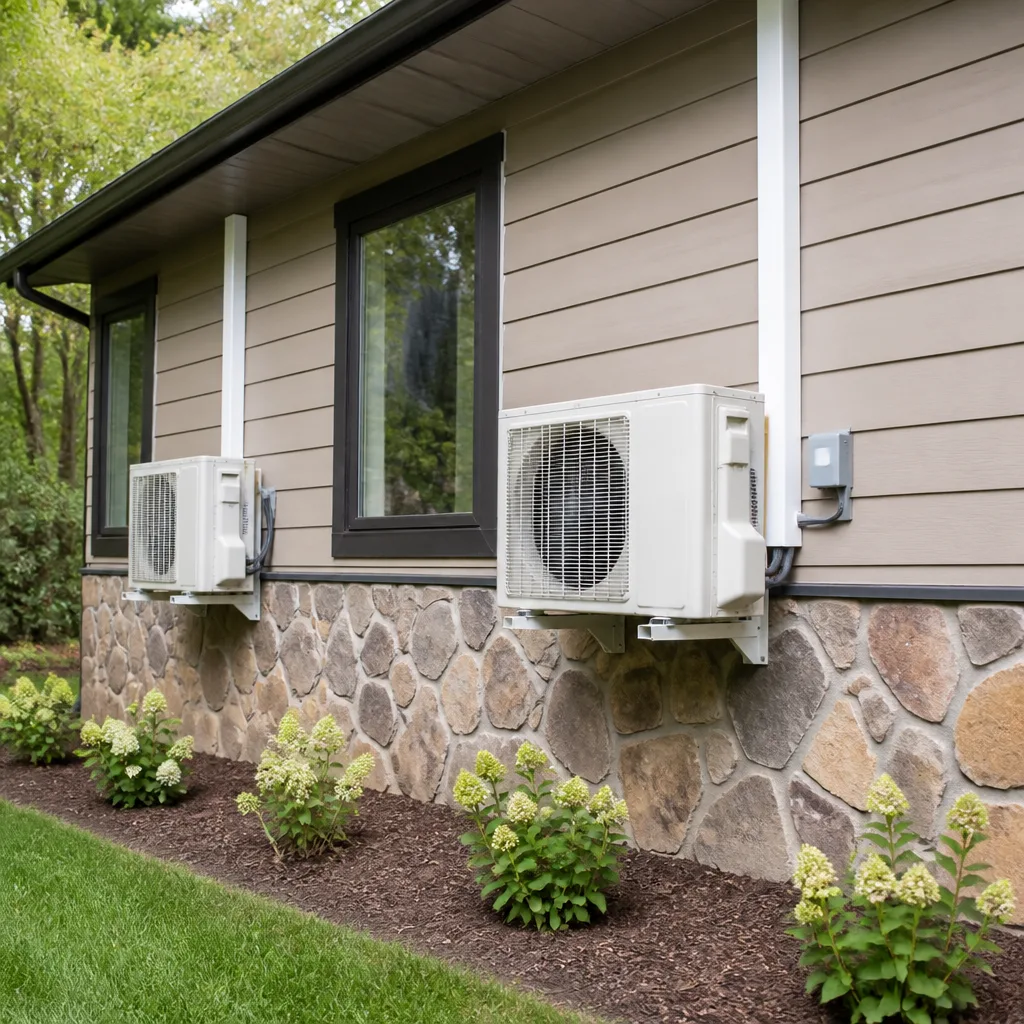 Ductless mini splits
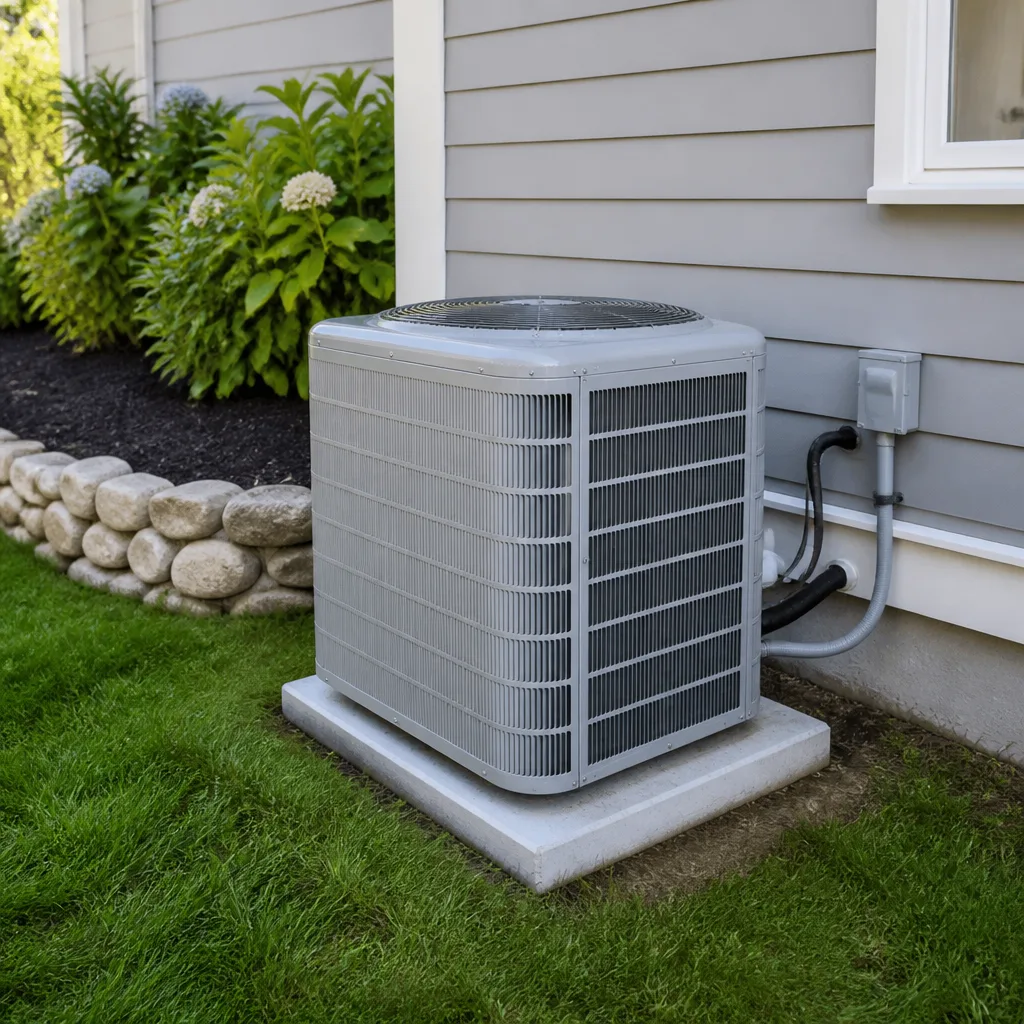 Carrier
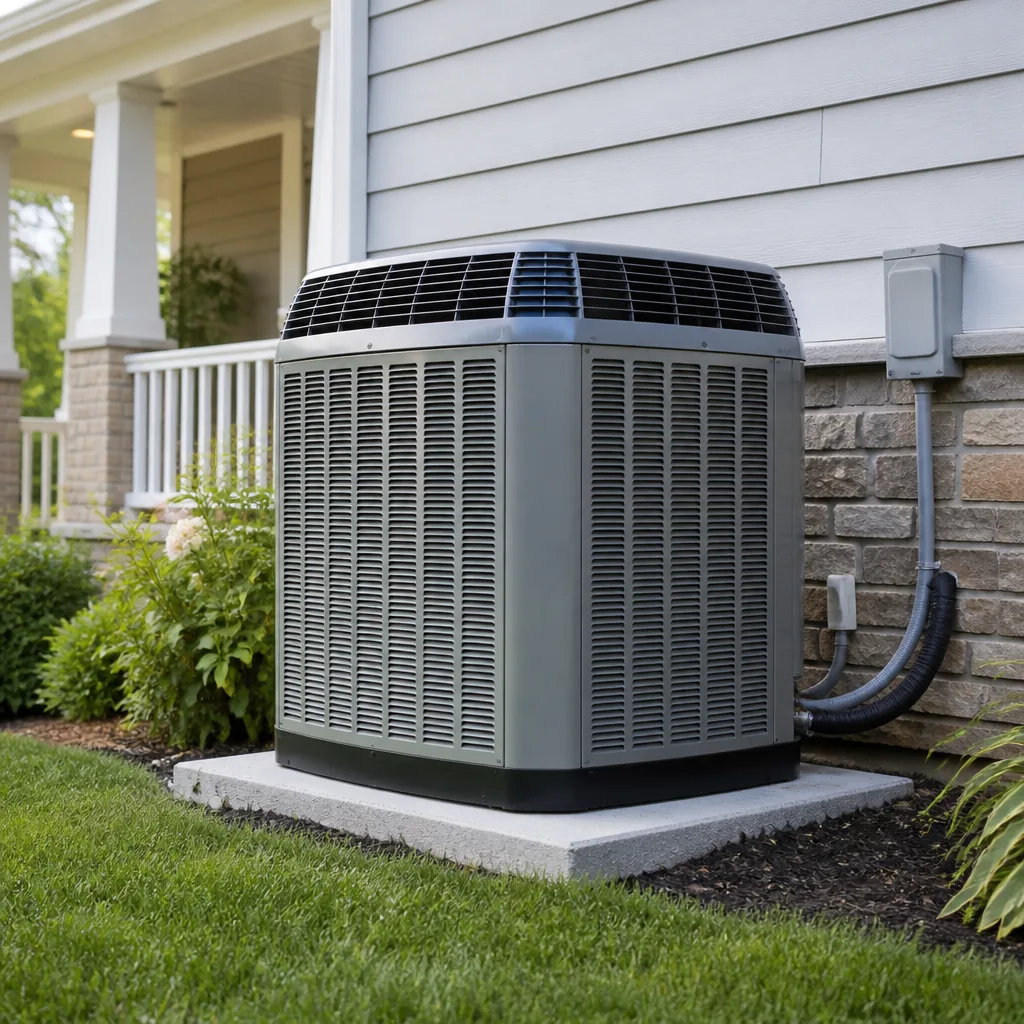 Trane
Trane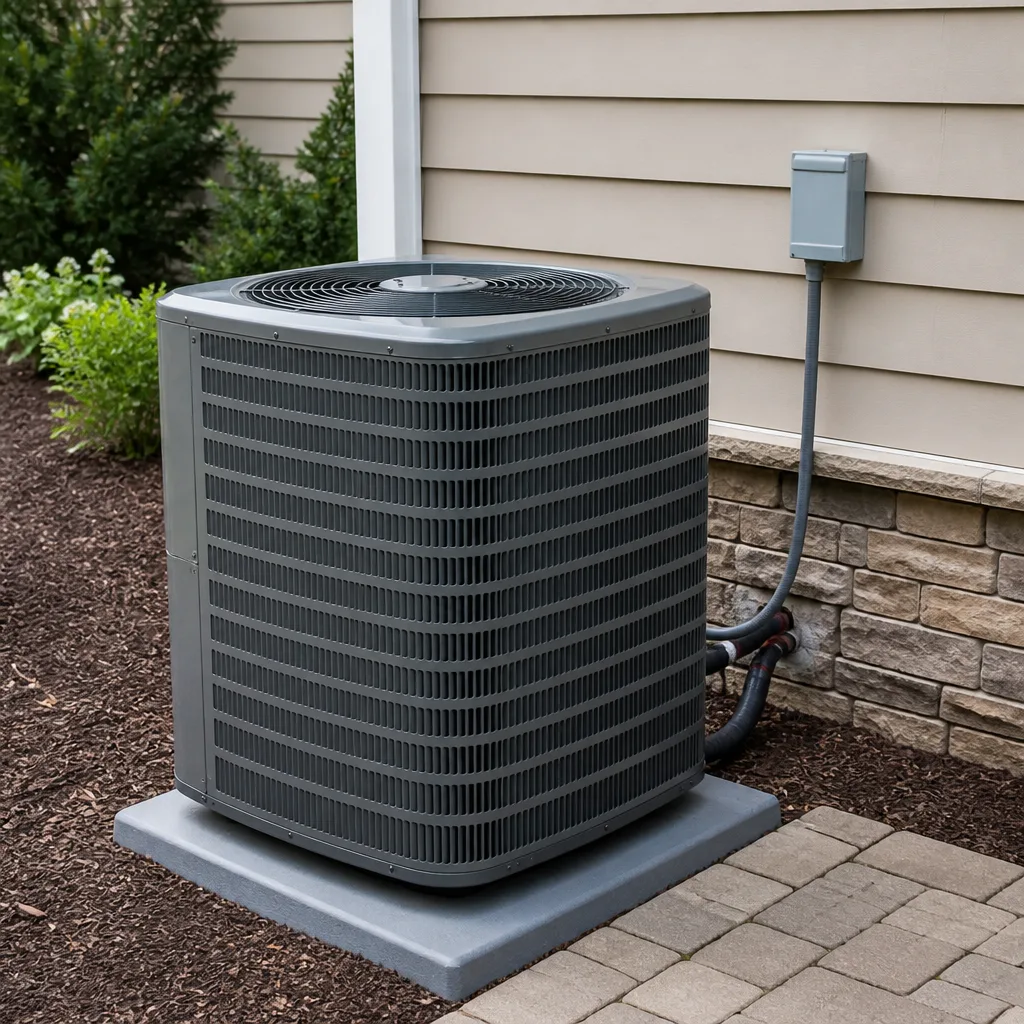 Goodman
Seasonal tune-up and full diagnostic on your Carrier, Trane, or Goodman system - readings shown to you before any repair is proposed
Diagnosis first, numbers second - you approve the repair price before a single part goes in.
Get your free estimateCarrier Capacitor Replacement: The Houston Owner’s Guide
A Carrier capacitor replacement in Houston typically runs $180 to $340 installed, parts and labor included, and we keep common Carrier-compatible capacitors on our trucks so most swaps happen the same day. The capacitor is the component that gives your compressor and fan motor the electrical jolt they need to start turning. In Houston’s heat, they fail faster than almost anywhere else in the country because they sit inside a hot condenser cabinet for hours every afternoon.
Most owners discover the problem on a July evening when the outside unit hums but the fan won’t spin, or the compressor clicks and gives up. Sometimes the system runs for ten minutes, then the breaker trips. The capacitor is usually the culprit, and it’s one of the most common Carrier repairs we make from May through September across Houston.
If your Carrier system won’t start or is short-cycling, call us at (832) 371-9862. We’ll give you a written price before any work begins, and the repair is covered by our 365-Day Done Right Promise.
Which Carrier Models This Applies To
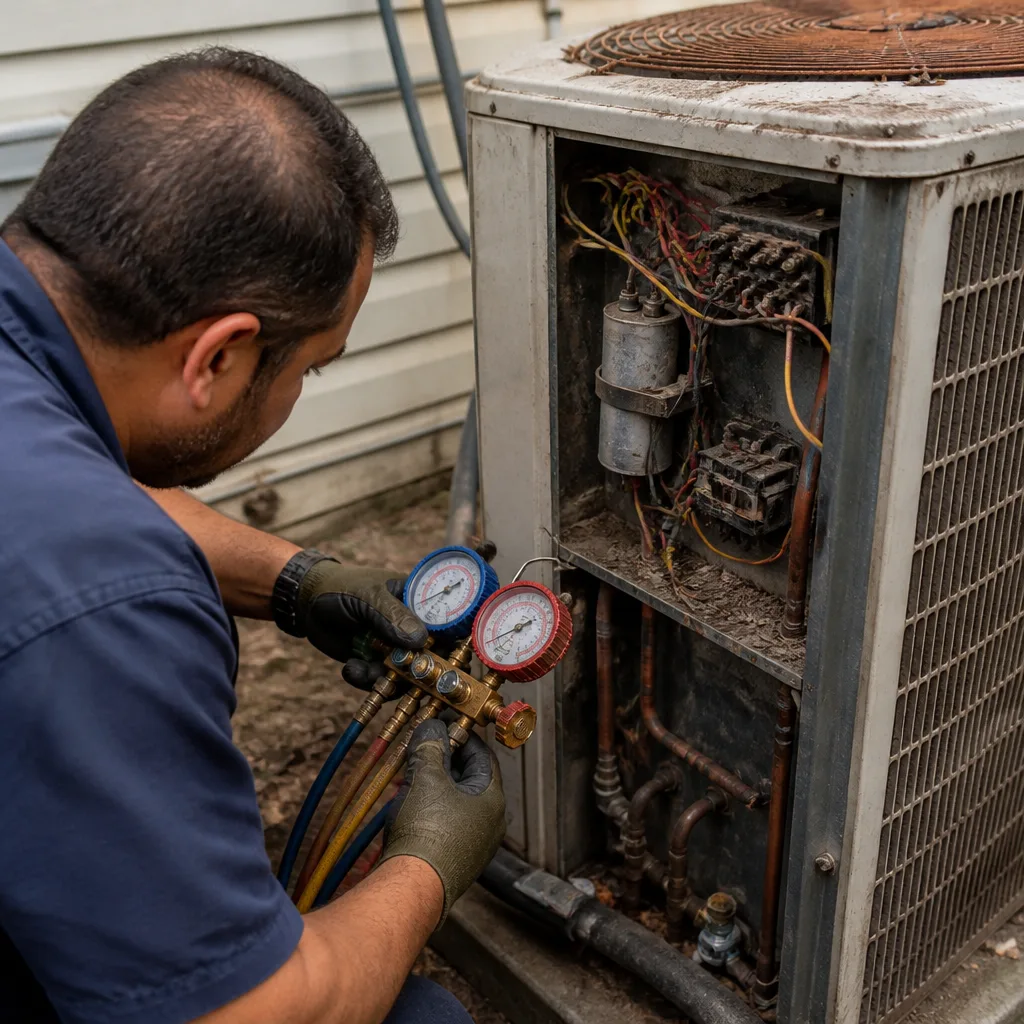
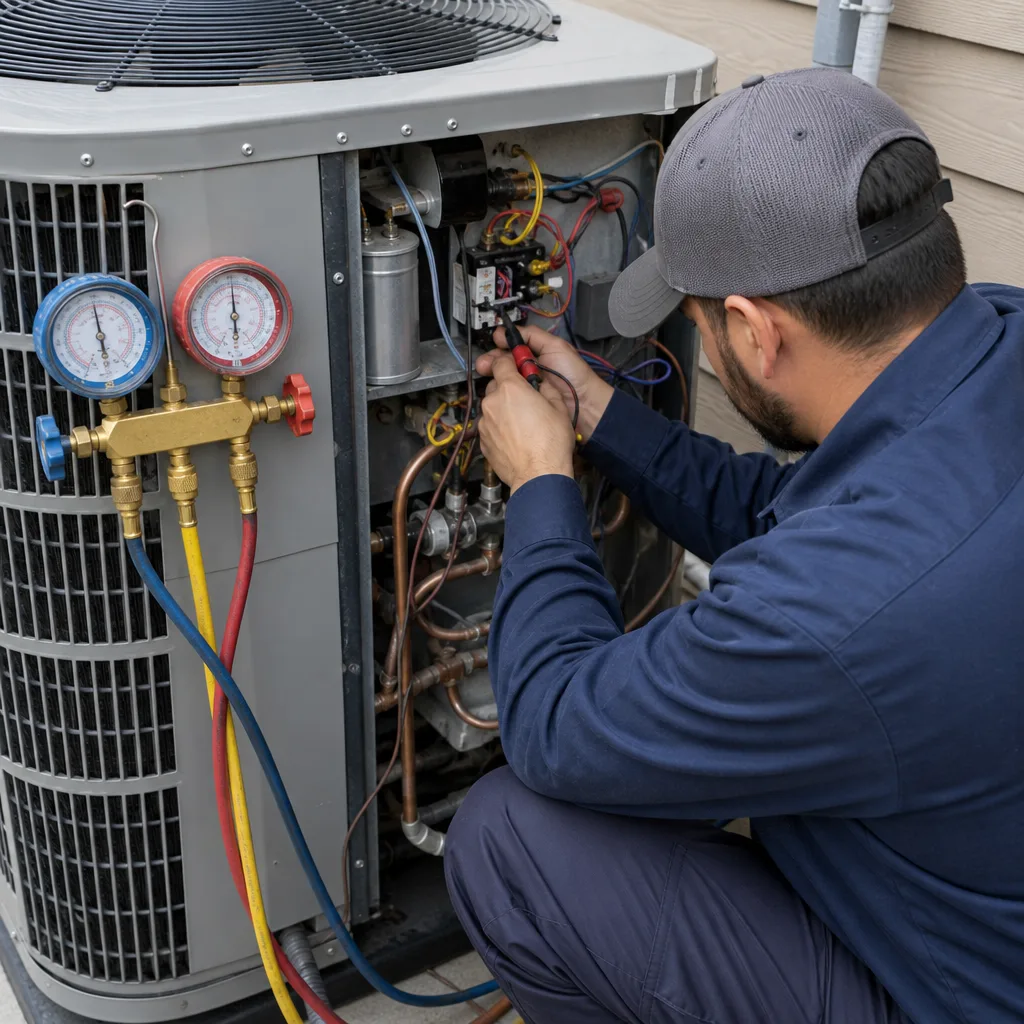
Carrier uses dual-run capacitors (one can that serves both the compressor and the fan) on most residential condensers built since the mid-1990s, including the Comfort, Performance, and Infinity series. That covers a huge swath of Houston homes, from older Carrier 38CK units to newer 24ACB and 24VNA models. The capacitor itself lives in the outdoor condensing unit behind a removable service panel.
Here’s the compatibility gotcha every Houston homeowner should know: Carrier specifies different microfarad (µf) ratings depending on the model year and tonnage. A 3-ton Comfort 13 takes a 35/5 µf capacitor, while a 4-ton Performance 16 might call for 45/5 µf. The rating is printed on the side of the existing capacitor, but sun-faded labels or an aftermarket part a previous tech installed can make that hard to read. Installing the wrong rating causes the compressor to draw too much or too little current, which shortens motor life and trips breakers.
We stock genuine Carrier OEM capacitors and quality aftermarket equivalents from Mars and AmRad. For a capacitor, aftermarket is often the smart choice: the specs are the same, the failure mode is identical, and it typically costs 20 to 30 percent less. OEM matters more on control boards and sensors than on capacitors. We’ll show you the failed part and explain exactly what we’re installing before we proceed.
One thing worth knowing: Cold Harbour Heating and Air Houston is an independent service provider, not affiliated with Carrier Corporation. That means we can install the right part for your system without being locked into a single manufacturer’s parts network.
Styles & brands we work with
Signs Your Carrier Capacitor Replacement Is Failing
- The outside unit hums but the fan doesn’t turn. The capacitor has lost enough of its charge capacity that it can’t get the fan motor spinning. In humid Houston afternoons, you’ll hear the compressor trying to start and failing, which is hard on the motor and wastes power.
- The compressor short-cycles. The system starts, runs a few minutes, then shuts off and tries again ten minutes later. A weak capacitor can’t hold the compressor in its run state, so the system keeps resetting until the breaker trips or the thermal overload protects the compressor.
- The breaker trips when the AC kicks on. A failing capacitor forces the compressor to draw higher starting current, which can push the circuit past its limit. If this happens more than once, turn the system off and call us; repeated trips stress the compressor windings.
- The capacitor casing is swollen or leaking. A bulge at the top seam or an oily residue around the base means the dielectric material inside has overheated and expanded. That’s a terminal condition. In Houston’s heat, capacitors that sit in full sun on a south-facing wall can fail this way after five to seven years rather than the eight to ten you’d get in a cooler climate.
- The AC starts when you spin the fan by hand with a stick, but never on its own. This is an old-school diagnostic that confirms the capacitor has no start capacity left. The motor is fine; it’s just not getting the electrical push it needs. Don’t do this with the power on unless you know exactly what you’re doing.
See the difference
 Before
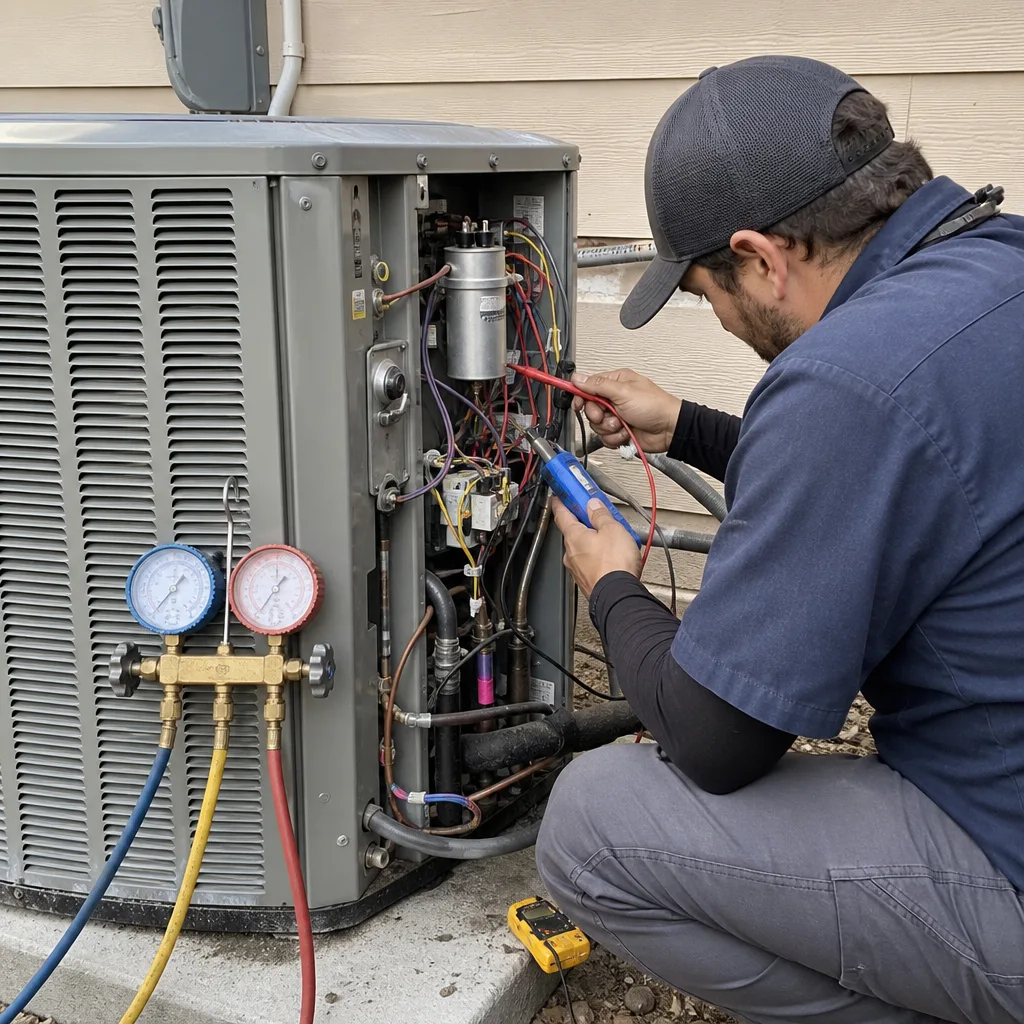 After
After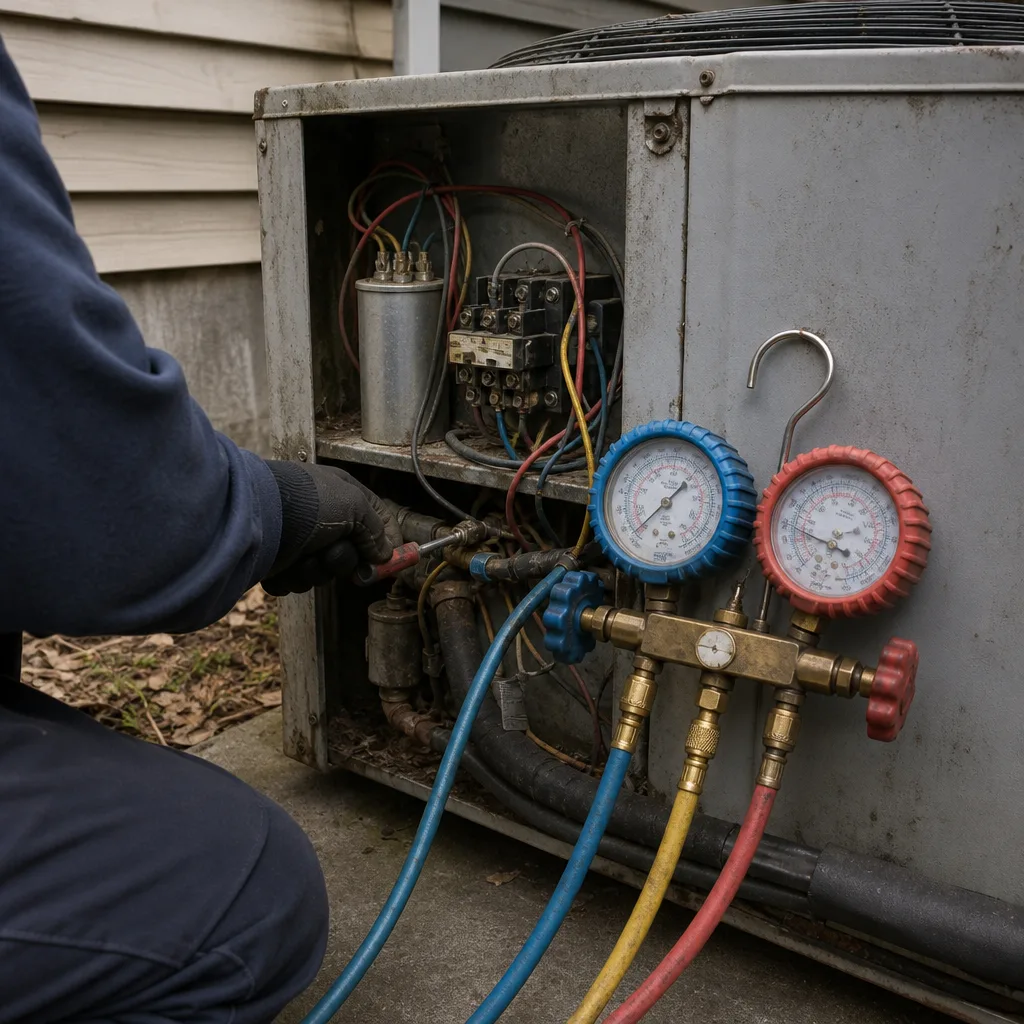 Before
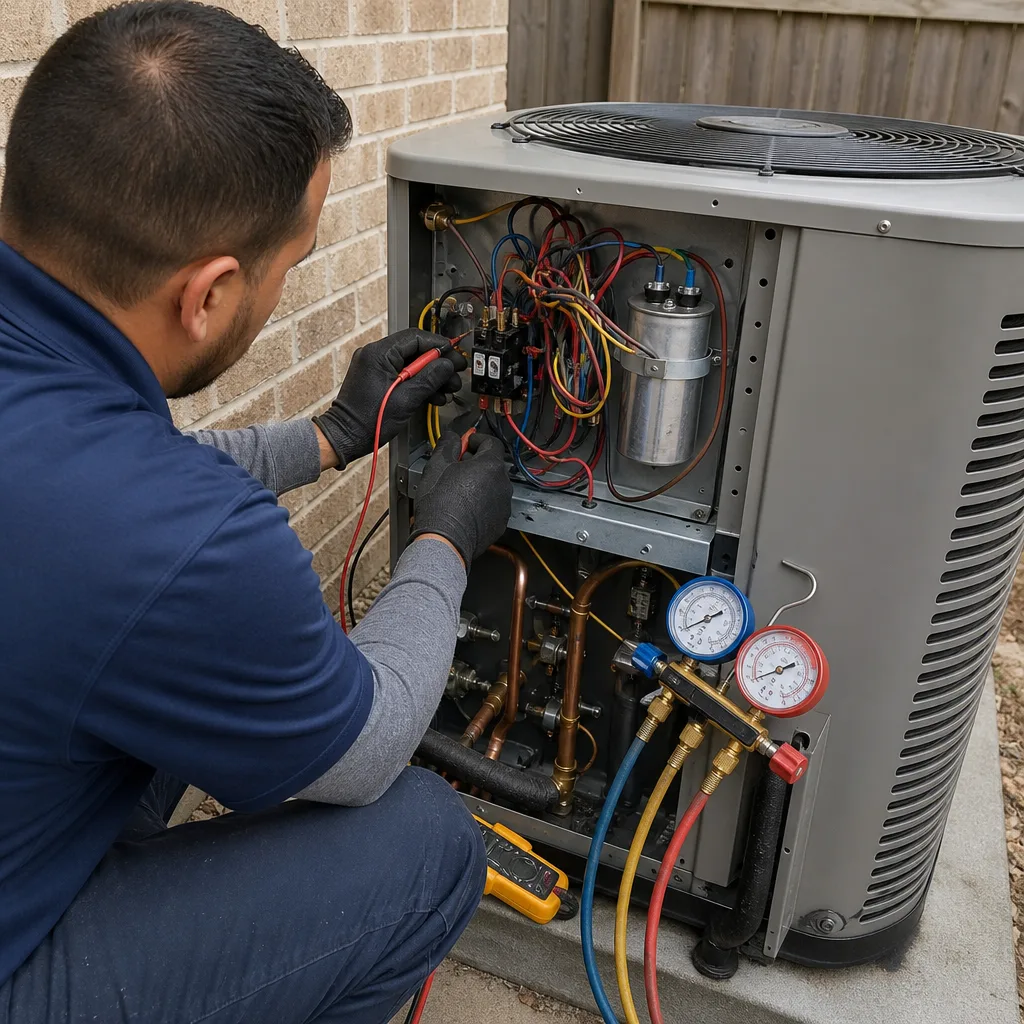 After
After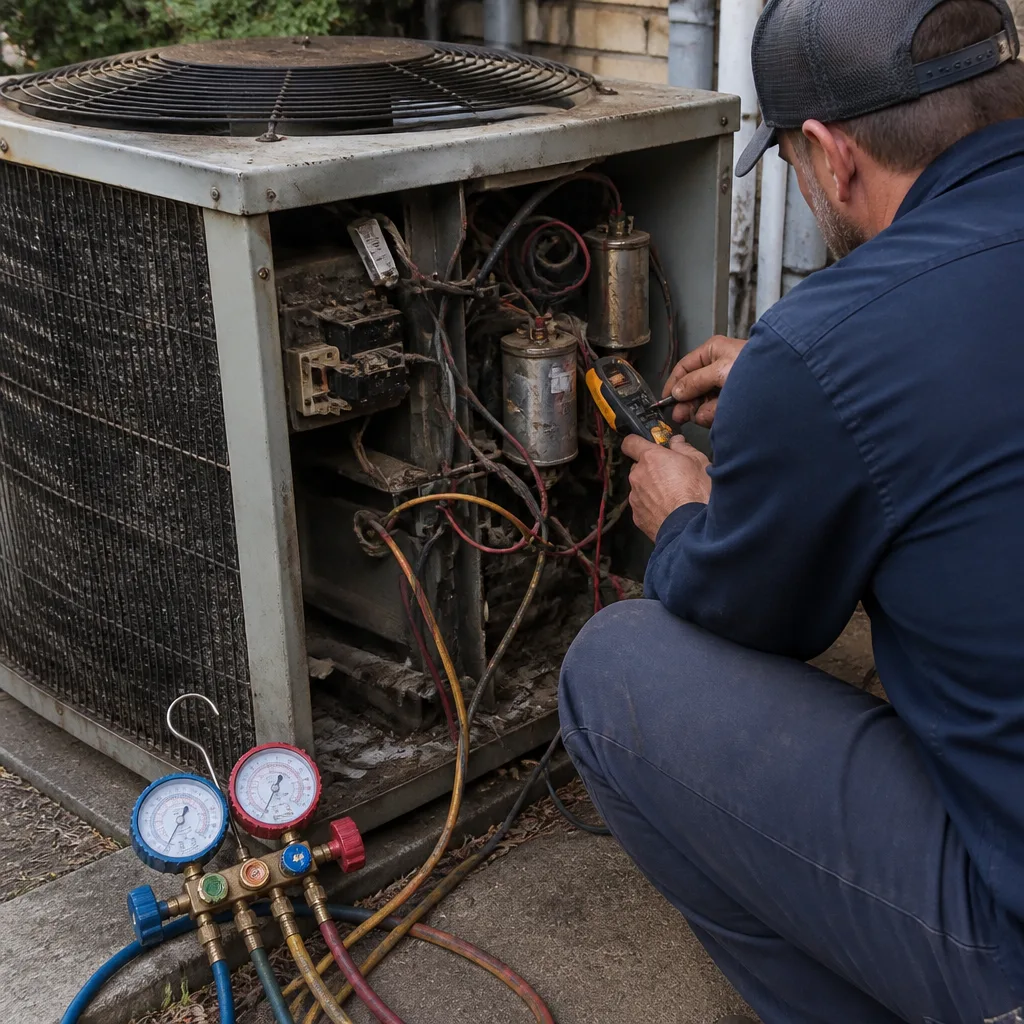 Before
 After
AfterReplacement Cost & What’s Included
Most Carrier capacitor replacements in Houston run $180 to $340 installed. The price includes the trip charge, the capacitor itself, labor to swap it, and testing the system afterward to confirm the compressor and fan are drawing within spec. What moves the price within that range is mostly the capacitor’s microfarad rating and whether we’re installing a single dual-run capacitor or two separate units.
Here’s the honest breakdown for a typical Houston swap:
| Item | Typical Cost |
|---|---|
| Capacitor (35/5 to 45/5 µf, OEM or quality aftermarket) | $25 – $75 |
| Labor and on-site diagnosis | $95 – $185 |
| Trip charge (waived when we do the repair) | $0 |
| System test after installation | Included |
Every replacement comes with a written price delivered before we touch the system, and the work is backed by our 365-Day Done Right Promise: if the repair fails within a year, we come back and correct it at no charge. No verbal promises. It’s on paper before we leave.
DIY or Call Us?
A capacitor holds a stored electrical charge even after the system is switched off. Touching the wrong terminal can deliver a serious shock. We recommend that homeowners not open the outdoor unit’s service panel or handle a capacitor themselves. The risk is real, and the part is inexpensive enough that the professional path costs less than an urgent-care visit.
What you can safely do is confirm the symptoms: hear the hum, check whether the fan turns freely, check whether the breaker has tripped. That tells us a lot before we even arrive. As Victor Mancini says, “Tell me what the system is doing, and I’ll tell you exactly what it needs.” Write down what you observe and when it started, then call (832) 371-9862. We’ll get a technician out with the right capacitor on the truck.
FAQs
Realistically, five to eight years in Houston’s climate. Heat and humidity are the two things that degrade capacitor internals fastest, and we see capacitors that sit in direct afternoon sun fail at the five-year mark regularly. A capacitor in a shaded north-facing unit might make it to eight or ten.
No. A capacitor is a sealed component; once the dielectric material inside breaks down or the casing swells, there is no repair path. Replacement is the only fix, and it’s one of the most straightforward and affordable AC repairs in Houston.
Most swaps take 45 minutes to an hour including diagnosis, replacement, and system testing. If we’ve confirmed the capacitor is the issue before arriving, it’s often closer to 30 minutes once the technician is on site.
Yes. We carry the most common Carrier-compatible dual-run capacitor ratings (35/5, 40/5, 45/5, 50/5 µf) on our trucks, plus stock for Trane and Lennox systems. If your system uses an uncommon rating, we source it same day from a Houston parts supplier. Call (832) 371-9862 for a free estimate.
Written by Victor Mancini, Owner & Lead HVAC Technician, Cold Harbour Heating and Air Houston, serving Houston and nearby areas.