
 AC repair
 Furnace & heating
 Heat pumps
 Ductless mini splits
 Carrier
 Trane
Trane Goodman
Seasonal tune-up and full diagnostic on your Carrier, Trane, or Goodman system - readings shown to you before any repair is proposed
Diagnosis first, numbers second - you approve the repair price before a single part goes in.
Get your free estimateDaikin Ductwork Repair: The Houston Owner’s Guide
Daikin ductwork repair in Houston typically runs between $150 and $650 depending on how much of the duct run has failed, and we stock Daikin-compatible replacement materials on our trucks for same-day work in most cases. You’ll usually find out your ductwork is failing the hard way: a bedroom that never cools, a musty smell when the blower kicks on, or a power bill that climbed $40 in a month with no change in how you run the system. Ductwork is the circulatory system of your Daikin setup, and when it leaks, tears, or separates, the conditioned air you paid to cool is bleeding into the attic instead of reaching your living room.
Most Houston homeowners don’t think about ductwork until it’s already cost them real money. In our climate, attic-installed flex duct takes a beating. Summer attic temperatures in places like Katy, Cypress, and The Woodlands regularly hit 140°F before noon, and that heat accelerates the breakdown of the foil-and-plastic outer jacket. Once that jacket splits, the fiberglass insulation inside gets wet from humidity, loses its R-value, and the duct starts sweating, dripping, and eventually leaking air through the core. We see it on Daikin systems every week, and the fix is usually more straightforward than people expect.
Here’s the short version of what you need to know:
- Typical installed cost: $150 – $650, depending on how many feet of duct are compromised and how hard they are to reach
- We stock Daikin-compatible duct materials on the truck: flex duct, mastic, foil tape, collars, and registers
- Same-day service is genuinely available: duct repair is one of the few jobs we can usually complete in a single visit
- Written price before we start: you’ll know the full figure before a single tool comes out
- 365-Day Done Right Promise: if the repair fails within a year, we return and fix it at no charge
Victor Mancini and our crew have serviced Daikin systems across Greater Houston for years, and the pattern with ductwork is consistent: homeowners wait until the damage is extensive because the symptoms are easy to dismiss. A slightly warmer room here, a faint attic smell there. By the time we’re called, the fix costs more than it would have six months earlier. That’s not a criticism, it’s just how duct failure works. It’s quiet until it isn’t.
Which Daikin Models This Applies To
Ductwork repair applies to every ducted Daikin system, regardless of the outdoor unit or air handler model. Whether you have a Daikin DX16SA, DX18TC, or a Fit system paired with a DM96VC furnace, the ductwork itself carries the conditioned air through the home, and the materials we repair are largely universal: R-6 or R-8 flex duct, rigid duct board, metal plenums, and take-off collars. The Daikin-specific consideration is sizing and static pressure. Daikin’s variable-speed air handlers and inverter-driven condensers don’t push air the same way a single-stage system does, and undersized or partially collapsed ductwork makes those systems work harder than intended, cutting into both efficiency and equipment lifespan.
What matters more than the Daikin model number is the duct configuration in your home. Flexible duct (commonly called flex or flex duct) is the round, insulated tubing you’ll see in most Houston attics. Sheet metal duct is less common in residential settings but shows up in older homes, particularly the mid-century ranches in Meyerland and Braeswood. Duct board, which is rigid fiberglass formed into rectangular runs, is common in slab-foundation homes where the ducting runs through the attic or a dropped hallway ceiling. Each material fails differently, and each has a different repair cost profile.
The key compatibility gotcha with Daikin ductwork is this: Houston code and Daikin’s installation guidance both call for R-8 insulated duct in unconditioned attics, not the cheaper R-6. Plenty of contractors install R-6 because it costs less, and those ducts sweat, sag, and fail years earlier than they should. If your system was installed in the last ten years and you’re seeing condensation on registers or water stains on ceilings, underspecified R-6 duct is often the culprit. We stock R-8 as standard for any Daikin duct repair we perform in attic spaces.
One more note on materials: for Daikin systems, we strongly prefer OEM-grade flex duct and proper mastic sealing rather than the tape-only patches you’ll find in a hardware store. Foil tape has its place, but in Houston humidity it dries out and peels within a couple of seasons. Mastic, applied correctly, flexes with the duct and keeps its seal for years. That’s the difference between a repair that holds and one that mummifies again by next spring.
Styles & brands we work with
Signs Your Daikin Ductwork Repair Is Failing
- Rooms that never reach the set temperature. If your Daikin thermostat reads 74 but the back bedroom sits at 80, you may be losing a significant share of your conditioned air through a disconnected or torn duct run before it ever reaches that register. We often find the duct to those far rooms has pulled free of the register boot entirely.
- Higher energy bills with no change in usage. A duckwork system that’s leaking 20 – 30% of its air into the attic forces your Daikin condenser and air handler to run longer cycles to compensate. In Houston summers, that translates to a bill that creeps up $30 – $50 a month while you’re doing nothing differently.
- Musty or “attic” smell from the vents. When ductwork leaks on the return side, it pulls hot, humid attic air into the system instead of conditioned air from the house. That air carries fiberglass dust, insulation particles, and whatever else lives in your attic into the air you breathe.
- Sweating or dripping registers. Condensation on the vent cover itself, or water stains on the ceiling around it, signals that the duct behind that register has lost its insulation integrity. The cold air inside is meeting warm humid air outside, and that temperature difference produces water, just like a cold glass on a Houston front porch in August.
- The system runs constantly but the house never gets comfortable. When the blower is pushing air but a portion of it never arrives at the registers, your Daikin system works harder to compensate. Longer runtimes, more wear on the blower motor, more electricity consumed, and still a house that feels humid and warm.
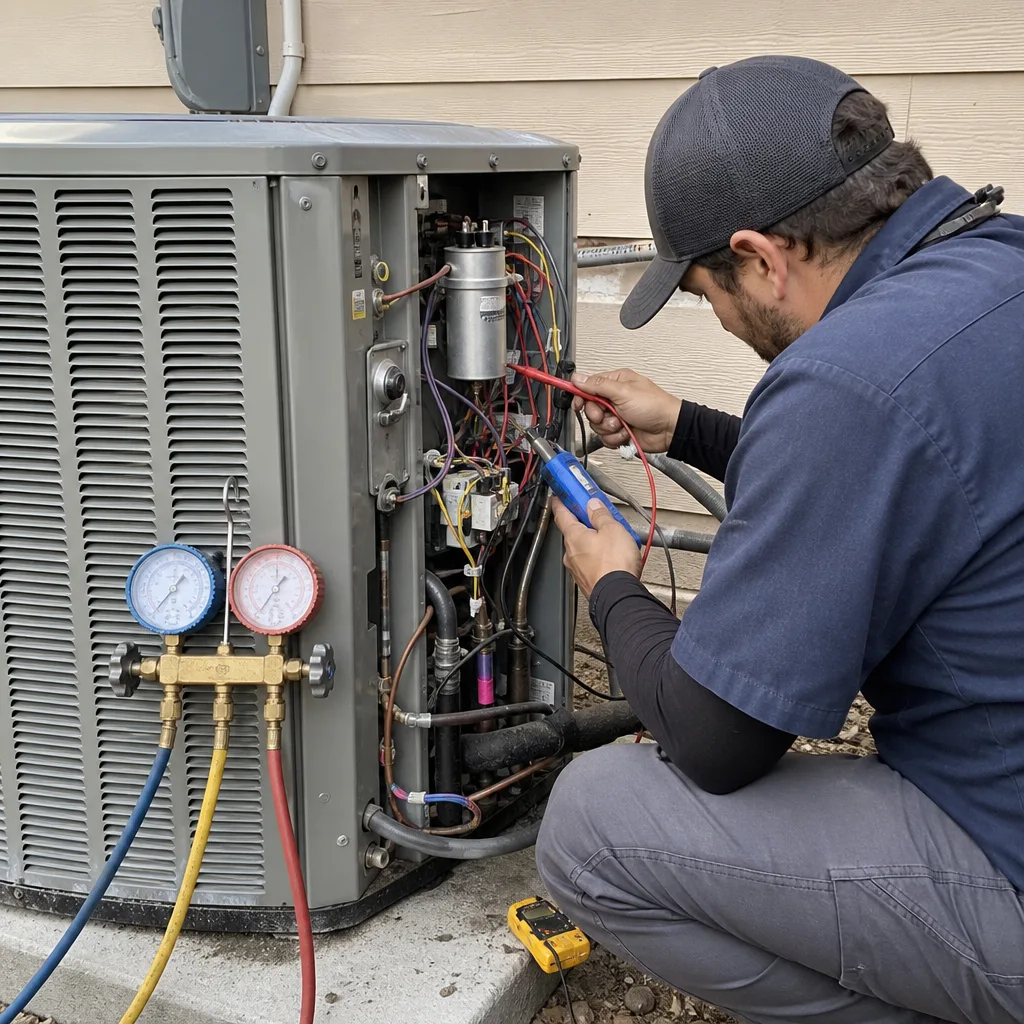
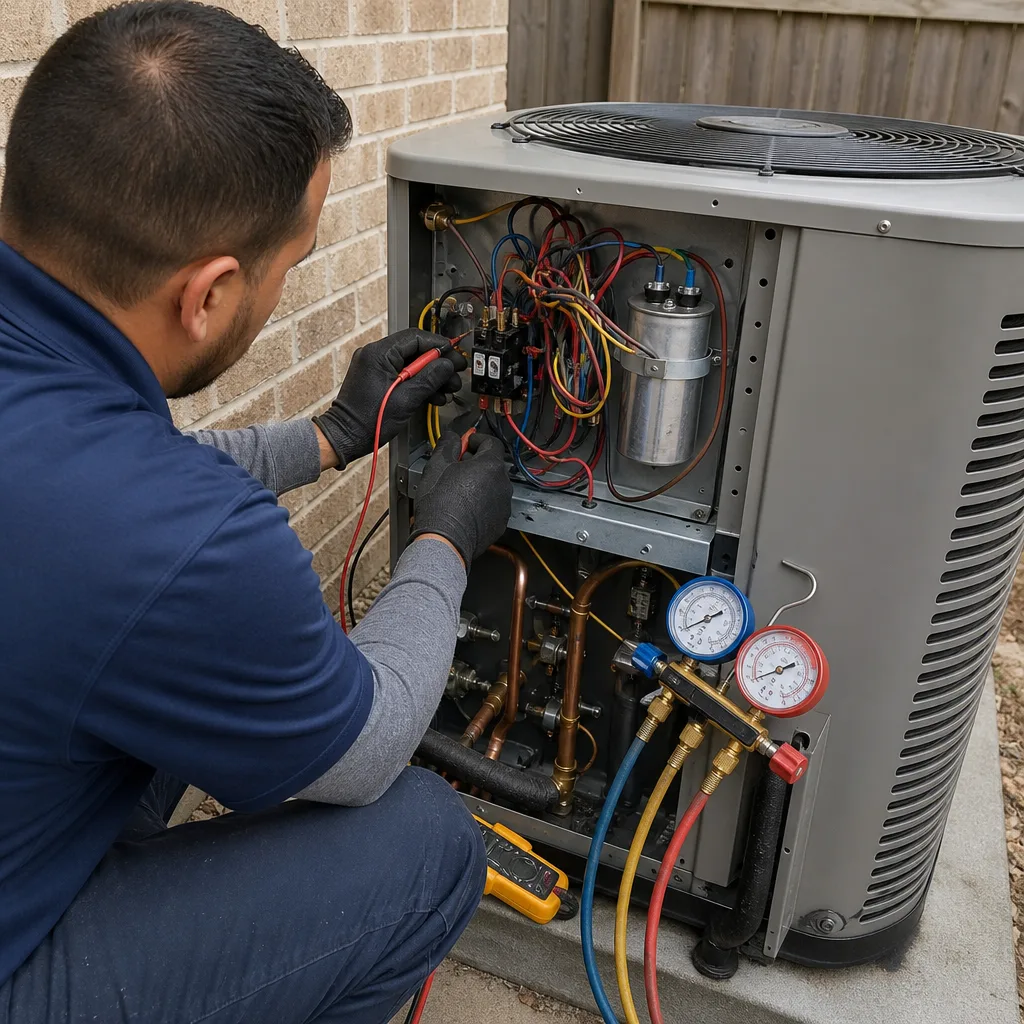
See the difference
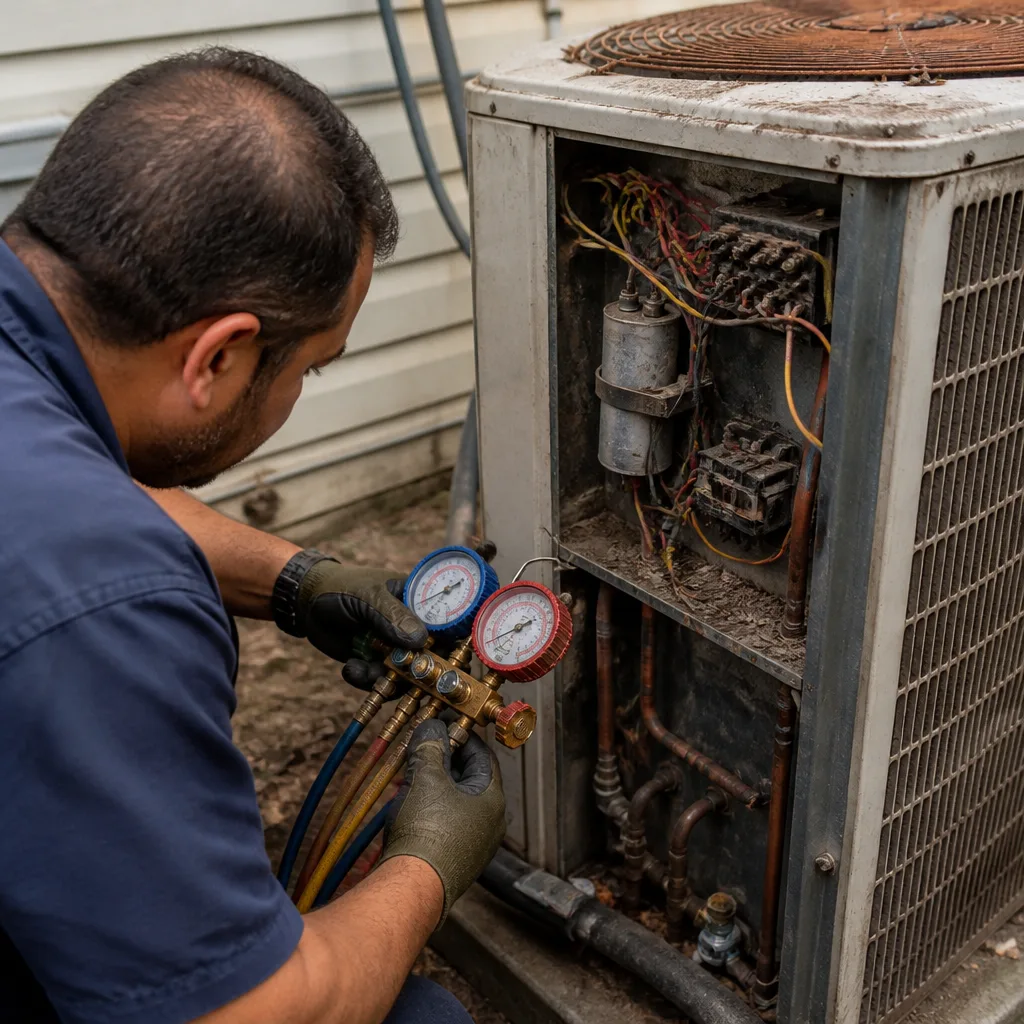 Before
 After
After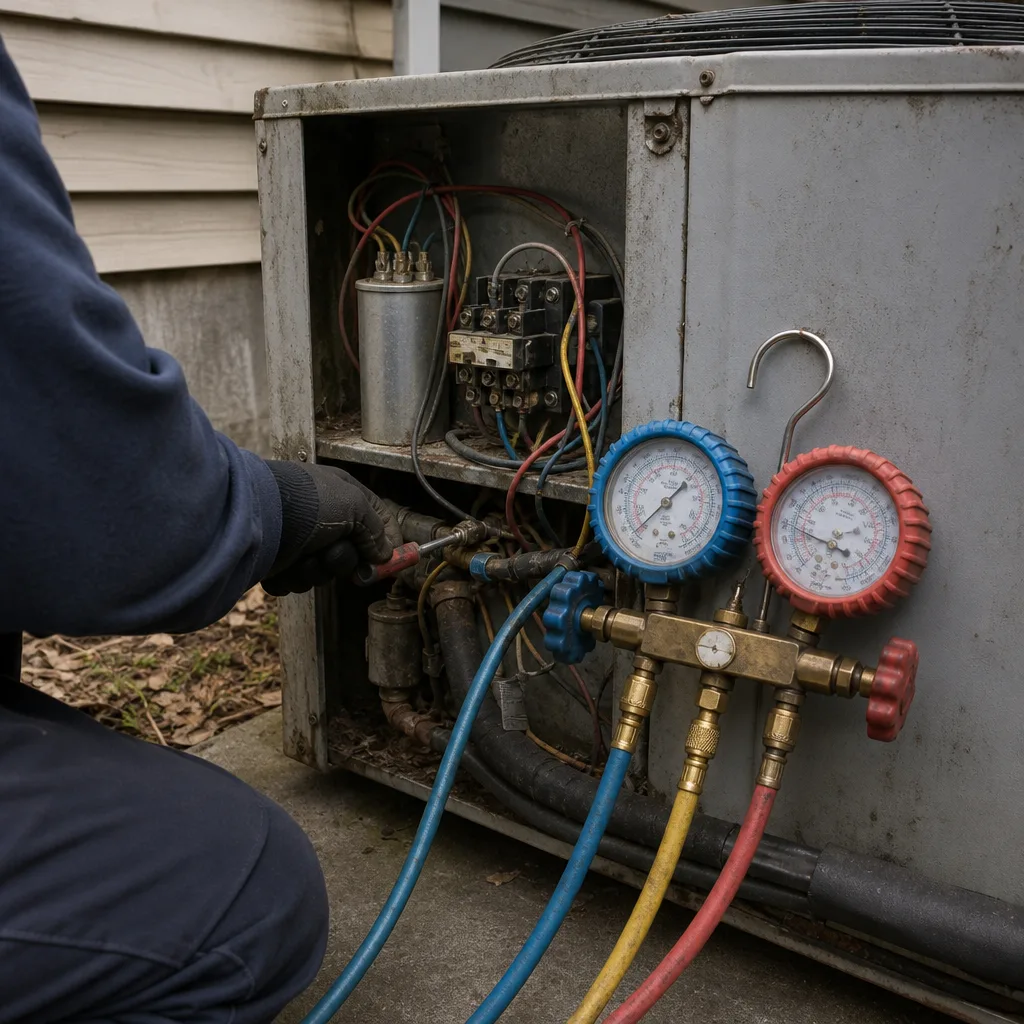 Before
 After
After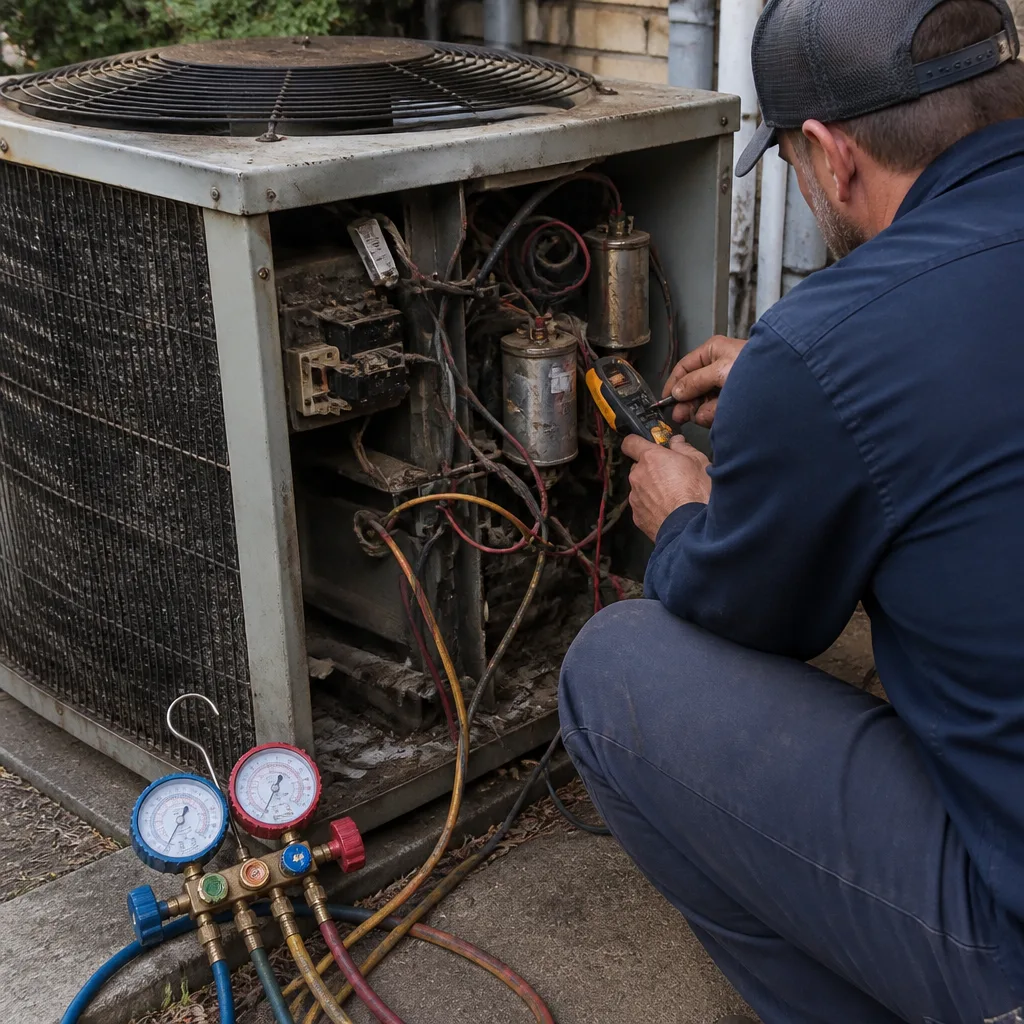 Before
 After
AfterReplacement Cost & What’s Included
In Houston, Daikin ductwork repair pricing breaks down this way: a simple collar re-attachment or a single register boot fix runs $150 – $250. Replacing a failed section of flex duct, up to about 10 feet, usually lands between $250 and $450 including new R-8 duct, mastic sealing, and labor. A larger repair involving multiple duct runs, a damaged plenum, or hard-to-reach attic sections typically runs $450 – $650. If the entire duct system needs replacing, which happens in homes where the original ductwork is 20-plus years old, that’s a different scope entirely and we’ll scope it as a duct replacement, not a repair.
Every quote we provide covers parts, labor, and the written 365-Day Done Right Promise. That means the price you see on the sheet before we start is the price you pay when we’re done. No attic-access upcharges, no “we found more than we expected” surprise at the door. If the repair fails within 365 days, we return and make it right at no charge, and that guarantee is on paper before the technician leaves your home.
The price range depends on three things: how many feet of duct are damaged, whether the damage is in the return or supply side, and how accessible the damaged section is. Attic work in a single-story ranch is faster than work in a two-story home where the ductwork runs through a tight chase. Whatever the situation, you’ll know the full figure in writing, and you’ll know it before we touch anything.
DIY or Call Us?
You can safely check a few things yourself. Turn the system on and walk the house. Put your hand near each register and feel for weak airflow. Look at the register covers for condensation or discoloration. If you have attic access and feel confident on the ladder, you can visually inspect the exposed ductwork for obvious separations, crushed sections, or torn outer jackets. Those observations help you describe the problem when you call, which gets you a more accurate picture over the phone.
What you should not attempt yourself is the actual repair. Working in a Houston attic in the summer isn’t just uncomfortable, it’s dangerous. Attic temperatures routinely exceed 140°F, and heat exhaustion comes on faster than people expect. There’s also the matter of doing the job correctly: mastic needs to be applied to a clean, dry surface to bond, ducts need to be supported properly to prevent future sagging, and the whole system should be checked for airflow balance after the repair. A patched duct that leaks 30% of its air is not a repair, it’s a placeholder. If you want the job done once and done right, call us at (832) 371-9862 and we’ll handle the attic heat so you don’t have to.
FAQs
Flex duct in a Houston attic typically lasts 15 – 20 years before it needs replacement, though R-6 duct installed in unconditioned attics often fails in 10 – 12 years due to heat and humidity degradation. Rigid duct board and sheet metal can last 25 – 30 years or longer if properly sealed and insulated, but they’re not immune to air leaks at seams and take-off points. If your home is older and the ductwork has never been touched, assume it’s near or past its service life. Call (832) 371-9862 and we’ll inspect what you have before recommending anything.
Small tears, separated collars, crushed flex sections, and leaking boots can usually be repaired, not replaced, for $150 – $450. Full replacement is only necessary when the ductwork is extensively damaged, the insulation jacket has failed in multiple places, or the original installation was undersized for the home. We’ll show you the damage before we quote the work, and Victor won’t recommend replacement unless he can point to the reason. For a straight answer on your specific system, call (832) 371-9862.
Most Daikin ductwork repairs take 2 – 4 hours on site, and we can usually complete the job in a single visit. The exact time depends on attic access, how many sections need attention, and whether the damage is in a single trunk line or spread across multiple branch runs. You’ll get a firm arrival window when you book, not a four-hour range.
Yes, our service trucks carry R-8 flex duct, mastic, foil tape, collars, register boots, and other common ductwork repair materials, so we can complete most Daikin duct repairs in one trip. We also service and stock parts for Carrier, Trane, and Lennox systems. If your repair needs a specialty item, we’ll tell you upfront before any work begins.
If your Daikin system isn’t cooling rooms evenly, the bill keeps climbing, or the vents smell like a hot attic, call (832) 371-9862. We’ll listen to what the system is doing, schedule a visit in the window we promise, and hand you a written price before any work starts. Tell me what the system is doing – and I’ll tell you exactly what it needs.
Written by Victor Mancini, Owner & Lead HVAC Technician, Cold Harbour Heating and Air Houston at Cold Harbour Heating and Air Houston, serving Houston and nearby areas.